
Termite Control in India: Treatment Cost, Methods & Best Solutions for Indian Homes
1/30/20268 min read
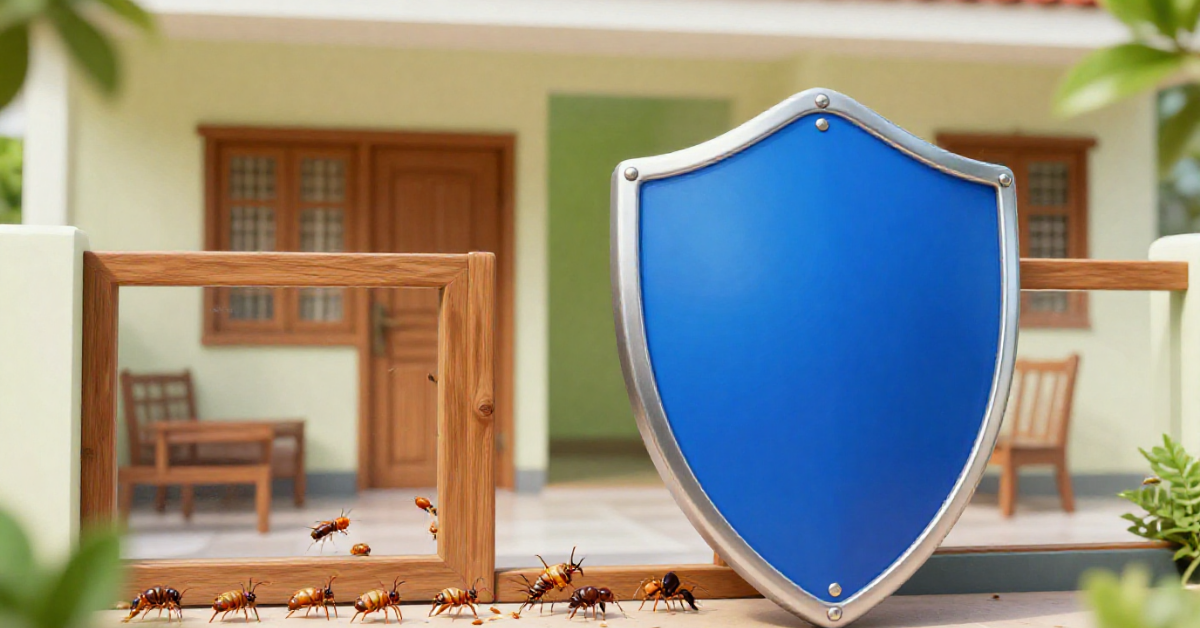
The Termite Threat in India
In India, the prevalence of termite infestations poses a significant concern for homeowners, as these pests are notorious for causing extensive structural damage. Among the various types, Subterranean, Drywood, and Dampwood termites are the most commonly encountered species, each exhibiting unique behaviors that contribute to their destructive nature.
Subterranean termites, which thrive underground, are particularly hazardous due to their tunneling habits. They create extensive networks in the soil, feeding on cellulose found in wood, paper, and other organic materials. Their ability to remain hidden until a significant infestation has developed makes them a formidable threat to any structure. The high humidity and warm climate in many regions of India create an ideal environment for these termites to thrive, leading to rapid population growth.
On the other hand, Drywood termites infest the wood within structures, often causing damage without any visible signs initially. They are able to survive on the moisture present within the wood itself, which makes them difficult to detect. Their presence can lead to severe structural issues, as they weaken the integrity of the wood over time. Indian homeowners must be particularly vigilant with wooden furniture and beams, as these tend to be prime targets for Drywood termites.
Dampwood termites, while less common, are also present in India and prefer decaying or moist wood. They are typically found in areas with high humidity, such as coastal regions. Their need for moisture makes them less of a widespread threat compared to their subterranean counterparts; however, any wooden structures exhibiting signs of water damage could attract these pests.
Understanding the various types of termites and their behaviors is crucial for Indian homeowners. Awareness of the damage they can inflict encourages proactive measures, including regular inspections and timely treatments, to safeguard homes from these destructive pests.
Signs of Termite Infestation
Termites can invade homes silently, often leaving subtle signs of their presence that homeowners may overlook. Recognizing the signs of termite infestation is crucial for early intervention and mitigation of potential damage. One of the most apparent indicators of termites is the presence of mud tubes. These tubes, usually built from soil, wood, and termite saliva, serve as protective tunnels for these pests to travel between their nesting sites and food sources while avoiding predators. Checking for these tubes, particularly near foundations and wooden structures, is a vital step in identifying an infestation.
Another visual clue is the presence of discarded wings. Swarming termites, commonly known as alates, shed their wings once they find a suitable nesting location. Homeowners might notice these wings around windows, doors, or light sources during the spring months when termite swarming is most prevalent. Additionally, inspecting for any visible damage to wooden structures is essential. Termites consume wood from within, often leaving behind hollow-sounding surfaces or areas that appear to have been lightly sanded.
Subtle signs of infestation should not be ignored. A sudden increase in humidity in certain areas of the home might indicate high moisture levels, which can attract termites. Furthermore, if wood sounds hollow when tapped, it may signal that termites are at work inside. Homeowners are advised to regularly check for these signs, particularly in areas where wood meets soil or in moisture-prone regions. Recognizing the initial signs of termite activity can significantly reduce the risk of extensive damage, ensuring timely treatment and protection of the home.
Pre-Construction Anti-Termite Measures
Termite infestations pose a significant risk to homes across India, particularly in areas with high humidity and soil conducive to these pests. To mitigate this risk, implementing effective anti-termite measures during the construction phase is crucial. These preventive strategies can entail soil treatment, installation of physical barriers, and the use of termite-resistant materials.
Soil treatment is one of the first lines of defense against termites. Prior to laying the foundation, treating the soil with appropriate termiticides can create a protective barrier that deters termites from entering the structure. Property builders and homeowners should consider consulting with pest control experts to select effective chemicals suitable for their geographical area. It is important to ensure that soil treatment complies with local regulations and environmental guidelines.
In addition to chemical treatments, installing physical barriers during construction can provide an added layer of protection. This may include the use of stainless steel mesh, concrete barriers, or specially designed polyethylene sheeting, which helps prevent termite access. These barriers act as a physical obstruction, thereby significantly reducing the likelihood of an infestation.
Moreover, using termite-resistant materials is paramount. Selecting wood that has been chemically treated or using alternative materials such as steel or concrete for structural components can greatly reduce the risk of termite damage. Local building codes may offer guidance on the types of materials deemed appropriate for construction in termite-prone areas. Awareness of the various solutions available is essential for homeowners seeking to protect their investment.
Ultimately, taking proactive measures during the construction of a home can significantly diminish vulnerability to termite infestations. By utilizing effective soil treatments, implementing physical barriers, and opting for termite-resistant materials, homeowners can establish a durable foundation against these relentless pests.
Post-Construction Termite Treatment Options
Termite infestations pose a significant threat to the structural integrity of homes, particularly in a country like India where conditions often favor these pests. Once a house is constructed, effective post-construction treatment options are essential for protecting it from these destructive insects. Homeowners can choose from various methods, with chemical barriers and bait systems being among the most common.
Chemical barriers involve the application of liquid insecticides around the foundation of the house. These treatments create a protective zone that deters termites from entering. Typically, these insecticides are applied to the soil before the slab is laid and can also be applied afterward to ensure comprehensive coverage. The longevity of chemical barriers can vary based on factors such as soil type and moisture levels, often lasting five to ten years. Homeowners must ensure proper reapplication during this period to maintain protection.
Bait systems represent another effective approach for managing termite populations. These systems consist of bait stations strategically placed around the property, which contain slow-acting insecticides. When termites consume the bait, they carry it back to their colony, ultimately leading to the elimination of the infestation at its source. Bait systems can be monitored continuously, allowing for specific adjustments based on observed activity. They are especially useful in areas with a known history of termite problems.
Both the chemical barrier and baiting methods have proven to be effective in combating post-construction termite issues. However, it is essential for homeowners to understand that no solution is completely foolproof. Regular inspections and preventive measures complement these treatment options and are vital for ensuring long-term protection against termites. Choosing the right post-construction termite treatment depends on individual circumstances, including the severity of infestations and environmental factors.
Soil Treatment Methods in India
Termites are a common menace for homeowners in India, and effective preventive measures are crucial in protecting homes from these pests. One of the most effective strategies involves soil treatment methods that can be employed around a property to create a barrier against termites. Various techniques exist, each with its own benefits and considerations.
The first method is the use of chemical soil barriers. This technique entails applying a specific termiticide to the soil surrounding a home before construction or during a treatment program for existing structures. The chemicals create a treated zone that prevents termites from accessing the foundation of the house. It is essential to select a termiticide that is suitable for the regional soil type and tests have shown effective results for long-lasting protection.
Another method is drilling and injecting, which is commonly utilized for established structures. This method involves drilling small holes into the concrete or structure and injecting termiticide into the soil underneath, forming a protective barrier. This is particularly effective for properties that may not have been treated previously, allowing for targeted soil treatment without significant disruption.
In recent years, there has been an increasing demand for eco-friendly alternatives such as bait systems and natural additives. Bait systems often contain substances that either attract termites or disrupt their reproductive cycle without relying on harsh chemicals. Natural additives include substances like neem oil or orange oil, which are believed to prevent termite infestation in a more environmentally friendly manner.
When choosing the right soil treatment method, homeowners should consider several factors including the severity of the infestation, budget constraints, and personal preferences towards chemical use. Consulting with pest control professionals can provide insight into which method best suits individual home conditions and long-term preventive goals.
Understanding Termite Treatment Costs in India
Termite infestations can pose significant threats to residential structures, leading homeowners to seek professional pest control services. Understanding the costs associated with termite treatment in India is essential for effective pest management and home protection. Treatment costs can vary significantly based on several factors, including the type of treatment employed, the extent of the infestation, and the size of the property.
In India, there are generally two types of termite treatments: pre-construction and post-construction services. Pre-construction treatments are often part of a larger construction plan, offering termite prevention measures during the building phase. These services may involve chemical soil barriers, which can range from INR 15 to 30 per square foot, depending on the chemical used and the specific methodology applied. Post-construction treatments, on the other hand, address existing infestations and can vary between localized treatment, which usually costs around INR 2,000 to 5,000 for small areas, and whole-house fumigation, which may range from INR 20,000 to 60,000 or more.
Several factors influence the price of termite treatment services in India. The primary factors include the level of infestation, the type of termite present, and the treatment method used. Additionally, regional variations in costs may occur, as urban areas generally have higher prices compared to rural locales. Furthermore, the reputation and experience of the pest control company can also affect the cost; trusted brands may command premium rates due to their established track records.
For homeowners contemplating termite treatment, obtaining multiple quotes from professional pest control services is advisable. This approach allows for a better understanding of market standards and helps in assessing the competitiveness of the quotes. Many companies offer free inspections, enabling potential customers to receive an accurate estimate based on their particular situation. Comparing these estimates can ensure informed decision-making and effective management of termite problems.
Practical Tips and FAQs on Termite Control
Termite infestations can pose a significant threat to the structural integrity of Indian homes. Therefore, homeowners must implement effective strategies for preventing these pests. Here are some practical tips to ensure your home remains termite-free.
Start by keeping wood products, such as firewood and lumber, stored away from your home’s foundation. This helps reduce the chances of termites finding their way into your living space. Additionally, ensure that there is no direct contact between soil and wooden structures like decks or porch posts, as termites thrive in moist environments.
Regular home maintenance also plays a crucial role in termite prevention. Inspecting and repairing any leaks in plumbing, roofs, and windows will not only minimize moisture but also make your home less attractive to termites. Furthermore, it is worthwhile to check for signs of infestation, such as mud tubes along walls, discarded wings, or hollow-sounding wood.
For homeowners who wish to engage in DIY prevention measures, the use of borate treatments can be effective. Applying borate-based solutions on wood surfaces helps inhibit termite colonization. Alternatively, baiting systems can be set up around your property to monitor and combat any termite activity.
In instances where you suspect a significant infestation, seeking the assistance of local pest control services is advisable. Professionals can conduct thorough inspections and provide tailored treatments using advanced methodologies. Frequently asked questions regarding termite control often include inquiries about costs, duration of treatment, and signs of recurring infestations. Most reputable services offer warranties that cover follow-up treatments if required.
In conclusion, remaining vigilant and proactive in implementing preventive measures will significantly contribute to safeguarding your home against termite infestations. Understanding the common signs of termites and leveraging professional pest control services when necessary will ensure your living environment stays secure and robust.
Address:
264/5, Kamal Soroni Road, Mirpur, Dhaka-1216
Contact
Your Quaries on pest control askings
pestexterminatorbd@gmail.com
+8801642008383 +8801988300003, 01723057746
© 2025. All rights reserved. to Urban Pest Control Pvt. Ltd. this site is powered by Our Own IT Team