
Termite Control Service in Dhaka – Protect Your Home & Furniture
2/8/20267 min read
Understanding Termite Infestation: The Basics
Termites are small, social insects that play a fundamental role in our ecosystem by breaking down tough plant fibers. However, they are also known for their destructive capabilities, particularly when they invade human dwellings. In Dhaka, there are several types of termites commonly found, including subterranean, drywood, and dampwood termites. Each species exhibits distinct behavior and habitat preferences, making them a diverse threat to homeowners.
Subterranean termites are the most prevalent in urban environments like Dhaka. These termites live in colonies underground and can travel through soil to access wood. Drywood termites, on the other hand, infest dry, sound wood above ground and do not require contact with the soil, while dampwood termites prefer decayed or moist wood, which can often be found in improperly maintained structures.
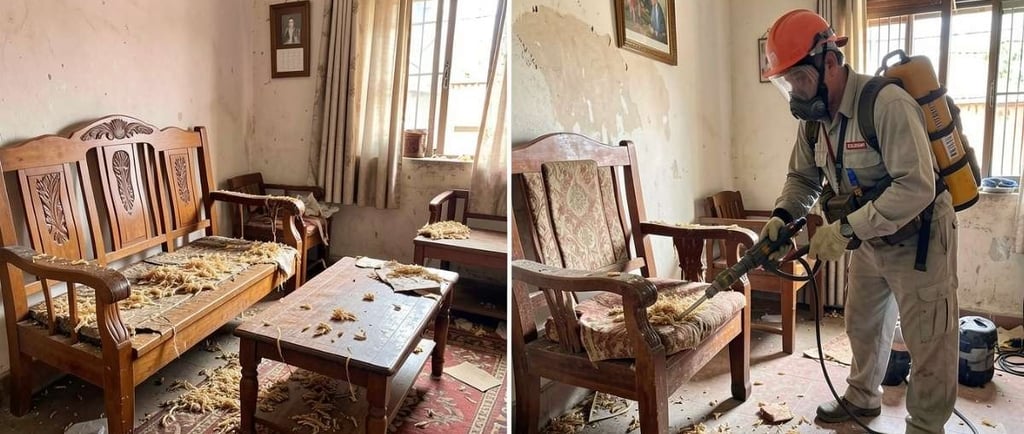
Identifying the early signs of a termite infestation is crucial for effective management. Common indicators include the presence of discarded wings, mud tubes along foundations, and hollow-sounding wood when tapped. Homeowners may also notice frass, which is a byproduct of termite digestion resembling small pellets. Unexplained structural damage can also point to an underlying termite problem that requires immediate attention.
Understanding the lifecycle of termites further emphasizes the importance of early detection. A typical colony starts with a queen, who lays thousands of eggs; these will develop into workers, soldiers, and reproductive individuals. The rapid growth of colonies can lead to significant damage in a relatively short period, making timely inspection and intervention essential.
Thus, recognizing the signs of infestation and understanding the behavior of different termite species can empower homeowners in Dhaka to take proactive measures. Early detection is key to implementing effective termite control services and safeguarding one’s property from potential harm.
The Importance of Termite Inspection
Termite inspection is a critical first step in managing and preventing termite infestations in properties. A thorough inspection enables property owners to identify any signs of termites, structural damage, or conducive conditions for an infestation. It typically involves a systematic examination carried out by licensed pest control professionals who are trained to recognize the subtle indicators of termite presence.
The inspection process includes checking common areas of infestation such as wooden structures, basements, attics, and foundations. Inspectors utilize specialized tools such as moisture meters, infrared cameras, and tapping devices to detect hidden termite activity. These tools can reveal damp areas, which are often a favorable condition for termites, as well as potential entry points where termites might exploit cracks in the foundation or gaps around doors and windows.
Regular termite inspections are recommended to ensure properties remain free from these destructive insects. For homeowners, an annual inspection is often the best practice, particularly in regions prone to termite activity. In cases where previous infestations or damage has been noted, more frequent inspections may be warranted to monitor the situation closely.
In conclusion, underestimating the importance of termite inspection can lead to significant structural damage and costly repairs. By investing in professional inspections and being proactive, property owners can safeguard their investments and maintain a termite-free environment.
Chemical Treatments for Termite Control
Chemical treatments are one of the most widely adopted methods for termite control, utilizing various insecticides and pesticides designed to exterminate these destructive pests effectively. The core objective of these chemical agents is to target the biological mechanisms of termites, leading to their demise upon exposure. There are numerous types of insecticides available in the market, each with unique compositions and modes of action.
One of the most common types of chemical treatments is liquid termiticides, which can be applied around the perimeter of buildings to create a barrier that repels or kills termites attempting to enter. Another effective approach is the use of baiting systems, which incorporate attractants along with slow-acting insecticides. Termites consume the bait and bring it back to their colonies, consequently affecting the larger population.
While chemical treatments can be highly effective in managing termite infestations, it is essential to be aware of potential risks associated with their use. Exposure to certain chemicals may pose health risks to humans and pets, hence the necessity of strict adherence to safety measures during application. Homeowners should always ensure that treatments are conducted by licensed professionals who can implement the necessary precautions, including the use of personal protective equipment and ventilating treated areas adequately.
Moreover, the effectiveness of chemical treatments can vary based on several factors including soil conditions, species of termites, and environmental issues. Regular inspections and follow-up treatments are crucial for ensuring long-lasting protection against termite re-infestation. Insum, when applied correctly, chemical treatments can serve as a formidable solution for termite management when integrated as part of an overall pest control strategy.
Non-Chemical Treatments: Safe Alternatives
Termite management goes beyond chemical solutions, with several non-chemical treatments offering effective alternatives for homeowners concerned about safety and environmental impact. These methods include physical barriers, biological control techniques, and thermal treatments, which can mitigate termite infestations without resorting to pesticides.
One prominent method is the installation of physical barriers, such as steel mesh or concrete, during the construction phase of a property. These barriers create a formidable defense against termites, as they prevent these pests from gaining access to wooden structures. While they require an upfront investment and may not be practical for existing buildings, they provide a long-term solution for new developments.
Another viable alternative is biological control methods which leverage natural predators or pathogens to manage termite populations. This strategy often involves the introduction of nematodes, microscopic worms that attack termites, or utilizing fungi that naturally infect these pests. While effective, biological methods may take longer to show results compared to chemical treatments, and their effectiveness can vary based on environmental conditions.
Additionally, thermal treatments involve exposing infested structures to extreme temperatures. This can be achieved through heat treatment, where the entire building is heated above 120 degrees Fahrenheit for a sustained period, effectively killing adult termites and their larvae. Conversely, cold treatments use low-temperature methods, either by applying liquid nitrogen to rapidly freeze termites or by lowering ambient temperatures in a targeted area. Both heat and cold treatments are chemical-free and leave no toxic residue, making them safe for use in occupied spaces.
While non-chemical treatments present benefits, they also come with limitations. For instance, physical barriers and thermal treatments may require professional application and can be labor-intensive. Furthermore, biological methods could require specific conditions for success and might not offer immediate relief from a severe infestation. In light of these considerations, homeowners should assess the advantages and disadvantages of non-chemical methods relative to traditional chemical treatments before making a decision.
Pricing for Termite Control Services in Dhaka
Determining an accurate pricing structure for termite control services in Dhaka involves several critical factors that can influence overall costs. Understanding these variables can help property owners budget effectively for pest management services and appreciate the value they are receiving.
One of the primary factors affecting the cost of termite control is the size of the property. Generally, larger properties require more extensive treatment and inspection efforts, which can lead to higher costs. Moreover, the level of infestation plays a significant role in pricing; properties with a severe termite problem may necessitate more intensive treatments and repeated visits over time.
The methods of treatment chosen also significantly shape the pricing structure. Different pest control companies in Dhaka may offer a variety of solutions—from chemical treatments to bait systems or even more natural approaches. Each method varies in terms of both effectiveness and cost, which can influence the final price. Therefore, it is important for property owners to discuss the available treatment options with professionals to ascertain which method is most suitable for their particular situation.
Additionally, follow-up services and warranties can impact the pricing of termite control services. Many companies provide ongoing monitoring and maintenance services to ensure that termites do not return, which can incur additional costs. Warranties can also add value, as they often guarantee treatment effectiveness for a specified period. Understanding both the initial costs and potential long-term services can aid in making a well-informed decision.
In conclusion, the pricing for termite control services in Dhaka varies based on a multitude of factors, including property size, infestation severity, treatment methods, and additional services. Homeowners are encouraged to consult with multiple service providers to evaluate their options comprehensively before making a commitment.
Warranty and Follow-Up Services
When considering termite control services in Dhaka, understanding the warranty policies is crucial for ensuring the long-term effectiveness of the treatments employed. Most reputable pest control companies offer a warranty that covers their termite treatments, thereby providing clients with peace of mind regarding their investment. Typically, these warranties range from one to five years, depending on the company and the specifics of the treatment plan.
The warranty generally means that if termites reappear during the coverage period, the pest control service will return and perform additional treatments at no extra cost to the client. It is important for customers to read the fine print of any warranty policy to fully comprehend what is included and excluded. For instance, some companies may only cover re-infestations due to negligence or lack of follow-up services.
Alongside warranty provisions, follow-up services are an essential aspect of maintaining effective termite control. After the initial treatment, most pest control companies will schedule periodic inspections to monitor the area for any signs of termite activity. These follow-up inspections may occur annually or biannually, depending on the service provider's policies and the initial treatment's nature.
Regular follow-ups not only reinforce the termiticidal barriers established during the initial treatment but also allow for early detection of potential infestations. These proactive measures significantly reduce the long-term costs associated with extensive damage that untreated infestations could cause. Thus, by ensuring adherence to warranty guidelines and participating in follow-up services, clients can maintain optimal protection against termites well beyond the initial treatment phase.
Conclusion: Making an Informed Decision for Termite Control
In addressing the issue of termite infestations, it is imperative to recognize the significance of professional termite control services. The expertise that these services provide is vital in not only identifying the extent of an infestation but also in implementing effective treatment strategies tailored to specific needs. Homeowners and property managers in Dhaka are increasingly aware of the threats posed by termites, which makes understanding the available options essential.
Throughout this post, we have discussed the various components involved in effective termite control, which include thorough inspections, targeted treatments, pricing structures, and warranty options. Each of these elements plays a critical role in establishing a reliable and long-term solution to ensure that properties remain protected from these destructive pests. By investing in professional services, individuals can benefit from the peace of mind that comes with knowing their environment is safeguarded against future infestations.
Moreover, choosing a reputable termite control service not only aids in the immediate resolution of pest problems but also emphasizes the importance of ongoing prevention strategies. Regular follow-ups and inspections contribute significantly to maintaining a termite-free environment. In turn, this promotes a healthier living space and protects the structural integrity of homes and buildings.
Ultimately, making an informed decision about termite control involves evaluating the cost of services against the potential damage that an unchecked infestation can cause. It is advisable for homeowners to seek multiple quotes and consult with experts to understand the best approach for their situation. By doing so, individuals can ensure that they select a solution that is not only effective but also aligns with their budget and long-term maintenance plans.
Address:
264/5, Kamal Soroni Road, Mirpur, Dhaka-1216
Contact
Your Quaries on pest control askings
pestexterminatorbd@gmail.com
+8801642008383 +8801988300003, 01723057746
© 2025. All rights reserved. to Urban Pest Control Pvt. Ltd. this site is powered by Our Own IT Team