
Termite Damage in Malaysian Homes: Early Signs & Best Termite Control Solutions
2/9/20267 min read
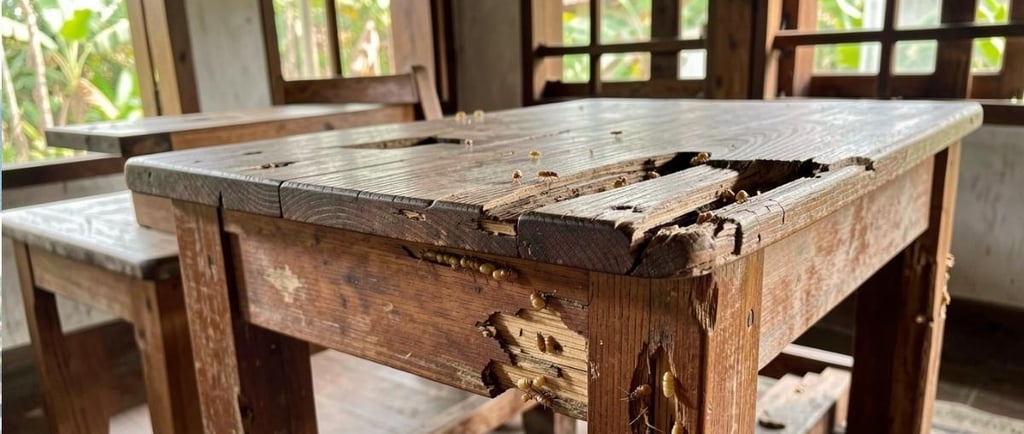
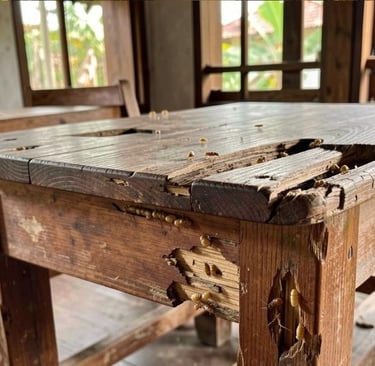
Introduction to Subterranean Termites in Malaysia
Subterranean termites, belonging to the family Rhinotermitidae, are among the most common and destructive pests encountered in Malaysia. These insects are particularly notorious for their ability to cause significant damage to wooden structures due to their voracious appetite for cellulose, which is present in wood, paper, and other plant materials. Their importance as a household pest cannot be overstated, as they are responsible for extensive structural deterioration that can lead to costly repairs and even compromise the integrity of buildings.
Biologically, subterranean termites are social insects that live in colonies, often comprising thousands to millions of individuals. A single colony can have multiple reproductive pairs and can expand rapidly, which contributes to their prevalence in both urban and rural areas across Malaysia. These termites thrive in humid environments, which is conducive to their survival and breeding. Their nests, typically located underground, can extend vast distances in search of food sources, allowing them easy access to wooden structures.
What makes subterranean termites a significant concern for homeowners is their clandestine feeding habits. Unlike other wood-destroying insects, such as drywood termites, subterranean termites typically remain hidden within the soil, making their presence difficult to detect until severe damage has occurred. Early signs of infestation may be subtle, such as mud tubes on walls or soft, hollow-sounding wood. Therefore, homeowners must be vigilant and knowledgeable about these pests to take prompt and effective measures for prevention and control.
In conclusion, subterranean termites pose a considerable threat to homes in Malaysia due to their widespread presence and destructive feeding behaviors. Understanding their biology, habitat, and behavior is essential for homeowners to protect their properties from potential infestation.
Risks of Wooden Houses in Malaysia
In Malaysia, wooden houses face significant risks from subterranean termites, largely due to the country's humid tropical climate, which creates a perfect breeding ground for these pests. The high humidity levels and warm temperatures facilitate the survival and reproduction of termites, making wooden structures particularly vulnerable to infestations. Timber elements in homes are not only a source of nutrition for these insects but also create an environment where they can thrive undetected.
Commonly used woods in Malaysian construction, such as meranti and balau, have varying degrees of susceptibility to termite damage. While some hardwoods possess natural resistance, many of these woods can still succumb to an aggressive termite infestation when conditions are right. As a result, even the most well-constructed wooden houses can experience serious risks if preventative measures are not implemented. Besides, untreated timber tends to be especially attractive to subterranean termites, amplifying the threat to homes.
The potential structural compromises that can occur as a result of termite infestations are concerning. Over time, a moderate-sized colony can cause substantial damage, leading to weakened frameworks, compromised integrity, and in severe cases, structural failure. Affected areas may include support beams, floor joists, and other vital components of a wooden house. Homeowners are advised to conduct regular inspections and monitoring for signs of termite activity, which can include mud tubes, discarded wings, or hollow-sounding wood. Immediate intervention is crucial in mitigating these risks and protecting the overall health of wooden constructions in the region.
Early Warning Signs of Termite Infestation
Detecting a termite infestation at an early stage is crucial for homeowners to effectively mitigate damage. Various visible and behavioral indicators can help in recognizing the presence of these pests. One common visual sign is the presence of mud tubes. Termites construct these tubes primarily as protective routes between their nests and food sources. These structures are typically found in dark, sheltered areas, often against walls or foundations.
Another important indicator is hollow-sounding wood. When termites consume wood from the inside out, it can create a hollow effect. Tapping on wooden structures can provide a auditory clue that wood may be compromised. Homeowners should also be wary of discarded wings. After swarming, reproductive termites often shed their wings, and finding these near windows or other entry points can signal a nearby colony.
Behavioral signs are equally important in recognizing termite activity. Homeowners may sometimes hear faint noises resembling clicking or rustling sounds within walls or wooden structures. This could indicate termite movement as they forage for food. Additionally, observing termite droppings, which resemble small grains or pellets, can further confirm an infestation. These droppings are often found near nesting sites or wood damage.
Early intervention is vital, as a termite problem can escalate quickly. By being vigilant and conscious of these signs, homeowners can take proactive measures to safeguard their properties from potential damage caused by subterranean termites. It is advisable for anyone suspecting an infestation to consult pest control professionals for a thorough inspection and tailored solutions.
The Cost of Termite Damage: An Eye-Opening Perspective
Termite damage can have significant financial implications for property owners in Malaysia. On average, the cost of repairs due to structural damage from termites can range from a few thousand to tens of thousands of ringgit. The severity of the damage often depends on the duration of infestation and the type of structure affected. If left unchecked, these destructive insects can compromise the integrity of homes and businesses, leading to unanticipated expenses.
Research indicates that without early intervention, the costs associated with termite damage can accumulate rapidly. For instance, a single colony of subterranean termites can consume a pound of wood in approximately 24 hours. Over time, particularly in untreated areas, this can translate into structural failures that require major repairs or even complete rebuilding. Statistics show that homeowners can expect repair costs to escalate by up to 30% for every month that the infestation is allowed to progress.
Additionally, the economic impact extends beyond just repair expenses. Properties with significant termite damage may see a dramatic decrease in market value. Potential buyers are often dissuaded by the prospect of hidden damage caused by termites, and thus properties that require extensive remediation may linger longer on the market. This could ultimately translate to substantial financial losses for owners looking to sell their properties.
When considering prevention versus the potential costs of excessive repairs, investment in regular inspections and effective treatment methods can be seen as a wise financial decision. The costs of preventative measures are typically much lower than remediation costs, underscoring the long-term value of proactive termite control strategies in safeguarding assets against the adverse effects of subterranean termites.
Why Professional Termite Control Is Safer Than DIY
Termites pose a significant threat to properties in Malaysia, and effective control is essential for safeguarding structures. While some homeowners may consider tackling termite infestations through DIY methods, enlisting professional termite control services is generally a far safer and more effective option. Professionals possess the expertise and training necessary to identify termite species, assess the extent of infestations, and implement appropriate treatment methods tailored to specific situations.
One of the primary advantages of professional intervention is the access to advanced treatment options that are not available to the average homeowner. Pest control experts utilize commercial-grade products and strategies, such as liquid treatments, baiting systems, and wood treatments, which can provide long-lasting results. These methods are often more effective than household remedies, which typically offer only temporary relief.
Another critical factor to consider is the potential risks associated with improper DIY techniques. Homeowners may inadvertently misidentify the problem, use ineffective treatments, or apply chemicals incorrectly. This not only jeopardizes the efficacy of the efforts but can also lead to safety hazards, including harmful chemical exposure or damage to the property. Professionals are trained to handle pesticides safely and follow regulations, thereby mitigating such risks.
In terms of long-term solutions, professionals can implement comprehensive plans that address not only the existing infestation but also the underlying factors contributing to termite activity. They may advise on preventative measures and regular inspections, which are crucial for maintaining a termite-free environment. In contrast, DIY solutions often provide nothing more than temporary fixes, leaving properties susceptible to future infestations.
Common DIY Methods and Their Limitations
Homeowners often seek do-it-yourself (DIY) methods to manage subterranean termite infestations due to their convenience and perceived cost-effectiveness. Some popular approaches include using home remedies, traps, and chemical treatments. However, the effectiveness of these methods can vary greatly, particularly when addressing the resilient nature of subterranean termites.
One frequently touted home remedy involves using essential oils, such as orange oil or neem oil, believed to be effective against various pests, including termites. While these natural substances may deter some insects, their efficacy on subterranean termites is limited. The key challenge lies in the fact that these termites primarily inhabit underground colonies, making it difficult for such topical applications to reach the core of the infestation.
Traps are another common DIY method. Many homeowners deploy bait stations, often infused with insecticides, to lure termites and reduce their population. However, these traps can only target a fraction of the termite colony since underground nest systems can extend far and wide, allowing many termites to evade detection. It's also important to note that the bait requires precise placement and knowledge of the termite pathways to be successful, which is not always achievable without professional training.
In terms of chemical treatments, off-the-shelf pesticides can also be utilized by homeowners. Yet, the limitations of DIY chemical methods become evident when one considers that subterranean termites are adept at avoiding treated areas by utilizing their complex tunneling networks. Furthermore, improper application can lead to environmental concerns and ineffective responses.
In summary, while DIY pest control measures can provide some immediate relief, their limitations make them less viable for long-term management of subterranean termites. Engaging with professional pest control services remains the most effective means of addressing serious infestations, ensuring that the complete colony is eradicated.
Conclusion: Making Informed Decisions for Your Home
In addressing the threat posed by subterranean termites in Malaysia, it becomes essential for homeowners to recognize the significance of awareness and proactive measures. Throughout this blog post, we have delved into the various risks associated with termite infestations, highlighting how these pests can fundamentally undermine the structural integrity of a property. Their presence often goes unnoticed until significant damage has occurred, underscoring the necessity for vigilance.
Homeowners are encouraged to develop an understanding of the signs indicating a potential termite problem. Recognizing early indicators such as mud tubes, discarded wings, or damage to wood and other materials substantially increases the likelihood of mitigating the infestation before it escalates. Regular inspections and monitoring of one’s property can facilitate early intervention, ultimately saving time and financial resources.
Preventive strategies are equally crucial. Implementing measures such as maintaining proper drainage, sealing entry points, and keeping wood piles away from the foundation can significantly deter termites from taking residence in your home. Additionally, it is advisable to consult pest control professionals who specialize in managing subterranean termites. Their expertise can guide homeowners in developing a comprehensive pest management plan tailored to the specific needs of the property.
Taking informed actions against subterranean termites is not merely a matter of home maintenance; it is an investment in safeguarding one's property. As the battle against these pests continues, staying informed, engaging with experts, and executing preventive measures will help secure homes against potential infestations. Regular checks, prompt action upon noticing signs of termites, and professional intervention are key components in preserving a safe, termite-free environment.
Address:
264/5, Kamal Soroni Road, Mirpur, Dhaka-1216
Contact
Your Quaries on pest control askings
pestexterminatorbd@gmail.com
+8801642008383 +8801988300003, 01723057746
© 2025. All rights reserved. to Urban Pest Control Pvt. Ltd. this site is powered by Our Own IT Team