
Termite Treatment Cost & Procedure Guide 2026: Residential vs Commercial Packages Compared
2/21/20268 min read
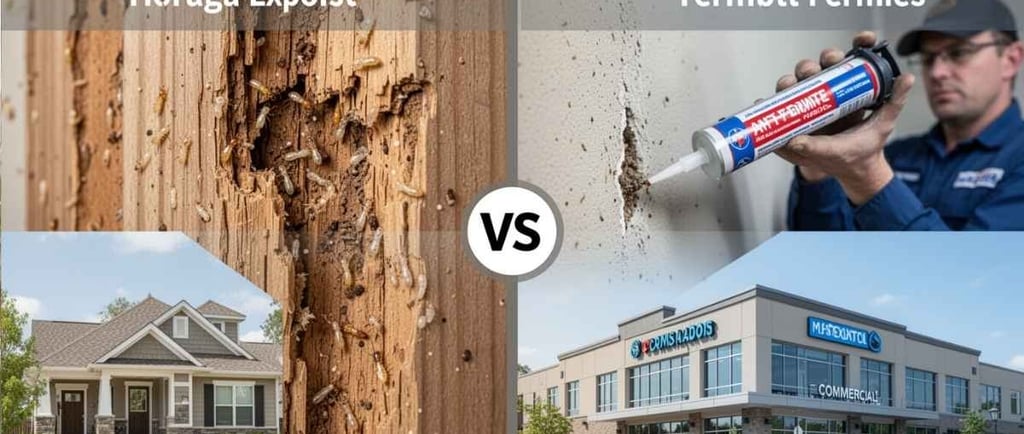
Why Termite Damage is Rising Globally
Recent trends indicate a significant escalation in termite infestations worldwide, raising concern among homeowners and pest control professionals alike. Research suggests that various interrelated factors are contributing to the rising incidence of termite damage. Among these, climate change emerges as a critical player; as temperatures increase, certain termite species flourish in previously inhospitable regions, expanding their range and prevalence.
Urbanization further exacerbates the issue. As cities expand into natural habitats, humans inadvertently create optimal conditions for termites to thrive. Structures such as wooden homes and buildings provide ample food sources and shelter, drastically increasing the likelihood of infestations. The National Pest Management Association (NPMA) reported that close to 600,000 homes are damaged by termites each year in the United States alone, illustrating the upsurge in termite-related problems.
Deforestation, a significant environmental concern, plays a role in the increasing termite populations. The removal of trees and vegetation disrupts natural ecosystems, forcing termites and other pests to seek new habitats. This behavior has led to an imbalance, resulting in a greater concentration of these pests in urban areas, creating a scenario ripe for damage. For example, a case study in Brazil showed that following extensive deforestation practices, termite infestations in nearby communities surged by 70%, highlighting the adverse impacts of environmental changes on pest populations.
Moreover, populations that increase without adequate pest management strategies can notably contribute to the rising risks of termite infestations. As awareness of termite damage grows, it is essential for homeowners and property managers to remain vigilant and proactive in implementing effective prevention and treatment measures. Understanding these factors is crucial in developing a comprehensive approach to tackle the impending termite challenges head-on, ensuring the safety and preservation of properties globally.
Pre-Construction vs Post-Construction Treatment
Understanding the differences between pre-construction and post-construction termite treatments is essential for effective pest management. Pre-construction termite treatment involves applying protective measures during the construction phase, often before a building is occupied. This method typically includes soil treatment with termiticides, installing physical barriers, or utilizing baiting systems, all aimed at preventing termite infestations from taking hold in the first place.
One of the significant advantages of pre-construction treatment is its effectiveness; these procedures can significantly minimize the risk of termite damage, which can be costly and disruptive. Additionally, pre-construction measures can be more cost-effective than post-construction options, largely due to the ease of access to the foundation and surrounding areas before the building is completed. However, these treatments may not guarantee absolute protection over time, as conditions can change.
On the other hand, post-construction termite treatments come into play when a structure is already built. These procedures often involve baiting systems and liquid insecticide applications that target any existing infestations. One major advantage of post-construction treatment is its applicability; it can address specific areas where a termite problem has been identified. However, this approach can be more invasive and costly, as it often requires drilling into foundations or accessing hidden areas within the structure.
In terms of timing, pre-construction treatments are typically conducted during the early stages of building, while post-construction measures are implemented subsequently whenever a termite issue is detected. Ultimately, the choice between pre and post-construction treatment depends on various factors, including the building type, location, existing pest issues, and budget considerations. Understanding these differences is crucial in selecting the most appropriate termite management strategy for any construction project.
Soil Treatment vs Baiting System
When it comes to termite control, two predominant methods are often discussed: soil treatment and baiting systems. Each method has its own unique application procedures, associated costs, and effectiveness, making it essential for homeowners and property managers to understand their distinctions before deciding on a treatment approach.
Soil treatment, also known as liquid termiticide application, involves the introduction of chemical solutions into the soil surrounding a structure. This method aims to create a barrier that repels or kills termites on contact. Typically, the cost for soil treatment can range between $1,000 to $3,000, depending on several factors such as the size of the infestation, the area needing treatment, and geographical location. The effectiveness of soil treatment generally hinges on the thoroughness of the application and environmental conditions. A notable advantage of this method is its long-lasting residual effects, often remaining effective for several years. However, it may pose potential risks to the environment due to chemical use.
Conversely, baiting systems focus on a more targeted approach. These systems consist of strategically placed bait stations around the perimeter of a property. The bait contains slow-acting insecticides designed to attract and eliminate termites through a process of consumption and sharing among the colony. The initial investment for a baiting system typically falls between $1,500 and $5,000, influenced by factors such as installation and the number of stations required. One of the significant benefits of this method is its minimal environmental impact, as it uses less chemical than soil treatment. Furthermore, baiting systems allow for ongoing monitoring of termite activity. However, they may take longer to achieve desired results, which can be a concern for urgent infestations.
Residential Package Pricing
In 2026, homeowners seeking effective termite treatment solutions can expect a range of pricing options tailored to various needs and property types. Typical residential treatment packages generally fall into several categories based on the extent of the infestation, methods employed, and the size of the property being treated. Understanding these cost structures is essential for homeowners to budget accordingly.
On average, basic treatments, which include preventive measures and localized extermination, may range from $200 to $800 depending on the square footage. Larger homes typically incur higher costs due to increased treatment areas and the potential for extensive damage assessment. For instance, a home exceeding 3,000 square feet might see costs escalate to between $1,000 and $3,000, especially if significant structural work is involved due to advanced infestations.
Moreover, the choice of treatment method also influences pricing. Chemical treatments such as liquid pesticides or bait systems are commonly employed and can range from $300 to $1,500. Bait systems, while often priced higher initially, may yield long-term savings due to their effectiveness in managing recurring infestations. Conversely, heat treatments—where the infested area is heated to a lethal temperature for termites—can cost upwards of $1,500 for comprehensive coverage.
Homeowners should also consider additional factors that may affect pricing, including geographical location, service provider reputation, and warranty or follow-up services that may be included. Some pest control companies offer bundling packages that incorporate regular inspections, enhancing overall effectiveness against termites while providing better value for homeowners. Ultimately, selecting the right termite treatment package involves assessing the specific needs of the property and investigating multiple quotes from reputable services to ensure informed decisions are made.
Commercial Termite Contracts
Termite protection is vital for maintaining the structural integrity of commercial properties. With the increasing prevalence of termite infestations, businesses often invest in specific termite contracts designed to provide ongoing protection against these destructive pests. These contracts typically encompass a variety of services tailored to meet the unique needs of commercial establishments.
One of the key components of commercial termite contracts is a thorough initial inspection. This foundational step assesses the property for existing infestations and identifies any conditions conducive to termite activity. Following the inspection, pest control professionals will recommend a treatment plan based on the severity of the infestation and the property's risk factors. Common treatment methods include liquid pesticide applications, bait systems, and structural fumigation, depending on the situation.
Commercial termite contracts usually offer ongoing maintenance services, which are essential for sustaining long-term protection. Regular inspections, often scheduled semi-annually or annually, are critical to detect any signs of new infestations early, preventing extensive damage and costly repairs. Furthermore, many contracts include prevention measures, such as treatments to reduce moisture levels around the foundation and installation of barriers to deter termite access.
Pricing for commercial termite contracts can vary significantly from residential plans due to the larger scale of the properties involved and the increased complexity of treatment options. Factors influencing cost include the size of the property, the extent of the infestation, and the specific services included in the contract. Businesses are encouraged to compare multiple service providers to find a plan that offers comprehensive coverage at a competitive rate, ensuring that they can effectively protect their investments.
Warranty & Guarantee Structure
When it comes to termite treatment, understanding the warranty and guarantee structure offered by service providers is fundamental for homeowners and businesses alike. A warranty typically provides assurance that the treatment provided will be effective for a specified duration. In 2026, standard warranties in the termite control industry often range from one to five years, depending on the severity of the infestation and the treatment methods used.
Service guarantees often cover re-treatments if termites return during the warranty period. These guarantees may also include damage repair related to a re-infestation, although specifics can vary significantly from one provider to another. Therefore, it is essential to review the terms carefully before committing to a termite control plan. Reliable companies should clearly outline what is covered by the warranty, any exclusions, and whether any additional inspections are required during the coverage period.
Furthermore, evaluating the reputation of a termite treatment provider can often be guided by their warranty offerings. Consumers should seek out companies that not only provide a long warranty period but also have favorable reviews in regards to honoring their guarantees. This can be done through customer testimonials, online reviews, and industry ratings. A transparent warranty structure reflects the company's confidence in its services and can greatly influence customer trust.
Ultimately, as part of a prudent approach to termite management, consumers should view warranties not just as a service feature but as an indicator of the company’s commitment to quality and reliability in termite treatment. Engaging a reputable provider with a robust warranty policy may save homeowners from further costs associated with untreated infestations.
Prevention Tips
Preventing termite infestations is paramount for any homeowner looking to protect their investment and ensure the longevity of their property. Implementing effective strategies can significantly reduce the risk of termite damages and associated treatment costs.
One of the most essential measures to take is proper landscaping. Homeowners should ensure that mulch is kept at least 15 inches away from the foundation of the house. Additionally, it is wise to opt for termite-resistant plants and maintain proper drainage away from the structure. Proper landscaping not only enhances curb appeal but also creates a barrier that termites find difficult to navigate.
Moisture management is another critical factor in termite prevention. Termites are attracted to damp environments, so it is vital to repair any leaky pipes, downspouts, or faucets that may contribute to excessive moisture around the home. Consider utilizing a dehumidifier in basement areas where humidity levels may be high, thereby reducing the risk of termite infestations.
Regular inspections carry equal weight in preventing termite issues. Homeowners should schedule annual inspections with pest control professionals who can identify early signs of infestations before they escalate. Moreover, a self-conducted check of the property’s foundation, including wooden structures, can aid in timely detection of any termite activity.
Another practical tip is to store firewood and lumber away from the house, ideally at least 20 feet from the foundation. Keeping these materials elevated and covered can deter termites from approaching your home.
By adopting these prevention tips—including proper landscaping techniques, effective moisture management, and routine inspections—homeowners can significantly reduce the likelihood of termite infestations, protecting their property and wallet in the long run.
How Long Does Termite Treatment Last?
Understanding the longevity of termite treatments is essential for homeowners aiming to protect their properties. The duration for which termite treatments remain effective can vary significantly based on several factors including the type of treatment used, environmental conditions, and the level of infestation present at the time of treatment.
Generally, there are two primary methods of termite treatment: liquid treatments and bait systems. Liquid treatments, which involve applying a chemical barrier to the soil around a structure, typically provide protection for a range of 5 to 10 years. This effectiveness hinges upon maintaining the integrity of the barrier; disturbances from landscaping or heavy rains can diminish its efficacy, necessitating periodic reapplication to ensure ongoing protection.
Bait systems, on the other hand, may take several months to show results because they rely on termites consuming bait and returning it to their colony. However, once established, these systems can remain effective for 5 years or more, depending on environmental factors and termite activity. Regular monitoring and maintenance of these bait stations are crucial to guarantee success against future infestations. A common misconception is that once treatment is applied, no further action is necessary, yet routine follow-ups are highly recommended.
Select professionals often advise homeowner vigilance, suggesting annual inspections to detect any signs of activity and to evaluate the condition of the existing treatment. Additionally, external environmental aspects, such as humidity levels, wooden structures, and the presence of conducive conditions like standing water, can also influence treatment lifespan.
In conclusion, while termite treatments can last several years, ongoing inspections and maintenance play a critical role in ensuring long-term effectiveness against termite infestations. Homeowners should remain informed and proactive in their termite management strategies for optimal protection.
Address:
264/5, Kamal Soroni Road, Mirpur, Dhaka-1216
Contact
Your Quaries on pest control askings
pestexterminatorbd@gmail.com
+8801642008383 +8801988300003, 01723057746
© 2025. All rights reserved. to Urban Pest Control Pvt. Ltd. this site is powered by Our Own IT Team