
Termite Treatment Cost vs DIY Termite Control Methods: Which is Right for You?
Termite Treatment Cost vs DIY Termite Control Methods: Which is Right for You?
1/27/20267 min read
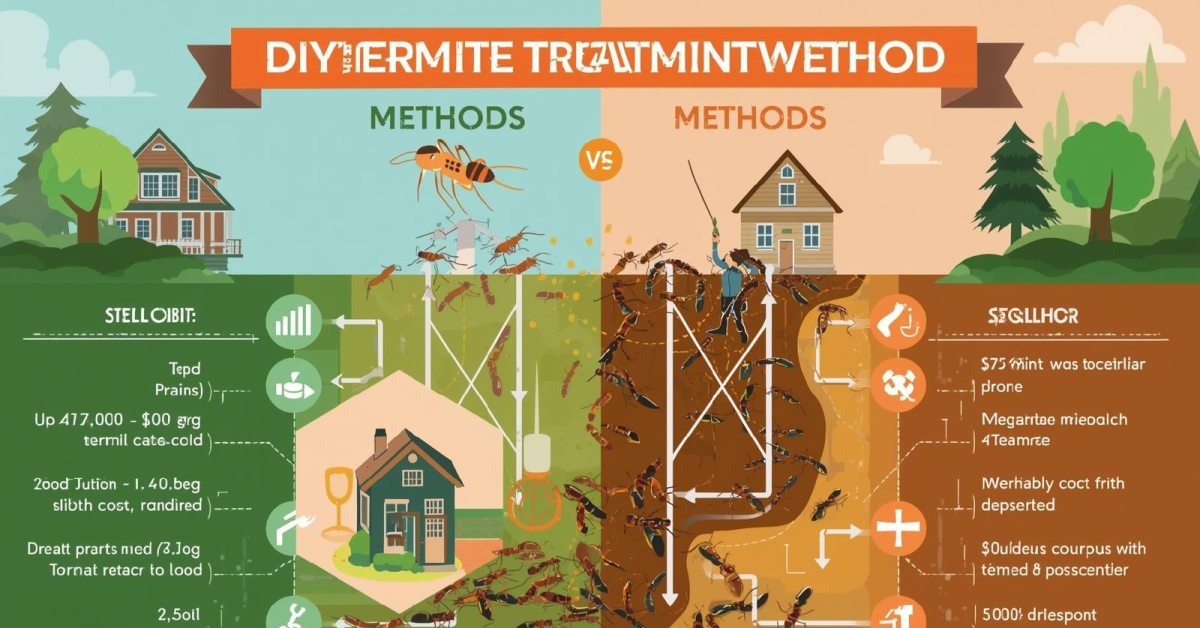
Understanding Termite Infestation
Termite infestation poses a significant threat to residential and commercial properties. Termites are small, wood-eating insects that manage to go unnoticed while they cause substantial structural damage. The three main types of termites are subterranean, drywood, and dampwood, each with unique behaviors and habitats that influence their impact and the necessary control methods.
Subterranean termites, the most common species, live underground in colonies and often create mud tubes to travel between their nest and food source. These tubes enable them to remain protected from predators and the environment. Drywood termites, on the other hand, infest dry, undamaged wood, making their presence harder to detect until significant damage has occurred. Dampwood termites thrive in decayed, moist wood and are typically found in environments with high humidity levels.
The signs of a termite infestation commonly include mud tubes, discarded wings, and hollow-sounding wood. Homeowners may also observe small wood pellets, which are actually termite droppings. Ignoring these early warning signs can lead to extensive damage, often requiring costly repairs. Prompt action is essential for effective termite control, as these pests can eat away at the structural integrity of a building over time. Damage from termites is not only limited to wood but can also impact electrical wiring and plumbing systems, leading to further complications.
Taking preventive measures and recognizing the signs of a termite infestation promptly can save homeowners considerable expense and stress. Regular inspections and understanding the specific challenges posed by different termite species can facilitate timely intervention, ensuring that properties remain safe from these destructive pests.
The Cost of Professional Termite Treatment
When considering the cost of professional termite treatment, it is essential to recognize that this expense can vary significantly based on several factors. Professional services typically offer a range of treatment options including liquid treatments, bait systems, and fumigation. Each method has its own associated costs and effectiveness depending on the specifics of an infestation.
Liquid treatments, commonly used for localized infestations, tend to be more affordable, with costs averaging between $200 to $500 for treatment in smaller areas. However, for extensive infestations, the use of bait systems can be more effective. These baiting systems generally range in price from $1,000 to $2,500, depending on the number of stations required and the level of infestation.
Fumigation is the most comprehensive and consequently the priciest option available. This method involves sealing the property and releasing a gas designed to eradicate termites throughout the structure. Fumigation costs can vary widely, but homeowners should anticipate paying anywhere from $2,000 to $8,000 depending on the size of the property and the extent of the infestation. Factors such as geographical location can also significantly influence these costs, with urban areas typically seeing higher prices due to increased demand and operational expenses for pest control companies.
In addition to treatment type and geographical factors, the level of termite infestation will ultimately be the most critical component in determining the final cost of treatment. A thorough inspection by a licensed pest control professional can aid in assessing the severity of the infestation and provide a tailored quote for services. Homeowners must weigh these costs against the potential damage termites can inflict on property structures over time, making timely treatment a priority.
Exploring DIY Termite Control Methods
When it comes to termite control, homeowners may consider various DIY methods before engaging professional services. The market is filled with numerous solutions that can help manage termite infestations effectively. Among these are natural remedies, preventive measures, and readily available over-the-counter products.
One popular natural remedy is the use of orange oil, which contains d-limonene, a compound effective against termites. When applied to infested areas, orange oil can kill both adult termites and their larvae on contact. Another natural solution involves boric acid, often regarded as a safe alternative to chemical pesticides. When mixed with sugar, it effectively lures termites, who ingest it and subsequently die.
Preventive measures are equally crucial in deterring termites. Homeowners should ensure that any wood in contact with the ground is treated or made of naturally resistant materials like cedar or redwood. Additionally, maintaining a dry environment by improving drainage around the home can significantly reduce the risk of infestations, as termites are drawn to moisture.
Over-the-counter products, such as liquid insecticides and bait systems, also offer viable options for homeowners. These products can be applied to specific areas to kill termites or act as a preventive barrier. Bait systems typically consist of stations placed around the property, which attract and eliminate termites over time. However, it is essential to follow the manufacturer’s instructions to ensure effective application.
Despite their availability and effectiveness, DIY termite control methods have limitations. They often provide only temporary relief and may not address larger infestations. Additionally, improper application can lead to further infestation or damage. Therefore, while DIY methods can serve as a first line of defense, it is advisable to consult with professionals for comprehensive termite management.
Comparing Costs: Professional Treatment vs DIY Methods
When considering termite control, one of the primary factors homeowners weigh is the cost associated with professional treatments versus do-it-yourself (DIY) approaches. Analyzing these costs involves looking at initial expenditures, potential long-term savings, and the financial implications of unsuccessful DIY attempts.
The initial cost of hiring a professional pest control service typically ranges from $200 to $2,500, depending on the extent of the infestation and the treatment method employed. This initial investment often includes comprehensive inspections, professional-grade treatment solutions, and warranties on the work performed. In contrast, DIY methods can start as low as $20 to $100 for over-the-counter pesticides or bait systems. However, this lower price point must be considered along with the potential need for multiple purchases or equipment to apply these treatments effectively, which can quickly escalate costs.
Moreover, while DIY methods seem cost-effective at first glance, the potential for failure can lead to more significant expenses down the line. For instance, if a homeowner opts for DIY treatments but fails to eradicate the infestation, the cost of subsequent professional treatments can be substantially higher due to the increased damage caused by the termites. In such cases, the initial savings from DIY efforts are negated by the need for a more intensive and effective pest control strategy.
On the other hand, choosing professional termite treatment can yield long-term savings. Professionals not only ensure thorough eradication of termites but also often provide follow-up services and monitoring that significantly reduce the risk of re-infestation. When factoring in the potential costs of property damage caused by termites, many homeowners find that investing in professional services is a financially prudent decision. Ultimately, the choice between professional treatment and DIY methods should be informed by the understanding of these costs, potential outcomes, and the importance of safeguarding one's home from termite damage.
Effectiveness: Professional Treatment vs DIY Methods
When addressing termite infestations, the effectiveness of treatment options varies significantly between professional treatments and DIY methods. Professional termite control services employ advanced techniques and products that are often more potent than typical home remedies. These companies typically utilize chemical barriers, baiting systems, and advanced monitoring technologies, which can lead to quicker eradication of termite colonies. Studies indicate that professional treatments can result in almost immediate results, with most infestations under control within a matter of days.
In contrast, DIY methods may yield less impressive outcomes. While certain products available at home improvement stores can help manage a termite problem, they often require a longer period to see results. Homeowners using DIY solutions frequently report mixed success, with many infestations persisting for months despite their efforts. This variance in effectiveness can often be attributed to a lack of comprehensive knowledge about termite behavior and biology, which professionals possess.
Another critical factor influencing effectiveness is the warranty options provided by professional services. Many pest control companies provide warranties for their treatments, ensuring ongoing protection against future infestations. This option is often unavailable for DIY treatments, leaving homeowners vulnerable to re-infestation without any guaranteed follow-up support. Additionally, testimonials from clients who have used professional treatments tend to report a significant reduction in termite activity, supported by a physical inspection indicating that colonies have been eradicated.
While both professional and DIY approaches have their merits, the likelihood of re-infestation is generally lower with professional treatments due to the thoroughness of the protocols employed. In conclusion, when weighing effectiveness, it becomes evident that professional termite control services often provide a more rapid and sustainable solution compared to DIY methods, particularly for significant infestations.
Risk Factors of DIY Termite Control
Engaging in do-it-yourself (DIY) termite control methods may seem like a cost-effective solution; however, it carries significant risks that can exacerbate the issue rather than resolve it. One of the primary challenges of DIY termite treatment is the potential for misidentification of the pest. Many homeowners mistake termites for other wood-destroying insects such as carpenter ants or woodboring beetles. This confusion can lead to implementing ineffective treatment methods tailored for the wrong pest, delaying the necessary response to a termite infestation.
Moreover, even if the correct identification is made, DIY treatments may rely on products that are ineffective against the specific termite species present. Termites exhibit complex behaviors and colony structures that might not be adequately addressed with off-the-shelf solutions. Additionally, improper application of these treatments can result in subpar results, allowing the infestation to continue and potentially worsen over time.
Safety is another critical concern for those attempting DIY termite control. Many commercial pest control products contain potent chemicals that, when mishandled, can pose health risks to users and their families. Homeowners often lack the necessary training to handle toxic substances safely, increasing the likelihood of accidents or exposure. Furthermore, failing to use proper personal protective equipment could lead to severe reactions or long-term health issues.
In conclusion, while DIY termite control might appear appealing due to potential cost savings, misidentification of the pest, ineffective treatment methods, and safety hazards heavily weigh against it. Homeowners should carefully consider these risk factors and consult professionals to ensure effective and safe termite management.
Making the Right Choice: Professional Treatment or DIY?
Determining the best approach between professional termite treatment and DIY pest control methods requires careful consideration of various factors specific to your situation. First and foremost, it's essential to assess the severity of the termite infestation. If you’re dealing with a minor issue that appears manageable, DIY methods may be a suitable option. Over-the-counter insecticides, baiting systems, and natural repellents can sometimes effectively address small infestations when applied correctly.
However, for severe cases, where the structural integrity of your home may be compromised, hiring a professional exterminator is advisable. Professionals have access to specialized equipment, advanced chemicals, and extensive training that are often beyond the scope of average homeowners. They can also provide a comprehensive inspection to identify the extent of the infestation and determine the best course of action.
Another important consideration is your budget. Professional termite treatments can be significant investments; however, they often come with warranties and aftercare services that might save on future costs related to termite damage. On the other hand, if budget constraints are prevalent, DIY methods can be an appealing alternative, provided you are committed to following all instructions and safety precautions closely.
Personal skills and knowledge also play a crucial role in the decision-making process. If you are comfortable with hands-on work and have researched effective DIY techniques thoroughly, then a do-it-yourself approach may work well for you. Conversely, if you lack experience or confidence in handling pest control, seeking professional help could be the better route.
In addition to immediate considerations, think about the long-term value of your property as well. Investing in a professional treatment can protect your home’s value and prevent future infestations, which is a critical factor to weigh. Ultimately, the choice between professional treatment and DIY methods should align with your specific situation, ensuring your home remains safe and termite-free.
Address:
264/5, Kamal Soroni Road, Mirpur, Dhaka-1216
Contact
Your Quaries on pest control askings
pestexterminatorbd@gmail.com
+8801642008383 +8801988300003, 01723057746
© 2025. All rights reserved. to Urban Pest Control Pvt. Ltd. this site is powered by Our Own IT Team