
The Best Time for Termite TrThe Best Time for Termite Treatment in Bangladesheatment in Bangladesh
The Best Time for Termite Treatment in Bangladesh
1/28/20267 min read
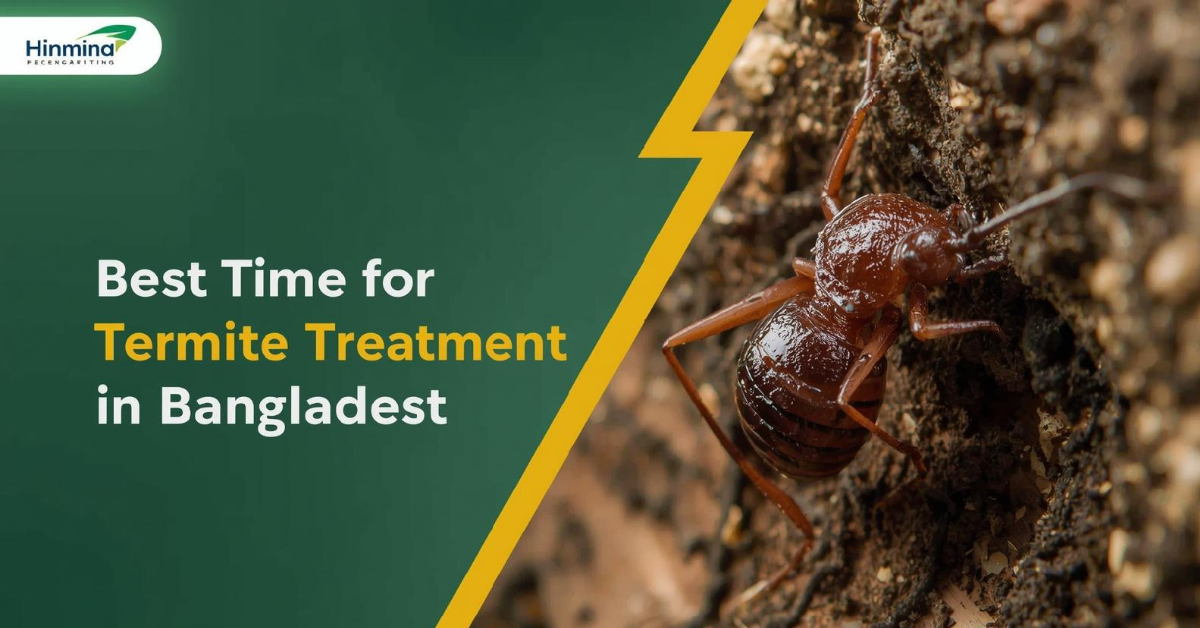
Understanding Termites and Their Lifecycle
Termites are social insects that belong to the order Isoptera and are critical to the ecosystem due to their wood-decomposing abilities. In Bangladesh, there are primarily three types of termites: subterranean, drywood, and dampwood termites. Each species exhibits distinct behavior and habitat preferences, which can significantly affect their infestations in residential and commercial structures.
The lifecycle of termites consists of four stages: egg, nymph, adult, and reproductive. Female termites can lay thousands of eggs, which hatch into nymphs that resemble miniature adults. Nymphs undergo several molts, gradually developing into either workers, soldiers, or reproductive adults. This process can span several weeks to months, influenced by factors such as temperature, humidity, and food availability. High humidity, typical of the Bangladeshi climate, often promotes faster development and increased reproductive success.
Subterranean termites, commonly found in Bangladesh, typically build their colonies underground, making their detection challenging. They thrive in warm, moist environments and often enter structures through foundation cracks. Their presence usually escalates between April and October when temperatures rise, making this period critical for pest control strategies.
In contrast, drywood termites establish colonies within dry wood and do not require contact with the soil. They are often introduced through infested wood products. The environmental conditions in Bangladesh, with high temperatures and significant rainfall during monsoon months, can also encourage drywood termites’ activities in homes and furniture.
Understanding the biology, behavior, and lifecycle of termites helps homeowners and pest control professionals determine the optimal timing for treatment. Effective intervention during the active periods reduces the risk of severe infestations and extensive property damage, underscoring the importance of knowledge in termite management practices.
Signs of a Termite Infestation
Detecting a termite infestation early is critical for preventing significant damage to your property. Several signs can indicate the presence of these pests, and homeowners should remain vigilant.
One of the most recognizable signs of termites is the presence of mud tubes, which are usually constructed from soil, wood, and saliva. These tubes can often be found on walls, foundations, or trees, providing a shelter for termites as they travel between their nest and food sources. If you notice any mud tubes, it is an essential indication of an active termite colony near your home.
Another prominent sign of termite activity is the damage to wooden structures. Termites consume wood from the inside out, so affected wood may appear hollow or have a honeycomb pattern. When you tap on suspicious wood, it often produces a dull sound, indicating that it may be infested. Pay special attention to areas such as door frames, window sills, and beams, as these are common targets for termites.
Additionally, homeowners should be alert for discarded wings. As termites swarm, they shed their wings, which can often be found around windowsills or doorways. The presence of these wings suggests that a colony has established itself nearby, and it is advisable to take immediate action.
Regular inspections of your home, especially during warm and humid months, can help identify problems early. Look for other indicators, such as frass (termite droppings), which resembles sawdust, and listen for a rustling sound in walls. By being proactive and responsive to these signs, you can effectively mitigate the risk of extensive termite damage in your property.
Seasonal Activity of Termites in Bangladesh
Termites exhibit distinct behaviors throughout the seasons in Bangladesh, which significantly influences their activity levels and potential for causing damage. Understanding these seasonal patterns is crucial in determining the optimal timing for termite treatment.
During the monsoon season, which typically occurs from June to September, termites become particularly active. The increased moisture levels provide an ideal environment for subterranean termites, as it aids in their tunneling and foraging activities. In this season, termite colonies often expand and find new food sources, leading to higher chances of infestations in residential and commercial properties. Homeowners should be vigilant during this period since it marks the peak of termite activity.
In contrast, the winter months, ranging from November to February, see a decline in termite activity. The cooler temperatures can trigger a reduction in foraging behaviors, as termites tend to retreat deeper into the ground to conserve moisture and warmth. However, once the temperature begins to rise in late February and early March, termites re-emerge, signaling the start of their reproductive cycles, commonly known as swarming. It is essential to be aware of this behavior since swarming can lead to new colony establishment if left untreated.
Spring, therefore, is another critical period, as increased temperatures encourage both mature colonies and new swarms to seek out potential nesting sites. This makes it a strategic time for homeowners to evaluate their properties and consider proactive termite treatments. By recognizing these seasonal variations in termite behavior, homeowners can better plan their interventions and minimize the risk of significant infestations.
Timing Your Termite Treatment
Effective termite treatment requires a nuanced understanding of the lifecycle and seasonal patterns of termite activity. In Bangladesh, where the climate is predominantly warm and humid, termites can remain active throughout the year. However, there are specific months that are particularly conducive to their swarming and reproductive activities, which informs the optimal timing for treatment.
Generally, the peak activity period for termites in Bangladesh aligns with the monsoon season, which spans from June to September. During this time, the increased moisture in the environment facilitates the termites' search for food and nesting sites. Therefore, it is advisable to schedule preventative termite treatments just prior to this season, ideally in April or May. This proactive approach can help mitigate the risk of infestation before termites reach their peak activity levels.
Furthermore, it is essential to consider the lifecycle of termites when planning treatments. Termites primarily exhibit their swarming behavior in the late evening and after heavy rains, which coincides with the warmer months. By targeting treatments during this period, homeowners can effectively disrupt the lifecycle of both existing colonies and new swarmers.
After the rainy season, a follow-up inspection and potential retreatment in late October or November are highly advisable. This ensures that any newly established colonies, which may have formed during the monsoon, are addressed promptly. Moreover, consistent monitoring and maintenance can play a pivotal role in keeping termite populations at bay, ensuring long-term protection for your property.
Weather Conditions and Their Impact on Treatment Efficacy
Effective termite treatment is significantly influenced by prevailing weather conditions, particularly in regions like Bangladesh, where the climate displays notable variability throughout the year. Understanding the impact of rainfall, temperature, and humidity is crucial for homeowners seeking optimal results from extermination efforts.
Rainfall plays a critical role in not only the behavior of termites but also the effectiveness of various treatment methods. Excessive moisture can lead to an increased termite activity, as they thrive in damp environments. Consequently, implementing treatments during periods of heavy rainfall may dilute chemical solutions, reducing their efficacy. Homeowners are advised to monitor local weather forecasts and avoid scheduling extermination during the monsoon season when rain is frequent.
Temperature, another influencing factor, affects the metabolism and activity levels of termites. Ideal conditions typically lie between 70°F and 90°F (21°C to 32°C), where termite populations are at their peak. It's advisable to plan treatments during the warmer months, as termites are more actively foraging for food, making them more susceptible to baiting methods. However, extreme heat may also push termites to deeper soil layers, necessitating adjustments in treatment strategies.
Humidity is equally significant in the equation. High humidity levels can enhance the effectiveness of certain pest control methods, as many chemical solutions perform better in humid conditions. On the other hand, too much humidity can also promote additional pest issues, complicating the extermination process. Thus, homeowners should consider the humidity levels in conjunction with temperature and rainfall when determining the best timing for termite treatments.
Choosing the Right Treatment Method
Termite infestations can cause significant damage to homes and structures in Bangladesh, necessitating effective treatment methods to combat these pests. When considering termite treatment, homeowners have various options available, each with its benefits and considerations. Three widely recognized methods include chemical treatments, bait systems, and natural alternatives.
Chemical treatments, often regarded as the traditional approach, typically involve the application of termiticides in the soil around the foundation or within the structure itself. These chemical barriers can be effective for eliminating existing termite colonies and preventing further infestations. However, the timing of these treatments is critical; they should ideally be applied during the dry season when termite activity is high and soil conditions allow for thorough penetration of the chemicals.
Another method is utilizing bait systems, which involve the strategic placement of bait stations around the property. These stations contain a slow-acting insecticide that is carried back to the colony by worker termites, thereby neutralizing the population over time. Bait systems offer a less invasive alternative compared to chemical treatments and can be monitored regularly to assess effectiveness. The success of bait systems also hinges on timing; they require consistent monitoring and may take longer to show results when compared to quick chemical solutions.
Lastly, natural alternatives for termite control have gained popularity, especially among environmentally-conscious homeowners. These methods may include the use of nematodes, borate treatments, or diatomaceous earth, which act to disrupt termite biology without the use of harsh chemicals. While these products are considered safer for the environment and human health, they may not always provide immediate results. Effective timing and application techniques are crucial when employing these alternatives to ensure their efficacy.
In summary, the choice of the right termite treatment method in Bangladesh depends on various factors including the severity of the infestation, environmental impact considerations, and the specific circumstances of the property. Timing plays a vital role in the success of any treatment, whether chemical, bait, or natural, and should be a pivotal factor in decision-making for homeowners.
Preventive Measures and Long-term Maintenance
Ensuring that a property remains free from termite infestations after treatment requires a proactive approach that includes preventive measures and long-term maintenance practices. Termites are attracted to moisture and wood, making it crucial to eliminate conditions that facilitate their growth.<\/p>
One of the primary preventive measures is to regularly inspect the property for areas prone to moisture. This includes checking for leaks in plumbing, roofs, and basements, and ensuring that gutters and downspouts direct water away from the foundation. It is advisable to maintain proper drainage and keep the soil around the home dry to deter termites from establishing a presence near the property.
Regular maintenance of wood structures also plays a significant role in prevention. Homeowners should seal or paint wood surfaces to create a barrier against termites. Additionally, it is essential to remove any dead trees, roots, or wood debris, such as stacks of firewood, from the yard. These organic materials can attract termites and should not be left near the home.
Furthermore, monitoring for signs of termite activity is critical. Homeowners should be vigilant and look for mud tubes on exterior walls, damaged wood, or swarmers, which are winged termites that leave their nests to establish new colonies. Conducting annual inspections by a professional pest control service can also help in identifying potential risks before they escalate into significant infestations.
Finally, applying preventative termite treatments can be beneficial. Chemical barriers, bait systems, or borate treatments can provide ongoing protection against reinfestation. Adopting these strategies not only helps to safeguard the home but can also save homeowners from the high costs associated with termite damage and repairs in the future.
Address:
264/5, Kamal Soroni Road, Mirpur, Dhaka-1216
Contact
Your Quaries on pest control askings
pestexterminatorbd@gmail.com
+8801642008383 +8801988300003, 01723057746
© 2025. All rights reserved. to Urban Pest Control Pvt. Ltd. this site is powered by Our Own IT Team