
The Complete Guide to Pest Control in Bangladesh (2026 Updated)
2/28/202611 min read
Introduction to Urban Pest Problems in Bangladesh
Urban pest management is an increasingly critical concern in Bangladesh as the nation experiences rapid urbanization alongside significant population growth. This phenomenon has led to various challenges, including the proliferation of pest issues that affect both residential and commercial areas. A comprehensive understanding of these urban pest problems is essential, as they hold serious implications for public health, economic stability, and overall quality of life.
As cities expand, the infrastructure struggles to keep pace, creating ideal conditions for pests such as rodents, mosquitoes, and termites to thrive. The lack of adequate drainage systems in congested urban areas has exacerbated the situation, encouraging the breeding of disease-carrying insects. Additionally, poor waste management practices contribute to attracting pests, further complicating urban pest management efforts. Consequently, urban centers are increasingly challenged by infestations that can escalate into significant health risks for communities.
The socio-economic implications associated with urban pest problems in Bangladesh are profound. Infestations not only compromise the health of residents but also impact local businesses, leading to economic losses and diminished property values. Furthermore, the fear of pest-related diseases can deter investment and reduce foot traffic in affected areas, thus hindering community vitality. As a result, effective pest management strategies are vital to mitigate these adverse effects and safeguard public health.
Establishing sustainable urban pest management practices is paramount for ensuring the well-being of urban populations in Bangladesh. This requires a multi-faceted approach that integrates community involvement, governmental regulations, and the promotion of environmentally friendly pest control methods. By addressing the underlying causes of pest problems and implementing systematic solutions, urban areas can foster a healthier, more resilient environment for all residents.
Common Urban Pests in Bangladesh
Urban environments in Bangladesh face an array of pest problems, presenting significant challenges to both residents and businesses. Among the most common urban pests are termites, cockroaches, bed bugs, rodents, and mosquitoes, each contributing uniquely to the pest control dilemma.
Termites, often referred to as silent destroyers, can cause extensive damage to wooden structures. These insects primarily exist in colonies and thrive in humid conditions, making urban areas with poor drainage prime locations for infestation. Their ability to consume cellulose materials, such as wood and paper, leads to threatening consequences for residential and commercial properties.
Cockroaches are notorious for spreading pathogens and allergens. They are nocturnal insects that prefer dark, moist environments, often found in kitchens and bathrooms. Their rapid reproduction rates and ability to survive on minimal food sources make cockroach populations challenging to control. This pest poses health risks due to the potential contamination of food and surfaces with their droppings.
Bed bugs have emerged as a significant concern in urban areas of Bangladesh, where they inhabit residential homes, hotels, and public transport. These pests are small, reddish-brown insects that feed on human blood typically at night. Their presence can lead to itchy bites and secondary infections, along with psychological distress due to their pervasive nature.
Rodents, including rats and mice, not only damage properties but also pose a risk of spreading diseases, such as leptospirosis and hantavirus. Urban settings provide a scavenger’s paradise with ample food sources and nesting spaces, making rodent control essential to safeguard health and property.
Lastly, mosquitoes are well-known vectors for various diseases like dengue and malaria. They breed in stagnant water, which is prevalent in many urban residential areas. Their ability to adapt and proliferate in urban settings presents a constant challenge for public health management.
Health Risks and Business Losses Associated with Pests
The presence of urban pests represents a significant health risk, particularly in densely populated areas of Bangladesh. Pests such as rodents, cockroaches, and mosquitoes are known carriers of various diseases, including leptospirosis, salmonella, and dengue fever. These diseases can be transmitted to humans through direct contact or contaminated surfaces, leading to serious health implications. Furthermore, certain pests can exacerbate allergic reactions and asthma symptoms, especially in vulnerable populations, such as children and the elderly. Therefore, effective pest control is not merely a matter of comfort but a crucial aspect of public health management.
In addition to the health implications, pest infestations can impose considerable financial burdens on businesses. Companies that operate in pest-prone environments may suffer significant losses due to property damage, particularly in the food and beverage industry. For instance, pests can contaminate food supplies, leading to product recalls and legal liabilities. Furthermore, pests can damage infrastructure or equipment, necessitating costly repairs that could disrupt normal business operations.
Public perception is another vital factor to consider. Businesses found to be infested with pests may face reputational damage, leading to declines in customer trust and patronage. Negative reviews and social media repercussions can significantly affect customer loyalty and brand image. In a competitive market, any indication of poor pest control measures can deter potential clients, emphasizing the need for businesses to prioritize effective pest management strategies.
Consequently, the relationship between pest management and health risks substantiates the argument for investing in comprehensive pest control programs. By addressing pest problems proactively, businesses can safeguard not only their financial interests but also the health and well-being of their clientele and employees, establishing a safer urban environment.
Residential vs Commercial Pest Control
Pest control approaches vary significantly between residential and commercial establishments, largely due to the distinct environments and regulatory frameworks governing each context. In residential areas, pest control tends to focus on common household pests such as ants, cockroaches, termites, and rodents. Homeowners often engage pest control services to address infestations that threaten their living conditions, typically driven by comfort and hygiene considerations. As a result, residential pest management strategies often emphasize prevention and immediate treatment tailored to individual needs.
Conversely, commercial pest control strategies must consider various factors that are specific to the business environment. For instance, establishments in the food service or healthcare sectors face stricter regulatory requirements regarding pest control measures. Businesses must comply with health and safety regulations that mandate routine inspections and eradication of pests to maintain cleanliness standards and ensure compliance with local and national legislation. This difference necessitates a more comprehensive pest management plan, often requiring pest control professionals who understand the specific challenges faced by businesses.
Another aspect that distinguishes commercial pest control from residential is the scale of operations. Commercial pest control often involves larger facilities, requiring a systematic and longstanding pest management plan that goes beyond immediate fixes. Businesses must consider long-term strategies, integrating ongoing monitoring, employee training, and thorough documentation to mitigate the risk of pest-related issues. Furthermore, the presence of customers adds an additional layer of scrutiny, making pest control a vital aspect of maintaining a positive reputation.
In summary, while residential pest control centers on immediate homeowner concerns, commercial pest control orients around regulatory compliance and long-term prevention strategies. Understanding these distinctions is key to successfully addressing urban pest problems in Bangladesh's diverse environments.
The Inspection Process: International Standards
Pest inspection is an essential first step in effective pest management, adhering to international standards that ensure thoroughness and accuracy. The inspection process enables professionals to identify infestations, assess their severity, and develop tailored treatment plans. This comprehensive approach is crucial for addressing urban pest problems, particularly in densely populated areas like Bangladesh.
The inspection begins with a detailed assessment of the property, where trained professionals examine both interior and exterior environments. They look for signs of pest activity, such as droppings, nests, or physical damage to structures. Semantic equivalents to inspections, such as "evaluations" and "surveys," emphasize the meticulous nature of this process. A systematic approach to inspection ensures that no area is overlooked, which is vital for an accurate evaluation of the pest situation.
Following the initial inspection, professionals categorize the severity of the pest infestation, which is fundamental in determining the appropriate course of action. This may involve using assessment tools and methodologies consistent with international best practices. Documentation of findings plays a vital role; professionals must keep accurate records of the inspected areas, identified pests, and their corresponding severity levels. Such documentation not only aids in monitoring the effectiveness of treatment plans but also ensures compliance with regulatory requirements.
Moreover, professionals may employ a combination of visual inspections and modern technologies such as thermal imaging or moisture meters to enhance the overall accuracy of their assessments. The goal is to gain a comprehensive understanding of the pest dynamics within the specific environment. Through adhering to these international inspection standards, pest management professionals create a strong foundation for effective control measures, ultimately leading to improved urban living conditions.
Various Treatment Methods for Urban Pests
Urban pest management in Bangladesh encompasses a variety of treatment methods tailored to effectively control pest populations. Each approach has its own application scenarios and potential implications for human health and the environment. Understanding these treatment methods is essential for both pest control professionals and homeowners.
Chemical treatments are among the most commonly used methods. These involve the application of insecticides and pesticides to eliminate pests. While chemical treatments can be highly effective, their use raises concerns regarding human health and environmental safety. It is crucial for applicators to follow safety protocols and regulations to minimize exposure to harmful substances and prevent chemical resistance.
Gel applications represent another effective strategy for pest control. This method utilizes a gel formulation containing a slow-acting insecticide that pests consume. Gel applications are particularly beneficial in targeting specific areas without contaminating surrounding spaces, thereby limiting risks to humans and pets. Their effectiveness is enhanced in places with high pest activity, such as kitchens and bathrooms.
Baiting strategies are also an integral part of urban pest management. Baits attract pests and contain active ingredients designed to kill them over time. This method is particularly useful for trapping ants, cockroaches, and rodents. The strategic placement of baits in high-traffic areas ensures that pests encounter them while minimizing the risk of exposure to non-target organisms.
Fumigation is another treatment method widely employed for severe infestations. This involves the use of gaseous pesticides that penetrate structures, effectively killing pests. Fumigation is especially effective against termites and bedbugs, but it necessitates the evacuation of inhabitants for safety reasons, as it poses significant health risks if not conducted properly.
In conclusion, the effectiveness of these urban pest management methods varies based on specific circumstances. A well-rounded approach that combines multiple treatment strategies is often the best solution for sustainable pest control in urban environments.
Safety Protocols and Eco-Friendly Approaches in Pest Control
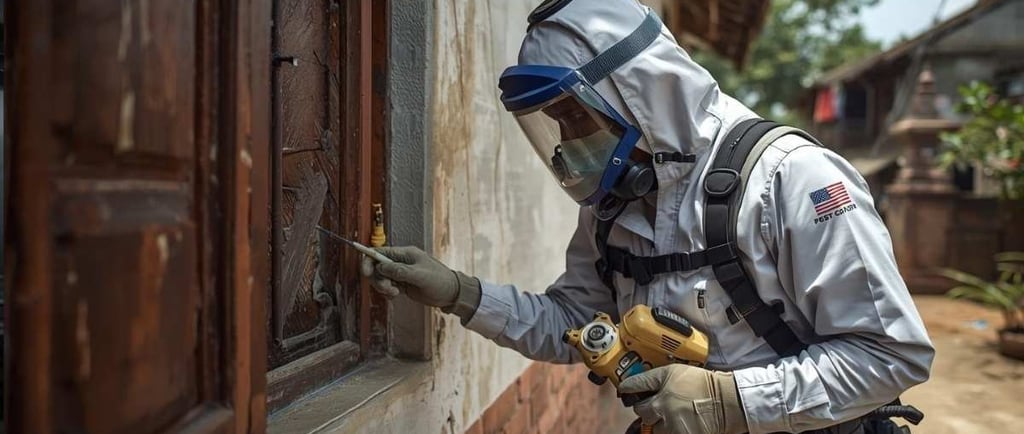
Pest control in urban Bangladesh necessitates the adherence to stringent safety protocols, particularly given the increasing risks posed by chemical treatments to human health and the environment. Professionals must follow established safety guidelines, which include wearing protective gear, such as gloves, masks, and goggles, to prevent direct contact with pesticides. Furthermore, it is essential to ensure that the areas being treated are evacuated, particularly for vulnerable populations including children and pets, to mitigate exposure to harmful substances.
In addition to safety protocols, maintaining an eco-friendly approach to pest control is crucial. As urban areas expand, the environmental impact of conventional pest control methods has come under scrutiny. Consequently, there has been a shift towards utilizing integrated pest management (IPM) techniques. IPM emphasizes a combination of biological control methods, habitat manipulation, and the usage of low-toxicity products. This multifaceted approach minimizes reliance on hazardous chemicals and promotes more sustainable pest management practices.
The importance of alternative products in pest management cannot be understated. Eco-friendly pesticides derived from natural sources often provide a safer option while effectively managing urban pest populations. Examples include the use of diatomaceous earth, which eliminates pests through dehydrating them, and essential oils, which can repel a variety of insects without posing significant health risks. Additionally, traps and barriers can be employed strategically, reducing the need for chemical-based solutions.
By implementing comprehensive safety protocols alongside eco-friendly pest control methods, pest management professionals in Bangladesh can protect both public health and the environment. This dual focus not only addresses immediate pest issues but also contributes to the long-term well-being of urban ecosystems and their inhabitants.
Understanding Pest Control Costs in Dhaka
When considering pest control services in Dhaka, several factors contribute to the overall costs incurred. The pricing often varies based on the type of pest involved, the extent of the infestation, and the methods employed for treatment. In most scenarios, residential pest control services can range from BDT 1,000 to BDT 5,000 for an initial inspection and treatment. This cost may include a comprehensive assessment by pest management professionals, who will evaluate the premises and identify specific pest concerns.
Subsequent treatments are generally required to effectively manage any persistent issues. Follow-up visits may be priced separately and can range from BDT 800 to BDT 3,000, depending on the complexity of the situation. More complicated infestations, such as those involving termites or rodents, could necessitate more extensive intervention and thus higher costs.
In addition to treatment costs, consumers should also be aware of potential hidden fees. For example, additional charges may arise from the need for specialized equipment or eco-friendly chemicals. Pest control experts may also provide periodic preventative maintenance, which could lead to additional monthly or quarterly service fees. Those services are particularly important in urban areas like Dhaka, where environmental conditions often favor pest proliferation.
When comparing costs, it is useful to evaluate pest control prices in Dhaka against regional pricing trends. Other cities in Bangladesh may have varying rates due to differences in the cost of living or the availability of services. In contrast to Dhaka, towns such as Chittagong or Sylhet often reflect reduced pricing, offering consumers several options depending on their specific needs.
Ultimately, understanding these cost drivers can help residents make informed decisions regarding pest control services, maximizing value while effectively addressing urban pest problems.
Why Government Licensing Matters in Pest Control
In Bangladesh, the importance of government licensing in pest control services cannot be overstated. Licensed pest control professionals are required to adhere to a set of regulations that ensure both safety and effectiveness in their methods. These regulations are established to protect public health, the environment, and the integrity of local ecosystems. Consequently, opting for licensed pest control services ensures that methods used are compliant with national laws, reducing the risk of harmful consequences that often arise when unlicensed individuals are employed.
Working with licensed pest control professionals brings several benefits. Firstly, licensed technicians undergo rigorous training and certification processes, equipping them with the necessary knowledge to handle pest control chemicals safely and effectively. This training includes understanding local pest species, the safest application techniques, and the potential health risks associated with improper use of pest control products. Thus, consumers can trust that licensed professionals will minimize these risks during their service, instilling confidence in their pest control efforts.
On the other hand, hiring unlicensed pest control services poses significant risks. Such providers may lack the requisite training, exposing clients to ineffective pest management solutions or, worse, hazardous situations regarding toxic chemicals. There are numerous reported cases where unlicensed operators have caused environmental damage or health hazards due to the improper handling of pest control substances. For instance, in some urban areas of Bangladesh, the use of unregulated pest control services has resulted in an uptick in pest populations due to ineffective treatments, showcasing the critical need for compliance with licensing requirements.
Thus, the role of government licensing in pest control is vital. It not only enforces industry standards but also guarantees consumer protection against subpar services and potential harm. By choosing licensed pest control operators, residents can ensure that their pest management practices are both safe and compliant.
Frequently Asked Questions about Urban Pest Control
1. How can I identify common urban pests in Bangladesh? Identifying pests is essential for effective pest control. In Bangladesh, common urban pests include cockroaches, ants, termites, and rodents. Each type has distinct features: cockroaches are dark brown with a flat body, ants are small and often seen in trails, termites display a soft body and are usually white, while rodents are identifiable by their fur-covered tails. Knowing these characteristics can help in early detection and prevention of infestations.
2. What are effective prevention tips to avoid pest infestations? Prevention is key to effective urban pest control. To deter pests, maintain cleanliness by regularly disposing of food waste and sealing entry points in your home. Ensure that windows and doors are fitted with screens and that cracks in walls or foundations are sealed. While keeping a tidy environment is crucial, be sure to store food in airtight containers to further reduce the likelihood of attracting pests.
3. How long does pest treatment take to show results? The timeline for pest control treatment can vary depending on the type of pest and the treatment method used. For instance, spray treatments may show results within a few days, while baiting systems might take several weeks to eliminate pests completely. Typically, it is advisable to allow at least two to three weeks after treatment to assess effectiveness. Regular follow-up treatments and inspections are recommended to prevent re-infestation.
4. How do I choose a reliable pest control service? Selecting a reputable pest control service is important for effective pest management. Look for companies with positive customer reviews and verified certifications. It is beneficial to choose a service that offers comprehensive assessments and customized treatment plans. Moreover, inquire about the types of pest control products used and ensure they align with safety standards, as the health of your family and the environment should be a top priority.
Address:
264/5, Kamal Soroni Road, Mirpur, Dhaka-1216
Contact
Your Quaries on pest control askings
pestexterminatorbd@gmail.com
+8801642008383 +8801988300003, 01723057746
© 2025. All rights reserved. to Urban Pest Control Pvt. Ltd. this site is powered by Our Own IT Team