
The Hidden Damage Pests Cause Before You Notice Anything
2/2/20267 min read
Introduction to Pest Infestations
Pest infestations are a common yet often overlooked issue faced by homeowners and business owners alike. These unwelcome intruders come in various forms, from rodents such as rats and mice to insects like termites, cockroaches, and bed bugs. Each type of pest poses unique threats that can result in significant harm to both property and health if not detected and addressed promptly.
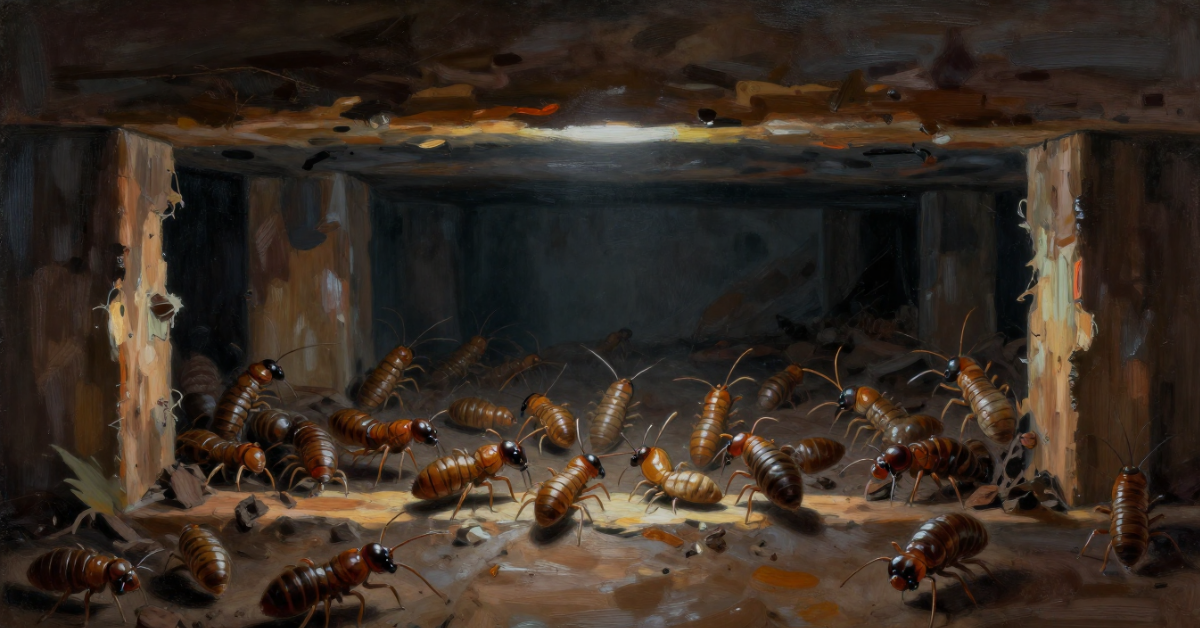
Among the different categories of pests, insects are particularly notorious for their propensity to hide and their ability to cause damage that may remain unnoticed for an extended period. For example, termites, often dubbed the "silent destroyers," can consume wood from the inside out, weakening structures without showing any external signs until the damage is extensive. Cockroaches, on the other hand, can contaminate food and surfaces with allergens and bacteria, affecting the health of inhabitants.
The importance of early detection in pest infestations cannot be overstated. Many pests begin their invasion nearly invisibly, with their presence detectable only through subtle signs, such as droppings or unusual smells. Homeowners and business operators may not realize that damage is occurring until it is too late, leading to costly repairs and potential health risks. Understanding what to look for and recognizing the prevalent types of pests can significantly mitigate the extent of damage incurred.
Additionally, timely intervention can save considerable time and financial resources over prolonged pest control efforts. Therefore, heightened awareness and vigilance are critical strategies for reducing the impact of pest infestations, safeguarding both property integrity and the well-being of occupants. As such, identifying the signs of pests early is an essential step in effective pest management.
Common Pests and Their Damage Patterns
Household pests, including rodents, termites, and cockroaches, are often more than mere nuisances; they can inflict serious, often hidden damage to property and pose significant health risks. Understanding the specific types of damage these pests can cause, along with their behaviors and nesting habits, is crucial in combating their presence.
Rodents, such as rats and mice, are notorious for their destructive tendencies. Their gnawing habits can compromise structural integrity by damaging insulation, walls, and even electrical wiring. This behavior not only creates potential fire hazards but also contributes to the risk of outdated electrical systems failing. Furthermore, rodents often nest in hidden spaces, making it challenging for homeowners to detect their presence until severe damage has occurred.
Termites are another common household pest, known primarily for feeding on wood. These infestations can go unnoticed for extended periods, as termites typically work from the inside out, compromising essential wooden structures within homes, such as beams and supports. This hidden destruction can lead to significant structural damage over time, posing safety risks without visible signs until it is too late. Early detection and intervention are vital in preventing the extensive costs associated with termite repair.
Cockroaches, while smaller, are equally damaging in their own right. Not only can they contaminate food and surfaces with their droppings and shed skin, leading to potential health risks, but they are also resilient creatures, capable of thriving in various environments. Their ability to reproduce rapidly can lead to overwhelming infestations where they nest in hard-to-reach areas, compounding the hidden damage to both physical structures and human health.
In conclusion, common pests such as rodents, termites, and cockroaches may seem innocuous at first glance. However, their behaviors and nesting habits contribute to significant and unseen damage that can impact both property and health. Awareness and proactive measures are essential in managing these pests effectively before the damage becomes irreversible.
Signs of Pest Infestation You Might Overlook
Pest infestations can be insidious, often developing unnoticed until significant damage has occurred. Homeowners must remain vigilant and aware of the subtle signs that may indicate the presence of pests. One of the most common yet often overlooked signs is unusual smells. A musty or foul odor may emanate from areas of the home harboring infestations, such as basements or attics. These odors are typically caused by pest droppings or decaying organic matter, hinting at a problem that requires immediate attention.
Additionally, the presence of droppings is another critical indicator of pest activity. Different pests leave varying droppings, with mice and cockroaches being some of the most common culprits in residential environments. These droppings not only signify that pests are present but can also lead to contamination of living spaces if not addressed. Homeowners should be thorough in their inspections, looking for droppings in corners, under furniture, and around potential entry points.
Small holes in walls or furniture can also be a sign of pest infestation. Carpenter ants and termites, for instance, create small openings as they tunnel through wood. Even minor holes can indicate substantial underlying damage to structures, leading to costly repairs if left unattended. Homeowners should inspect walls, ceilings, and woodwork for any signs of unusual wear, which may suggest infestation. Early detection is crucial; being proactive can save homeowners from extensive damage and the associated financial burden.
By remaining attentive to these subtle signs of pest infestations, homeowners can take the necessary steps to identify and eliminate the problem before it escalates. Regular inspections and maintenance can play a significant role in safeguarding the home against the unseen dangers posed by pests.
The Long-Term Effects of Pest Damage
Pest infestations can lead to significant long-term consequences that may not be immediately apparent. The effects of pests such as termites, carpenter ants, and rodents can compromise the structural integrity of a property. For instance, termites can eat away at wooden structures, gradually undermining beams, joists, and other essential components of a building. Over time, this degradation can result in severe damage that necessitates costly repairs or even complete reconstruction of affected areas.
Moreover, pests can cause damage that extends beyond mere structural issues. For example, rodents are known for gnawing on electrical wiring, which poses a fire hazard not only to the property but also to the safety of its occupants. This failure to address pest infestations can lead to escalating maintenance costs and potential insurance claims, ultimately burdening homeowners with unexpected expenses.
Additionally, pest damage can introduce significant health hazards. Certain pests, such as cockroaches and rodents, are known carriers of diseases that can be transmitted to humans. Leaving a pest problem unaddressed increases the likelihood of a health crisis within the home. The resultant exposure to allergens and pests can lead to long-term health issues, especially in vulnerable populations such as young children and the elderly.
Furthermore, as pest damage progresses, the need for extensive repairs grows more urgent and expensive. What might start as minor infestations can escalate into pervasive problems requiring professional remediation. Maintaining regular inspections and prompt responses to early signs of pest activity can help mitigate these risks, preserving both the structural integrity and safety of your home.
Methods for Early Detection and Prevention
Early detection and prevention of pest infestations are essential to mitigate the risks associated with hidden damage they may cause. Nonetheless, many homeowners may overlook the signs of pest activity until significant damage has occurred. Hence, engaging in regular inspections and employing effective monitoring techniques can be crucial in maintaining a pest-free environment.
One effective method for early detection is routine property inspections. Homeowners should develop a schedule to systematically examine their homes, particularly areas that are often prone to pest infestations, such as attics, basements, and crawl spaces. During these inspections, it is important to look for signs of pest activity, including droppings, burrows, or nests. Identifying any of these indicators promptly can provide an opportunity to address the issue before it escalates.
In addition to visual inspections, utilizing monitoring traps can be another method to detect pests early. These traps can be strategically placed in areas of high activity to capture insects or rodents, alerting homeowners to their presence before significant damage occurs. For instance, sticky traps for rodents or pheromone traps for insects can help determine the type and extent of infestation, thus guiding appropriate corrective action.
Preventative measures play a key role in minimizing the risk of infestations. Homeowners should ensure that their properties are well-sealed, fixing any gaps, cracks, or holes that may allow pests to enter. Regularly maintaining landscaping and filling potential breeding sites, such as standing water, can further reduce the risks of attracting pests. Additionally, keeping food stored securely and practicing proper sanitation can deter pest infestation.
By adopting these proactive strategies for detection and prevention, homeowners can better protect their homes from hidden pest damage.
Professional Pest Control: When to Call for Help
Pest infestations can escalate quickly, and recognizing the signs early is crucial for effective management. However, there are times when calling in professional pest control services is not only beneficial but necessary. Knowing when to seek professional assistance can save you significant time, effort, and money in the long run.
First and foremost, if you notice an increase in pest activity that is beyond what you are able to handle, it may be time to contact a pest control expert. Common indicators include significant droppings, nests, or damages caused by pests like rodents, termites, or cockroaches. Often, these signs point to an underlying issue that requires specialist knowledge to address effectively. The more you delay in addressing a pronounced infestation, the more severe the damage can become.
Professional pest control services have specialized tools and expertise that allow them to assess infestations accurately. Experts can conduct thorough inspections, utilizing advanced techniques to identify hidden populations of pests that may not be immediately visible. They are trained to recognize the early warning signs of pest activity that homeowners may overlook.
Furthermore, professionals employ targeted strategies to eliminate the problem. Rather than simply treating the symptoms, they address the root causes using integrated pest management strategies tailored to your specific situation. This holistic approach does not only eliminate the pests but also helps in preventing future infestations, making your property safer and healthier.
In summary, if pest problems persist despite your efforts, or if you are facing a large-scale infestation, it is advisable to consult with pest control professionals. Their in-depth knowledge and advanced resources ensure a comprehensive and effective solution, ultimately protecting your home from unseen dangers.
Conclusion and Call to Action
Pests are more than just a nuisance; they pose significant risks to the integrity of our homes and health. From destructive termites compromising structural foundations to rodents spreading diseases, the hidden impact of pest infestations can lead to costly repairs and long-term consequences. Early detection is crucial, as many signs of pest activity can be subtle or easily overlooked. Regular inspections, whether through professional services or thorough self-checks, can aid in identifying potential problems before they escalate.
By incorporating pest prevention into your home maintenance routine, you can reduce the likelihood of serious infestations. Simple measures such as sealing entry points, maintaining cleanliness, and regularly checking for signs of infestations can mitigate risks. Furthermore, being vigilant about environmental conditions that attract pests—such as moisture and food sources—can enhance the overall deterrence strategy.
In light of the various dangers pests present, it is imperative to prioritize pest management in your household plans. Those in high-risk areas should consider scheduling routine pest inspections, as this proactive approach can save homeowners from unexpected damages and health issues related to pest activity. Taking these steps demonstrates a commitment not only to property maintenance but also to the safety and well-being of all occupants.
As a call to action, we encourage all homeowners to assess their current pest management strategies and to seek professional guidance if uncertainties arise. Awareness and proactive measures can significantly diminish the hidden damage that pests can inflict, thereby ensuring a safer living environment for you and your family.
Address:
264/5, Kamal Soroni Road, Mirpur, Dhaka-1216
Contact
Your Quaries on pest control askings
pestexterminatorbd@gmail.com
+8801642008383 +8801988300003, 01723057746
© 2025. All rights reserved. to Urban Pest Control Pvt. Ltd. this site is powered by Our Own IT Team