
The Ultimate Guide to Choosing the Best Air Purifier for Home Use
3/7/20268 min read
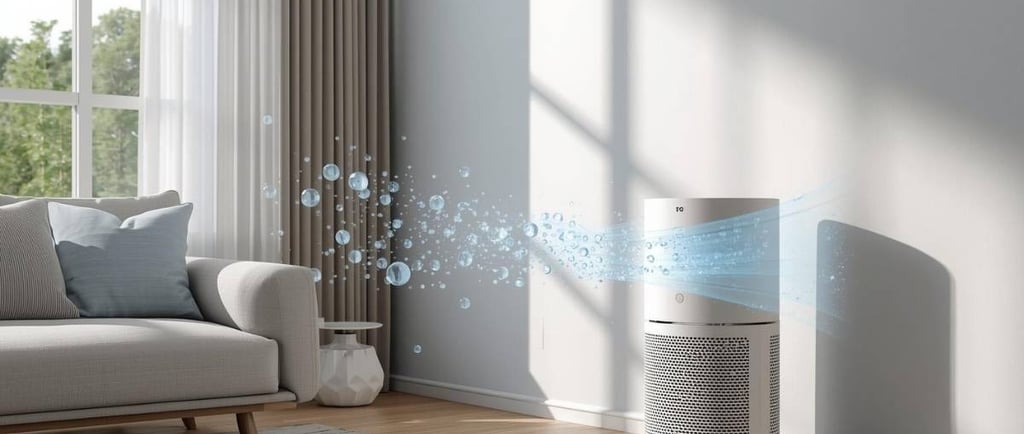
Understanding Indoor Air Pollution Problems
Indoor air pollution is a significant concern that can often be even more severe than outdoor air pollution. Various pollutants can accumulate within the home, leading to a range of health problems. One of the most common sources of indoor air pollution includes allergens such as dust mites, pollen, and pet dander. These allergens can trigger respiratory issues and exacerbate allergies, making it essential to address them effectively.
Another critical contributor to indoor air quality issues is the presence of volatile organic compounds (VOCs). These compounds are emitted from various household products, including paints, cleaning supplies, and furniture. Long-term exposure to VOCs can lead to significant health complications, affecting both the respiratory system and overall well-being. Ensuring proper ventilation when using these products can help in reducing their concentration in the air.
Mold is another hazardous indoor pollutant that thrives in damp environments. It not only contributes to unpleasant odors but also poses severe health risks, especially for individuals with compromised immune systems or existing respiratory conditions. Regularly inspecting areas prone to moisture, such as bathrooms and kitchens, can help mitigate mold growth.
The accumulation of these pollutants can create a formidable challenge for indoor air quality, leading to prolonged exposure issues. Symptoms may manifest as frequent headaches, fatigue, or respiratory problems. Furthermore, chronic exposure to poor indoor air quality can eventually lead to more serious long-term health complications.
In light of these pollutants, understanding the sources and effects of indoor air pollution is imperative. By taking measures to improve air quality, such as using an air purifier, homeowners can mitigate the adverse effects of these harmful substances.
The Benefits of Using Air Purifiers
Integrating air purifiers into your home environment offers a multitude of benefits, particularly in enhancing the overall quality of indoor air. One of the most significant advantages is the improvement of air quality. Air purifiers are designed to filter out various contaminants, including dust, pollen, pet dander, and smoke, which are common contributors to poor air quality. By effectively removing these pollutants, air purifiers create a healthier living space that promotes better breathing and overall well-being.
Moreover, air purifiers significantly reduce allergens and other harmful particles in the air, leading to a noticeable decline in allergy and asthma symptoms. This is especially beneficial for individuals or families who are sensitive to airborne irritants. As the filters in air purifiers capture these particles, users often report a marked improvement in their respiratory comfort.
Another noteworthy benefit is the positive impact on sleep quality. Cleaner air facilitates deeper and more restorative sleep, which is essential for both physical and mental health. Poor air quality can lead to disturbances during the night, contributing to insomnia or frequent waking. Therefore, utilizing an air purifier in the bedroom can foster a more conducive environment for sleep.
In addition to these physical benefits, the use of air purifiers can also elevate energy levels and daily productivity. A space with purified air not only feels fresher but can also enhance cognitive function, making it easier to focus and remain productive throughout the day. Clean air promotes better concentration, reducing fatigue and allowing for mental clarity.
Overall, the adoption of air purifiers is a proactive step toward achieving a healthier and more vibrant home environment.
Understanding HEPA Filtration Technology
HEPA, an acronym for High-Efficiency Particulate Air, signifies a standardized air filtration technology that is widely recognized for its ability to trap airborne particles. A true HEPA filter must meet specific efficiency ratings, capturing at least 99.97% of particles as small as 0.3 microns. This includes a variety of pollutants such as dust mites, pollen, pet dander, and smoke, making HEPA filters particularly beneficial for allergy sufferers and those with respiratory conditions.
The operational principle behind HEPA filters is relatively straightforward. As air flows through the filter, the fibers within it act like a barrier that obstructs contaminants. The combination of mechanical filtration and diffusion allows these filters to effectively capture even the tiniest of particles. When compared to non-HEPA filters, such as standard pleated or fiberglass filters, HEPA filters exhibit significantly improved performance in reducing indoor air pollution.
HEPA filters differ notably in design and efficiency from their non-HEPA counterparts. Non-HEPA filters often allow many particulate pollutants to pass through due to their lower density and less effective filtration mechanisms. As a result, air purifiers employing HEPA technology can deliver cleaner air and promote better overall health. It is crucial, however, to understand that the effectiveness of these filters is contingent on proper maintenance.
To ensure optimal performance, HEPA filters should be replaced periodically based on the manufacturer’s recommendations, typically every 6 to 12 months, or sooner if the purifier is used extensively. Additionally, regular cleaning of the pre-filters and ensuring the integrity of the HEPA filter will allow the air purifier to function efficiently. By adhering to these maintenance tips, homeowners can maximize the benefits of HEPA filtration technology, ensuring a healthier living environment.
How to Choose the Right Air Purifier for Your Space
When selecting an air purifier for your home, the first step is to consider the size of the space where it will be used. Air purifiers come with specific coverage areas, which are typically measured in square feet. For bedrooms, which often range from 100 to 400 square feet, compact models are suitable. In contrast, living rooms or larger open spaces may require more powerful units that can cover a wider area, ensuring that the air remains clean and fresh regardless of the pollution levels.
Next, it's vital to identify the types of pollutants that need addressing. Common categories include allergens such as dust mites, pet dander, and pollen, as well as odors and volatile organic compounds (VOCs). Depending on your unique environment, you may need a purifier with specialized filters, like HEPA filters for allergens, activated carbon filters for odors, or UV light features for bacteria and viruses. Understanding your specific needs will help you select an air purifier that effectively addresses the pollutants you are concerned about.
Noise levels can be a significant factor in your choice, especially if the air purifier is to be used in bedrooms or offices where quiet operation is preferred. Most models provide a noise level rating; opting for a unit that operates quietly can enhance comfort while filtering the air. Additionally, consider the cost of filter replacements, as regular maintenance is essential for effective air purification. Some air purifiers require frequent filter changes that can add to long-term expenses, while others may offer filters with longer lifespans.
Lastly, energy efficiency should not be overlooked. Units with Energy Star ratings are designed to consume less energy while providing effective air purification, reducing your overall utility costs. By carefully assessing these factors—room size, pollutant types, noise levels, filter costs, and energy efficiency—you can make an informed decision that suits your specific needs, ultimately enhancing your indoor air quality.
Comparing Different Types of Air Purifiers
When considering which air purifier is best for home use, it is essential to evaluate the various types of units currently available on the market. Each type of air purifier offers unique advantages and disadvantages tailored to different needs and preferences.
HEPA Purifiers: High-Efficiency Particulate Air (HEPA) purifiers are renowned for their ability to capture 99.97% of airborne particles that are 0.3 microns in size. This includes dust, pollen, pet dander, and certain types of bacteria. The primary advantage of HEPA purifiers is their high filtration efficiency, making them ideal for individuals with allergies or respiratory issues. However, they usually require periodic filter changes, which can incur additional costs over time.
Activated Carbon Purifiers: Known for their ability to remove odors and volatile organic compounds (VOCs), activated carbon purifiers are equipped with a porous substance that adsorbs harmful gases and fumes. These purifiers are particularly beneficial in environments with high levels of smoke or chemical exposure. However, they may not be as effective at trapping larger particles compared to HEPA purifiers, which can limit their overall effectiveness in some cases.
UV Purifiers: Ultraviolet (UV) purifiers use UV light to kill microorganisms such as bacteria, viruses, and mold spores in the air. The benefits include their ability to enhance overall air hygiene without the need for additional filters. However, while they effectively eliminate pathogens, they do not capture larger particles and thus should be used in conjunction with other filtration types for comprehensive purification.
Ionizers: Ionizing air purifiers release negatively charged ions into the air that attach to positively charged particles, causing them to clump together and fall to the ground. While ionizers can improve indoor air quality, there are concerns about ozone production, which may be harmful in elevated concentrations. Therefore, it is vital to choose ionizers that comply with safety standards.
In summary, each type of air purifier has its own set of strengths and limitations. Understanding these factors can aid consumers in making an informed decision that aligns with their unique air quality needs and preferences.
Expert Tips for Maximizing Air Purifier Efficiency
Air purifiers have become essential appliances in many households, particularly for those concerned about indoor air quality. To ensure these devices function effectively, several strategies can be employed. First, proper placement is crucial; air purifiers should be positioned in areas where air circulates freely, ideally in rooms where people spend the most time. Avoid placing them near walls, furniture, or curtains that may obstruct airflow. Strategically positioning the purifier can significantly enhance its ability to capture airborne pollutants.
Regular maintenance is another aspect that plays a vital role in maximizing air purifier efficiency. It is important to replace filters according to the manufacturer's instructions, as clogged filters can impede airflow and reduce purification effectiveness. Additionally, cleaning the pre-filters, if applicable, should be done frequently to maintain optimal performance. Regular monitoring of the filter indicator light on the device can remind users when it is time for a change.
Knowing when to run the air purifier can also improve performance. For optimum results, consider operating it continuously, especially in environments with high pollen counts or during peak allergy seasons. Many modern purifiers offer smart features that allow them to operate automatically based on air quality sensors—utilizing this technology can help maintain clean air effortlessly.
Furthermore, combining air purifiers with other air quality improvement strategies can yield significant benefits. Activities such as regular dusting, using natural cleaning products, and ensuring proper ventilation contribute to reducing indoor pollutants. Regularly opening windows can enhance airflow and lower concentrations of indoor air contaminants, complementing the air purifier's function.
Buying Advice and Considerations
When selecting an air purifier for home use, there are several key factors to consider, including filtration technology, room size compatibility, and maintenance requirements. The type of filter is particularly important, as it determines the effectiveness of the unit in removing pollutants such as dust, pollen, pet dander, and smoke from the air. HEPA (High-Efficiency Particulate Air) filters are widely regarded as the gold standard in air purification, capturing at least 99.97% of particles that are 0.3 microns or larger.
Another important consideration is the Clean Air Delivery Rate (CADR), which indicates the volume of cleaned air delivered per minute. A higher CADR rating is essential for larger spaces where pollutants accumulate quickly. Additionally, assessing the recommended room size ensures that you choose a unit powerful enough to effectively purify your living environment.
While functionality is paramount, other factors should not be overlooked. Consider energy efficiency, as air purifiers run continuously, leading to higher utility bills. Look for units that are ENERGY STAR certified to ensure lower energy consumption. Also, check for noise levels, especially if the purifier will be used in bedrooms or study areas. Many modern units now offer quiet operation modes, which enhance user comfort.
Reading customer reviews can provide valuable insights into the reliability and longevity of specific brands and models. It is also wise to inquire about warranty and return policies before making a purchase. This ensures that you have recourse in case of defects or dissatisfaction with the product. Lastly, the market includes several reputable brands, such as Dyson, Honeywell, and Coway, known for their quality and effectiveness. Always conduct thorough research to find an air purifier that best meets your individual needs.
To help summarize the options, a final table of the top air purifiers based on factors like efficiency, price, and additional features will be included in the blog post. This table will serve as a quick reference guide for informed decision-making when choosing the ideal air purifier for your home.
Address:
264/5, Kamal Soroni Road, Mirpur, Dhaka-1216
Contact
Your Quaries on pest control askings
pestexterminatorbd@gmail.com
+8801642008383 +8801988300003, 01723057746
© 2025. All rights reserved. to Urban Pest Control Pvt. Ltd. this site is powered by Our Own IT Team