
The Ultimate Guide to Pest Control: Solutions for Homeowners in the USA, UK, Canada, Australia, and UAE
The Ultimate Guide to Pest Control: Solutions for Homeowners in the USA, UK, Canada, Australia, and UAE
1/29/20268 min read
Understanding Common Household Pests
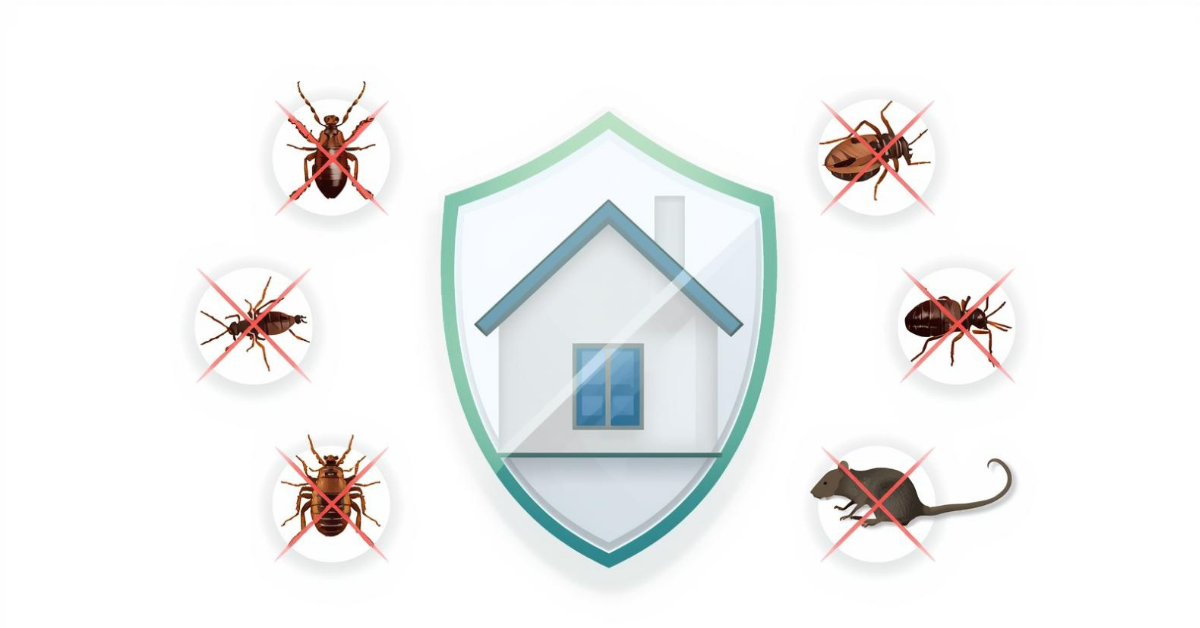
Household pests are a prevalent concern for homeowners in various regions, including the USA, UK, Canada, Australia, and UAE. Identifying these pests is crucial in maintaining a healthy living environment. Among the most commonly encountered pests are termites, bed bugs, cockroaches, ants, rodents, and mosquitoes, each with unique behaviors and potential threats.
Termites are notorious for their ability to silently compromise the structural integrity of homes by feeding on wood. These pests thrive in moist environments and can cause extensive damage before their presence is even detected. Homeowners must be vigilant, as termite infestations can lead to significant repair costs.
Bed bugs have gained notoriety for their resilience and ability to spread quickly, often hitching rides on luggage or clothing. These nocturnal pests feed on human blood and can result in itchy welts. Their presence can lead to not only physical discomfort but also substantial psychological distress for affected individuals.
Cockroaches are another common household nuisance. These pests are known for their rapid reproduction rates and can contaminate food and surfaces with pathogens. They are often attracted to areas with food residue and moisture, making kitchens and bathrooms prime targets for infestation.
Ants, although often perceived as harmless, can pose serious problems when they infiltrate homes in search of food. Different species have distinct behaviors, with some capable of forming colonies that expand rapidly. They can damage plants and contaminate food, making it essential for homeowners to address ant problems promptly.
Rodents, including mice and rats, are not only destructive but also vectors for various diseases. These pests can chew through electrical wiring and insulation, increasing fire risks and causing costly repairs. As they search for food and shelter, they may also compromise indoor air quality.
Finally, mosquitoes, while more common in warmer climates, can be a nuisance and health risk due to their ability to transmit diseases such as West Nile virus and Zika virus. Their presence indicates stagnant water sources nearby, making it crucial for homeowners to eliminate standing water to reduce breeding sites.
Understanding these common household pests and their behaviors is essential for effective pest management. Homeowners who are aware of the signs of infestation and the potential damage these pests can inflict will be better equipped to take proactive measures in pest control.
Professional Pest Control Solutions
Homeowners facing pest issues often turn to professional pest control services to effectively tackle infestations. These services provide a variety of treatments tailored to specific pests, ensuring a comprehensive approach to pest management. Among the most common solutions are chemical sprays, heat treatments for bed bugs, and fumigation for termites.
Chemical sprays are widely used for a variety of pests such as ants, roaches, and spiders. These treatments utilize pesticides that are targeted at the species causing the infestation. Experienced pest control professionals will assess the affected areas and select the most suitable chemical agent, ensuring it is applied safely and effectively while minimizing risks to residents and pets.
Heat treatments are specifically designed to combat bed bugs, which are notoriously difficult to eliminate. This method involves raising the temperature in infested spaces to a level that is lethal to bed bugs, including their eggs. Not only is heat treatment environmentally friendly, as it often requires little to no chemical use, but it also provides rapid results, often within a single day.
Fumigation is a more extensive procedure typically used for severe termite infestations. This method envelops the entire structure with a gas that penetrates wood and other materials, ensuring that all termites are eradicated. Fumigation requires precise handling and is usually conducted by certified professionals who ensure that the home is safe for re-entry post-treatment.
When selecting a reputable pest control service, homeowners should consider several factors, including experience, customer reviews, and certifications. It is essential to engage with a company that conducts thorough inspections prior to treatment, allowing them to accurately identify the pest issue and recommend an appropriate solution. Homeowners can expect a professional pest inspection to include an assessment of the home’s interiors and exteriors, identifying potential entry points and conducive conditions for pest infestations.
DIY Pest Control Methods
In addressing pest issues in the home, many homeowners often explore do-it-yourself (DIY) pest control methods before considering professional assistance. These strategies can be effective for managing various pests, ranging from insects to rodents, while also being budget-friendly.
For natural and homemade solutions, several ingredients commonly found in the kitchen can act as effective repellents. For instance, vinegar, baking soda, and essential oils such as peppermint or tea tree oil can deter common pests like ants and spiders. A solution of vinegar and water sprayed around entry points can help repel these unwelcome guests. Similarly, essential oils mixed with water and used as a spray can safeguard your home naturally.
When dealing with rodents, traps present a practical DIY option. Snap traps and electronic traps can provide quick results and are available in various sizes to tackle different types of rodents. Baiting traps with peanut butter or dried fruit typically increases their effectiveness. Additionally, ensuring that potential food sources are sealed and reducing clutter can prevent rodent infestations.
However, while these DIY pest control methods can be effective, it's essential to exercise caution. Homeowners should always read the instructions carefully, particularly when handling homemade mixtures or traps. Moreover, there are situations where professional pest control services should not be overlooked. For extensive infestations or toxic pest issues, it’s wise to consult with experts who can provide tailored solutions and ensure safety.
Overall, understanding the balance between DIY efforts and when to seek professional help is crucial for effective pest management. Using natural solutions and traps can offer significant control, but knowing the right time to escalate the issue is key to maintaining a pest-free home.
Cost Comparison of Pest Control Options
When considering pest control solutions, homeowners face a significant decision regarding whether to hire a professional service or to address the issue through DIY methods. Each option carries distinct advantages and costs that need to be carefully analyzed.
Hiring a professional pest control service generally incurs an average cost that varies based on several factors, including the type of pest, the severity of the infestation, and the geographical location. For instance, basic pest control services may range from $100 to $300, while specialized treatments, such as termite treatment, can escalate from $1,000 to over $5,000 based on the size of the infestation and the treatment method chosen. Regular inspections, typically recommended once a year, can add to the overall expense but are valuable for preemptively addressing potential infestations.
On the other hand, DIY pest control methods often present a more budget-friendly alternative. Homeowners can purchase over-the-counter pesticides or traps, with costs typically ranging from $10 to $50 per treatment. Although this option can prove economical, it is essential to consider the potential need for repetitive applications, which could accumulate costs over time. Additionally, DIY solutions may not be as effective depending on the pest species and may lead to prolonged infestations.
Furthermore, long-term financial implications must also be taken into account. While DIY methods may initially appear cheaper, ineffective treatment can result in larger pest problems down the line, ultimately leading to increased costs related to repairs or professional interventions. Conversely, the upfront costs of professional pest control may yield better long-term results through a comprehensive approach that addresses not only the immediate problem but also preventative measures to avoid future infestations.
In conclusion, the choice between professional pest control and DIY methods involves weighing the immediate costs against potential long-term savings. Homeowners should evaluate their specific situations, including pest type and infestation severity, to make an informed decision.
Safety Tips for Pest Control
When undertaking pest control measures, ensuring safety is of utmost importance. Homeowners in the USA, UK, Canada, Australia, and UAE must be well-informed about the precautions necessary when using chemical treatments, handling traps, and managing pests in general.
First and foremost, it is essential to read and thoroughly understand the labels of any pesticides or chemicals used. These labels contain crucial information about the product, including potential hazards, recommended protective equipment, and first aid instructions. Always wear appropriate gloves, goggles, and masks when handling chemicals to avoid any exposure that could lead to health issues. Furthermore, it is advisable to ensure adequate ventilation in the treated area by opening windows and doors, which minimizes the accumulation of potentially harmful fumes.
When treating spaces where children and pets are present, it is vital to ensure their safety first. Consider scheduling pest treatments during times when children and pets are away from home. Securing food items and toys in treated areas will help ensure that they do not come into contact with harmful substances. Additionally, some chemicals can remain hazardous even after treatment; hence, adhering to the waiting periods indicated on the product label is crucial.
In the case of traps and bait stations, they should be placed out of reach of children and pets. This precaution applies especially when using rodenticides or traps for larger pests, which could pose a risk to non-target animals. It is critical to check these devices regularly to avoid prolonged suffering of trapped animals.
Lastly, homeowners should recognize the signs of chemical exposure, such as dizziness, nausea, headaches, or skin irritation. If any of these symptoms occur, immediate medical attention should be sought. By following these safety tips, homeowners can ensure a more effective and safe pest control process.
Eco-Friendly Pest Control Solutions
As the global focus shifts towards sustainability, homeowners are increasingly seeking eco-friendly pest control solutions. The goal is to manage pest problems without compromising the environment. Organic pesticides present a valuable alternative to traditional methods. These products are derived from natural sources, designed to minimize harm to the ecosystem while effectively targeting specific pests.
In addition to organic pesticides, natural repellents can also play a significant role in pest management. Common ingredients such as essential oils—like peppermint or citronella—can deter bugs without the use of harsh chemicals. Homeowners can easily create their own repellent sprays using these natural ingredients, providing a safe and effective barrier against unwanted pests. Not only do these solutions reduce exposure to harmful substances, but they also promote a healthier living space.
Sustainable practices are also critical in creating an eco-friendly pest control strategy. Maintaining a clean and clutter-free environment can significantly reduce pest attractants. This includes sealing cracks and openings in a home’s structure, removing standing water, and ensuring food is properly stored. Crop rotation and companion planting in gardens can further enhance pest control, promoting a healthy ecosystem that naturally wards off pests.
Moreover, integrating beneficial insects, such as ladybugs or lacewings, helps in natural pest control by preying on invasive species. This method not only curbs pest populations but also contributes to biodiversity. Homeowners in various regions, including the USA, UK, Canada, Australia, and UAE, can tailor their eco-friendly techniques to suit their local environments, ensuring pest control efforts are both effective and responsible.
Prevention and Maintenance Guides
Effective pest control requires not only responsive measures to deal with infestations but also proactive strategies to prevent them. Homeowners in the USA, UK, Canada, Australia, and UAE can implement simple yet effective practices that can drastically reduce the risk of pest problems. One of the primary preventive measures is sealing potential entry points. This involves inspecting the exterior of the home regularly and fixing any gaps, cracks, or holes in walls, windows, and doors. Maintaining a seal on these entry points will hinder pests such as rodents and insects from gaining access to your living space.
In conjunction with sealing entry points, maintaining clean living spaces is vital. Regular cleaning routines should include diligent kitchen sanitation to eliminate food debris, which can attract various pests. Ensuring that food is stored in airtight containers and promptly disposing of garbage will also help in diminishing pest attraction. Additionally, it is essential to keep clutter to a minimum, as cluttered environments offer hiding spots for pests, making it easier for infestations to begin.
Routine inspections are another critical aspect of a comprehensive pest prevention strategy. Homeowners should conduct periodic checks of their properties, paying close attention to basements, attics, and other less-frequented areas. This proactivity can help in identifying early signs of pest activity, allowing for timely intervention before an infestation escalates.
To aid homeowners in maintaining these practices effectively, the following checklist can serve as a guide for ongoing pest control maintenance: 1. Seal cracks and gaps in the structure of the home. 2. Regularly clean and sanitize kitchen surfaces and storage areas. 3. Remove clutter and potential hiding spots for pests. 4. Schedule periodic inspections of hard-to-reach areas. 5. Stay informed about common local pests and their seasonal behaviors. 6. Engage a professional pest control service for inspections and treatments as necessary.
Address:
264/5, Kamal Soroni Road, Mirpur, Dhaka-1216
Contact
Your Quaries on pest control askings
pestexterminatorbd@gmail.com
+8801642008383 +8801988300003, 01723057746
© 2025. All rights reserved. to Urban Pest Control Pvt. Ltd. this site is powered by Our Own IT Team