
Top 10 Health Effects of Air Pollution You Should Never Ignore
2/24/20268 min read
Understanding Air Pollution: What You Need to Know
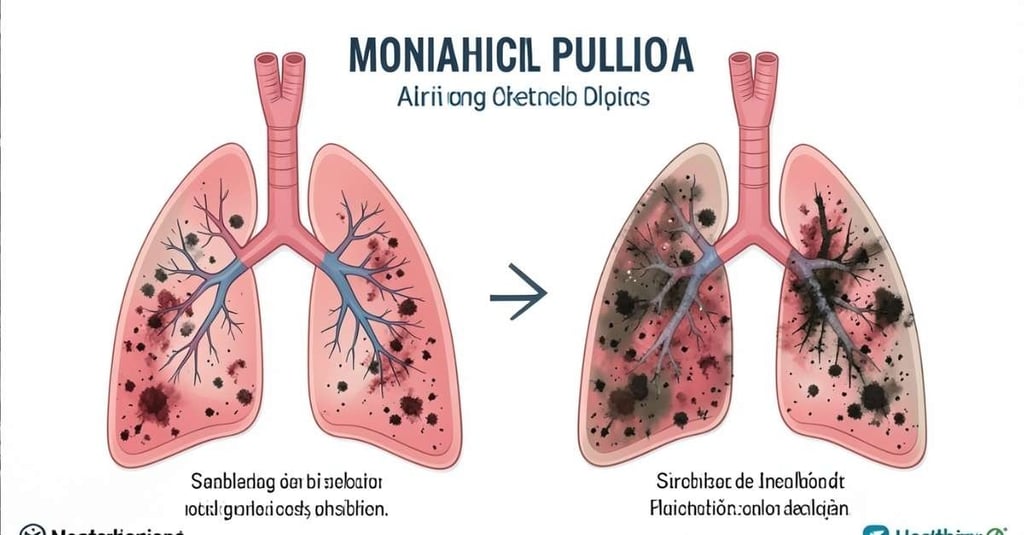
Air pollution refers to the introduction of harmful substances into the atmosphere, leading to adverse effects on both health and the environment. This phenomenon is a complex mixture of pollutants that can vary greatly in chemical composition and their specific sources. Among the most concerning pollutants are particulate matter (PM), particularly PM2.5, which consists of tiny particles with a diameter of fewer than 2.5 micrometers. Due to their small size, these particles can penetrate deep into the lungs and even enter the bloodstream, posing significant health risks.
The sources of air pollution can be categorized into natural and anthropogenic (human-made) contributors. Natural sources include dust storms, wildfires, and volcanic eruptions, which can all release large amounts of particulate matter and gases into the atmosphere. However, the majority of air pollution is generated by human activities. Major industrial processes, vehicle emissions, construction activities, and agricultural practices contribute significantly to the deterioration of air quality. Fossil fuel combustion for energy production is another critical source, leading to the release of sulfur dioxide, nitrogen oxides, and carbon monoxide.
The health impacts of air pollution are profound and far-reaching. Exposure to polluted air has been linked with respiratory diseases, cardiovascular conditions, and even premature death in vulnerable populations. Children, the elderly, and those with pre-existing health issues are particularly susceptible. Studies have shown that long-term exposure to high levels of particulate matter can lead to chronic respiratory diseases and adversely affect lung development in children.
Understanding air pollution and its sources is essential for developing effective strategies for mitigation and improving public health. Awareness of the types of air pollutants, their origins, and their impacts can empower individuals and communities to advocate for cleaner air and healthier living environments.
Short-Term vs Long-Term Exposure to Air Pollution
Air pollution poses significant health risks, with effects that vary widely based on the duration of exposure. Short-term exposure, often resulting from events such as smog, wildfires, or industrial discharges, can lead to immediate health issues. Individuals may experience respiratory problems, aggravated asthma, or other acute symptoms. For example, short-lived increases in particulate matter can provoke coughing, throat irritation, and heightened difficulty in breathing. Vulnerable populations, including children, the elderly, and those with preexisting health conditions, are particularly susceptible to these rapid impacts, as their respiratory systems may react more severely to airborne pollutants.
On the other hand, long-term exposure to air pollution is associated with a slew of chronic health conditions that can dramatically affect quality of life. Prolonged inhalation of pollutants, such as fine particulate matter (PM2.5) or nitrogen dioxide (NO2), has been linked to the development of respiratory diseases, cardiovascular complications, and even certain types of cancer. Studies have shown that individuals living in areas with high pollution levels may experience an increased risk of chronic obstructive pulmonary disease (COPD) and heart disease over time. Furthermore, the impacts of long-term exposure are not limited to physical health; they can also extend to cognitive functions, contributing to conditions such as dementia and other neurodegenerative diseases.
The cumulative toll of lasting exposure to poor air quality reinforces the necessity for effective pollution control measures. Public health initiatives focusing on improving air quality can lead to significant long-term benefits, reducing chronic disease incidence and enhancing community well-being. Recognizing the differences between short-term and long-term exposure to air pollution is crucial for understanding its comprehensive health implications and motivates action toward cleaner air.
The Impact of Air Pollution on Children and the Elderly
Air pollution is a significant environmental health risk, particularly affecting vulnerable populations like children and the elderly. Children are especially susceptible due to their developing bodies and respiratory systems. Exposure to harmful air pollutants, such as particulate matter, sulfur dioxide, and nitrogen dioxide, has been linked to a range of health issues, including an increased risk of lung diseases and the aggravation of asthma. Research indicates that air pollution can contribute to decreased lung function in children, potentially leading to lifelong respiratory problems. Asthmatic children are often more severely affected, as air pollutants can act as triggers for asthma attacks, leading to emergency room visits and hospitalizations.
Furthermore, the developmental effects of air pollution on children cannot be overlooked. Studies show that exposure during critical periods of development may lead to cognitive impairments and behavioral problems. Children who live in areas with high levels of air pollution are at a greater risk for learning disabilities and reduced IQ scores. Such developmental issues can have lasting impacts on their education and overall quality of life.
Similarly, the elderly population experiences heightened sensitivity to air pollutants. As individuals age, their respiratory systems naturally weaken, making them more vulnerable to the adverse effects of air pollution. This increased sensitivity leads to a higher incidence of respiratory diseases, cardiovascular problems, and overall decline in health. Elderly individuals often have pre-existing health conditions that can be exacerbated by poor air quality, resulting in increased morbidity and mortality rates.
In conclusion, both children and the elderly face significant health risks due to air pollution. The potential for respiratory diseases, asthma, and developmental challenges highlights the urgent need for effective air quality management to protect these at-risk groups. Ensuring cleaner air is vital for safeguarding the health and wellbeing of our most vulnerable populations.
Cardiovascular and Neurological Risks Associated with Air Pollution
Air pollution is a significant environmental and public health issue that poses critical risks to cardiovascular and neurological health. Exposure to pollutants such as particulate matter (PM), nitrogen dioxide (NO2), and sulfur dioxide (SO2) has been linked to various adverse health effects, particularly concerning the heart and brain. Studies indicate that these pollutants can lead to the development of heart disease and increase the likelihood of stroke.
One of the primary mechanisms by which air pollution affects cardiovascular health is through systemic inflammation. Inhaled pollutants enter the bloodstream and can trigger a series of inflammatory responses that damage blood vessels, leading to atherosclerosis, or the hardening of arteries. This condition significantly raises the risk of heart attacks and strokes. Furthermore, exposure to air pollution has been correlated with increased blood pressure and changes in heart rate variability, both of which are indicators of cardiovascular distress.
Additionally, the impact of air pollution extends beyond the cardiovascular system to neurological health. Recent research has shown a concerning correlation between long-term exposure to air pollutants and cognitive decline. Pollutants may compromise blood-brain barrier integrity, leading to chronic inflammation and neuronal damage. This damage is associated with neurodegenerative diseases, such as Alzheimer's and Parkinson's, highlighting the substantial connection between environmental factors and brain health.
The compounding effects of air pollution serve as a clarion call for improved air quality management and public health interventions. Understanding the profound impacts of these environmental hazards on cardiovascular and neurological systems is vital for developing effective policies aimed at reducing pollution levels and protecting community health.
Pregnancy Complications Linked to Air Quality
Air pollution represents a significant public health concern, particularly for vulnerable populations such as pregnant women. Research indicates that exposure to various air pollutants, including particulate matter (PM), nitrogen dioxide (NO2), and sulfur dioxide (SO2), can lead to severe complications during pregnancy. These complications often manifest as low birth weight, preterm births, and developmental issues for newborns.
Low birth weight, defined as a weight of less than 5.5 pounds at birth, is one of the most alarming outcomes associated with air pollution. Infants born with low birth weight are at a higher risk of facing health challenges both in the immediate postnatal period and as they grow. Pollutants can interfere with the placental environment, restricting oxygen and nutrient delivery to the fetus. Studies have shown that women exposed to high levels of air pollution may give birth to babies with lower weights than expected. This correlation underscores the importance of mitigating air quality issues to protect the health of mothers and infants.
Furthermore, air pollution has been linked to an increased risk of preterm birth, which occurs when a baby is born before 37 weeks of gestation. Preterm births can lead to numerous health problems for the child, ranging from respiratory difficulties to developmental delays. Research strongly suggests that exposure to air pollutants during the critical stages of pregnancy elevates chances of premature labor
In addition to the direct impacts on newborn health, pregnant women themselves may experience significant health issues as a result of air pollution. Maternal exposure to air contaminants can result in higher stress levels, increased occurrences of gestational diabetes, and elevated blood pressure, all of which contribute to negative pregnancy outcomes. Recognizing these risks emphasizes the importance of maintaining air quality and encourages expectant mothers to be vigilant about their exposure to environmental pollutants.
Cancer Risks Related to Air Pollution Exposure
Air pollution has been extensively studied for its detrimental effects on human health, with a particular focus on its association with increased cancer risks. Numerous epidemiological studies have illustrated a strong link between long-term exposure to air pollutants and the development of various cancers, most notably lung cancer. The carcinogenic properties of certain particulate matter, especially PM2.5, cannot be overstated, as these fine particles can penetrate deep into the respiratory system and subsequently enter the bloodstream.
Research has shown that individuals residing in areas with high levels of air pollution are at a significantly elevated risk of developing lung cancer. A study published in the Journal of Environmental Health Perspectives found that prolonged exposure to PM2.5 is correlated with increased incidences of this particular cancer. Similarly, the World Health Organization (WHO) has classified outdoor air pollution as a known carcinogen, providing further evidence of the health risks associated with contaminated air.
The mechanism through which air pollution contributes to cancer development involves complex biological processes. Carcinogenic substances within polluted air can lead to genetic mutations, inflammation, and oxidative stress. PM2.5, which consists of tiny particles with a diameter of less than 2.5 micrometers, carries harmful chemical compounds that can disrupt cellular functions and promote tumorigenesis. Studies indicate that chronic exposure to these pollutants not only raises the risk of lung cancer but may also influence the development of other cancers, including bladder, breast, and prostate cancers.
Overall, the implications of air pollution on cancer risk are profound and warrant immediate attention. As cities continue to grapple with the adverse effects of pollution, it is crucial to recognize the link between airborne contaminants and cancer, underscoring the need for effective regulations and public health measures to mitigate exposure.
Preventive Measures and Indoor Air Purification Tips
Air pollution presents a significant risk to public health, contributing to a range of respiratory and cardiovascular issues. To mitigate the effects of both outdoor and indoor air pollution, families should adopt practical preventive measures that enhance the quality of the air they breathe. One effective strategy is to monitor air quality levels in your area. This can be achieved by utilizing local air quality indices or apps designed to provide real-time data. On days when pollution levels are high, it is advisable to limit outdoor activities, especially for children, the elderly, and those with pre-existing health conditions.
Indoor spaces can often harbor pollutants that contribute to degraded air quality. To combat this, employing air purifiers equipped with HEPA filters can be beneficial. These purifiers effectively capture particulate matter, dust, and allergens, making the indoor environment cleaner and safer. It is recommended to place air purifiers in commonly used rooms, such as the living room and bedrooms, to enhance overall air quality.
Additionally, regular ventilation of indoor spaces can significantly reduce indoor air pollution. Opening windows when outdoor air quality permits can help dilute indoor contaminants. Moreover, it is crucial to maintain a clean home. Frequent dusting, vacuuming with HEPA filters, and minimizing the use of chemical-based cleaning products can help reduce allergens and toxic substances in the air.
Utilizing plants such as snake plants, spider plants, and peace lilies can also contribute to improving indoor air quality as they are known to absorb certain toxins. However, ensure that plant care does not introduce mold or other allergens into the environment. By following these measures and incorporating air purification strategies within the home, families can significantly reduce their exposure to air pollutants, ultimately fostering a healthier living space.
Address:
264/5, Kamal Soroni Road, Mirpur, Dhaka-1216
Contact
Your Quaries on pest control askings
pestexterminatorbd@gmail.com
+8801642008383 +8801988300003, 01723057746
© 2025. All rights reserved. to Urban Pest Control Pvt. Ltd. this site is powered by Our Own IT Team