
Top 10 Ways to Prevent Termites in Dhaka Homes
Top 10 Ways to Prevent Termites in Dhaka Homes
1/27/20267 min read
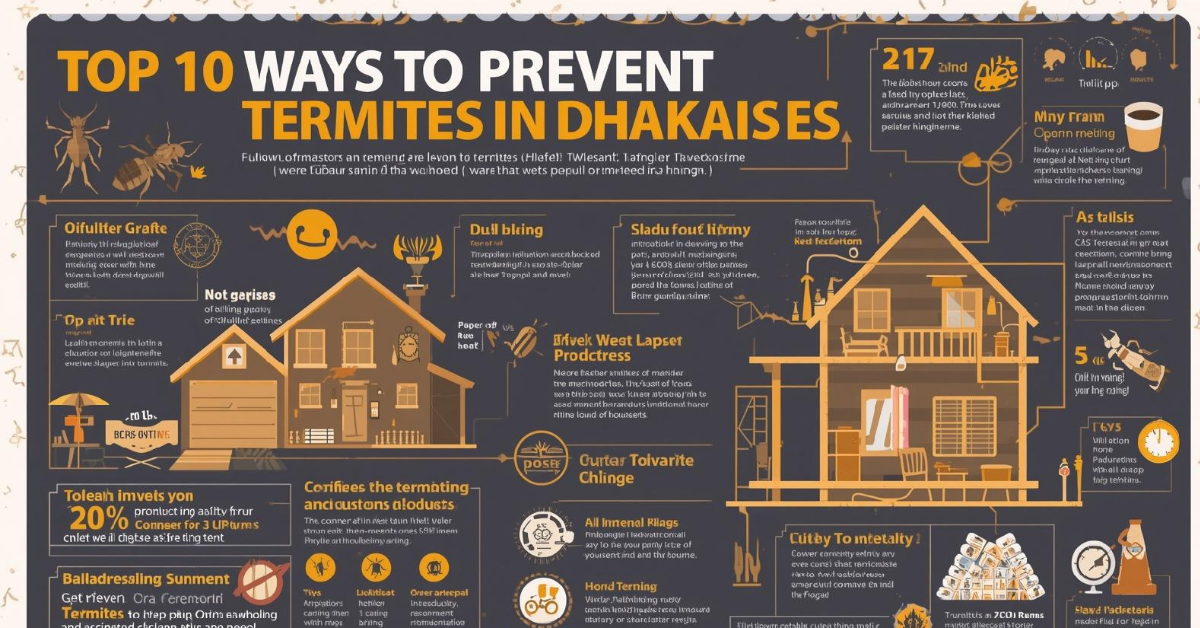
Understanding Termites and Their Impact
Termites are small, social insects that primarily feed on cellulose-based materials, which are abundant in wooden structures. In Dhaka, various species of termites can be found, with the most common being the subterranean termites, drywood termites, and dampwood termites. Each of these species poses unique challenges for homeowners, as their feeding habits can lead to significant structural damage.
The biology of termites is fascinating; they live in colonies often comprising thousands of individuals. A typical colony includes a queen, king, workers, and soldiers, each playing a vital role. Worker termites are responsible for foraging for food, which often includes the wooden elements of homes. Their activity can go unnoticed for months or even years until the structural damage becomes evident.
Termites are notably attracted to wooden structures mainly due to the cellulose they contain. They thrive in warm, moist environments, making certain areas of Dhaka particularly vulnerable to infestations. This preference for wood creates a substantial risk for homeowners, as termites can quickly compromise the integrity of wooden beams, flooring, and furniture. A termite infestation often leads to costly repair bills and extensive reconstruction work, impacting not just the structure but also the safety of the inhabitants.
It is essential for homeowners to be aware of the signs of termite activity, which may include mud tubes, frass (wooden pellets), and hollow-sounding wood. Proactive measures and an understanding of the biology and behavior of termites can help mitigate the risks associated with these pests. Educating oneself about the types of termites common in Dhaka and their potential impact on homes is the first step towards effective prevention.
Identifying Signs of Termite Infestation
Detecting the presence of termites early is crucial for homeowners in Dhaka, as these pests can cause significant damage to wooden structures and furnishings. One of the primary indicators of a termite infestation is the appearance of mud tubes. These tubes, which resemble small, pencil-like structures, are often found along walls, foundations, and within the soil. They serve as highways for termites as they traverse between their food source and the nest, protecting them from predators and environmental elements.
Another common sign is the presence of discarded wings. When reproductive termites swarm to establish new colonies, they shed their wings—a behavior that often goes unnoticed until it accumulates in small piles near entry points or windowsills. Homeowners should be vigilant about such remnants, as they can indicate a nearby colony that may require immediate attention.
Frass, the droppings of termites, is another crucial symptom to watch for. It resembles small wood-colored pellets and often gathers near infested areas. The presence of frass suggests that termites are actively consuming wood structures, making it imperative to investigate further and consult with pest control experts if discovered.
Timely identification of these signs can lead to quick intervention, greatly reducing the potential for extensive damage. Homeowners should also consider seeking professional help for pest control assessments if they observe multiple signs of activity. Licensed pest control professionals can thoroughly inspect properties, provide comprehensive advice, and recommend effective treatments to manage termite infestations efficiently. Staying informed and proactive is essential for maintaining a termite-free home.
Keeping Moisture Levels in Check
Moisture control plays a pivotal role in the prevention of termite infestations, particularly in regions like Dhaka, where humidity levels can be notably high. Keeping your home dry not only enhances your living conditions but also serves as a formidable tactic against these wood-destroying pests. Termites are naturally attracted to damp and moist environments, which facilitate their survival and reproduction.
One of the primary steps homeowners can take in managing moisture levels is to promptly address any plumbing leaks or water issues. Leaks in pipes, faucets, or appliances can create zones of high humidity, making them breeding grounds for termites. Regular checks and timely repairs of plumbing systems can effectively curtail any potential moisture retention, thereby reducing the risk of termite attraction.
In addition to fixing leaks, the installation of dehumidifiers can significantly aid in regulating indoor humidity levels. Dehumidifiers extract excess moisture from the air, helping to maintain a comfortable and dry atmosphere in your home. This is particularly important in areas prone to moisture, such as basements and crawl spaces. Keeping these areas dry is essential, as they are often at higher risk for termite intrusion.
Proper drainage around your home’s foundation is crucial for preventing water accumulation, which can lead to increased moisture levels. Homeowners should ensure that soil slopes away from the foundation to facilitate effective drainage. Installing gutters and downspouts can further channel water away from the home, minimizing the risk of water pooling near the foundation. Additionally, maintaining clear drainage paths and regularly inspecting for blockages can help maintain proper drainage systems.
By diligently monitoring and managing moisture levels, homeowners can significantly reduce the likelihood of termite infestations. Incorporating these preventative measures contributes to a healthier living environment and protects one of your most valuable assets—your home.
Sealing Entry Points and Cracks
One of the most effective strategies to prevent termites from infiltrating Dhaka homes is to address and seal potential entry points. Termites can exploit even the smallest cracks and openings, making it crucial to regularly inspect your home for vulnerabilities. Start by examining the exterior for any cracks in brick and concrete walls. Over time, these materials can shift due to settling, creating gaps that are ideal for termite ingress.
Upon identifying any cracks, it is important to repair them promptly. A high-quality sealant or mortar can be used to fill in gaps, ensuring that termites are unable to enter through compromised areas. In addition to repairing cracks, it’s vital to check the areas around pipes and vents, as these can also serve as points of access for termites. Using caulking to seal gaps around these fittings can provide an extra layer of protection.
Furthermore, maintaining fully functional screens on windows and doors cannot be overstated. Damaged or missing screens can allow not just pests, but also moisture, which may attract termites. Regularly inspect and replace any torn or loose screens to ensure they remain an effective barrier against potential infestation.
By actively sealing entry points and repairing cracks, homeowners in Dhaka can significantly reduce the likelihood of termite infestations. Such preventative measures form a fundamental part of a comprehensive termite control strategy, effectively reducing the risk of damage to the structure over time. Taking these steps ensures that warmth and humidity, which attract termites, do not lead to unforeseen problems.
Using Termite-Resistant Materials
When constructing or renovating homes in termite-prone areas such as Dhaka, choosing the right materials is crucial for preventing infestations. Utilizing termite-resistant materials can serve as a powerful defense mechanism against the destructive capabilities of these pests. Homeowners are encouraged to consider options such as treated wood, steel, and composite materials.
Treated wood is an excellent choice for those looking to build or renovate their homes. This wood is chemically treated to withstand termite attacks, making it a long-lasting option. The treatment involves applying a protective chemical that deters termites, thereby reducing the likelihood of an infestation. Although treated wood may have a higher upfront cost, the long-term benefits often outweigh the initial investment.
Another reliable material is steel, which is inherently resistant to termites. Unlike wood, steel does not provide a food source for termites, making it an effective alternative. Homeowners can utilize steel for structural components or framing in their homes. While steel may not be as traditional as wood, it offers exceptional durability and longevity.
Composite materials combine wood fibers and plastic, which can effectively repel termites. Many composite products are designed to withstand the elements, ensuring your home remains protected over time. Using composite materials can also provide aesthetic appeal, as these alternatives can mimic the look of traditional wood while offering better resistance to pests.
In summary, employing termite-resistant materials in new constructions or renovations significantly bolsters your home’s defenses against termites. By using treated wood, steel, or composite materials, homeowners can create a more robust barrier protecting their investment from potential termite damage. This strategic approach not only enhances the structural integrity of the home but also ensures peace of mind in termite management.
Implementing Regular Inspections and Maintenance
Regular home inspections and maintenance are crucial in preventing termite infestations in Dhaka homes. Early detection of termite activity can save homeowners a significant amount of money and stress. To effectively safeguard your property, it is advisable to conduct thorough inspections at least twice a year. However, homeowners in high-risk areas may benefit from more frequent evaluations.
During a professional termite inspection, experts will look for various signs of termite activity. This includes identifying droppings, mud tubes, and the presence of wings or live termites. Additionally, inspectors will assess potential entry points, such as cracks in the foundation, gaps around doors and windows, and any other vulnerabilities in the structure. It is essential to understand that termites can be elusive, often hiding within walls or beneath flooring. Thus, comprehensive inspections are vital for effective termite control.
For homeowners who choose to perform DIY inspections, several guidelines can enhance effectiveness. Begin by checking areas that are typically prone to moisture buildup, including basements, attics, and around plumbing fixtures. Look for any signs of wood damage or unusual blistering in paint, as these can indicate underlying termite issues. Using a flashlight, inspect hidden spaces and corners, paying close attention to wooden structures.
Additionally, performing routine maintenance around the home can drastically reduce the risk of termite infestations. This includes ensuring proper drainage, maintaining gutters, and clearing away any dead wood or mulch that can attract termites. By integrating regular inspections and proactive maintenance strategies into your home care routine, you effectively minimize the risk of termites, ultimately preserving the integrity of your home.
Seeking Professional Pest Control Services
When it comes to preventing termite infestations in homes, enlisting the assistance of professional pest control services is a wise choice for homeowners in Dhaka. These experts not only bring extensive knowledge and experience to the table but also utilize specialized equipment and methods that are effective in eliminating termites and preventing their return. Engaging professional pest control ensures that a thorough inspection and assessment of the property is conducted, allowing for the identification of potential vulnerabilities and existing infestations.
Professional pest control services often employ a variety of methods to eliminate termites, including liquid termiticides, baits, and even fumigation in severe cases. Liquid termiticides create a barrier around the property, preventing termites from entering. Baiting systems attract termites, leading them to consume a toxic substance that ultimately eliminates the colony. By utilizing a combination of these methods, pest control professionals can effectively address termite issues while minimizing harm to the environment and non-target species.
Furthermore, regular inspections by qualified pest control technicians are essential in maintaining a pest-free environment. These professionals recommend yearly inspections to monitor any signs of termite activity and ensure that preventative measures remain effective. Early detection is crucial; in many cases, termite damage can go unnoticed until substantial harm has been done to the structure of the home. With the assistance of trained specialists, homeowners can not only safeguard their properties from current infestations but also reduce the risk of future occurrences.
In conclusion, seeking professional pest control services for termite prevention provides homeowners with the expertise and solution-oriented approaches necessary to maintain a safe and secure living space. Investing in these services is an essential step in protecting one's home from the detrimental effects of termites.
Address:
264/5, Kamal Soroni Road, Mirpur, Dhaka-1216
Contact
Your Quaries on pest control askings
pestexterminatorbd@gmail.com
+8801642008383 +8801988300003, 01723057746
© 2025. All rights reserved. to Urban Pest Control Pvt. Ltd. this site is powered by Our Own IT Team