
Understanding Termite Mud Tubes on Walls: What Do They Indicate?
Understanding Termite Mud Tubes on Walls: What Do They Indicate?
1/28/20267 min read
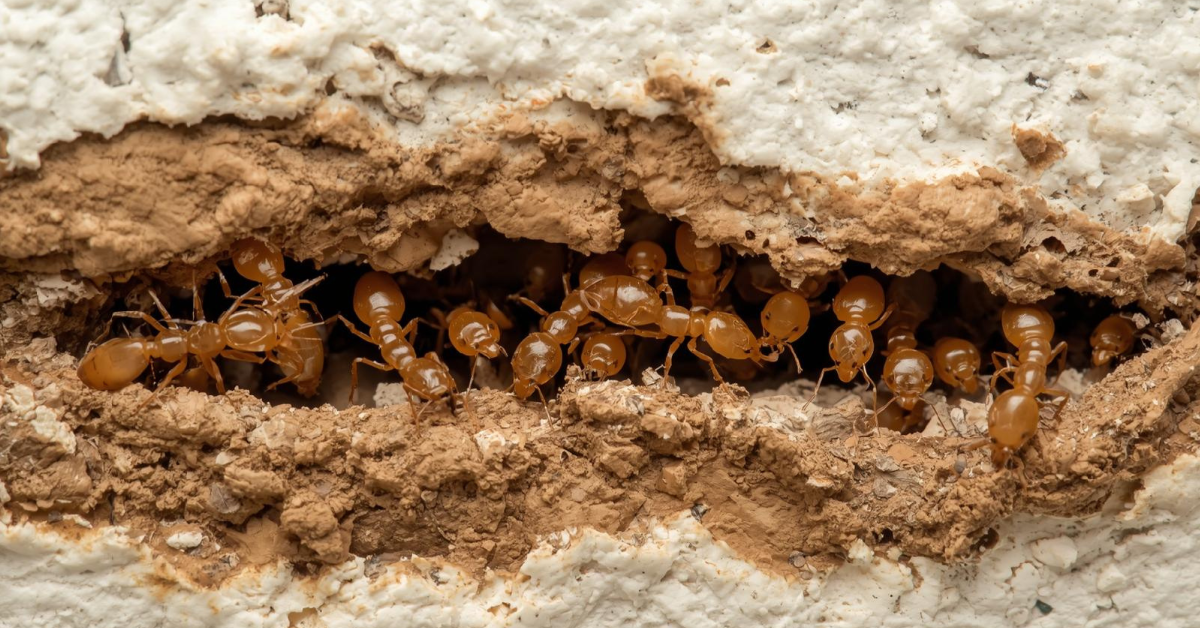
What Are Termite Mud Tubes?
Termite mud tubes are innovative structures created by subterranean termites to navigate their environment while ensuring their safety and survival. These tubes serve multiple crucial purposes within the life cycle of termites. Primarily, they are protective tunnels that shield these insects from predators and environmental dangers, allowing them to travel between their nests and food sources securely.
The composition of termite mud tubes is predominantly earth, wood particles, and termite saliva, resulting in a brown, clay-like appearance. This combination provides the necessary strength and durability for the tubes, enabling them to withstand external forces and environmental factors. Typically, mud tubes can be found along walls, foundations, and even within wooden structures, indicating the presence of a subterranean termite colony nearby.
Construction of these tubes is a meticulous process that involves worker termites gathering soil, wood, and organic debris. They then mix these materials with their saliva, forming a cohesive paste that is shaped into the tube structure. The process can be quite rapid; in fact, it is not uncommon for termites to construct extensive tube systems in a short period. These tunnels can vary in size, often measuring several inches in diameter, depending on the purpose they serve and the necessity of the colony.
In addition to providing protection, mud tubes also play a role in moisture retention, which is essential for subterranean termites. By maintaining a humid environment within the tubes, they create a suitable habitat that contributes to the colony's survival. Overall, understanding the characteristics of termite mud tubes is vital for homeowners, as their presence signifies potential termite activity that requires immediate attention.
Signs of Termite Infestation
Termite infestations can often go unnoticed until significant damage has been inflicted. One of the primary indicators of a termite problem is the presence of mud tubes. These pencil-thin structures are typically found on walls, foundations, and near wood sources. Termites construct these tubes to create a protected pathway between their underground colonies and food sources. Observing mud tubes on your property should prompt immediate investigation, as their existence signifies an active infestation.
Beyond mud tubes, there are several other signs that may indicate a termite infestation. Homeowners should be vigilant for damaged wood. Often, termites will consume wood from the inside out, making it difficult to detect until the structure becomes significantly weakened. A tell-tale sign of damage is a hollow sound when tapping on wooden items, like beams or floorboards. In addition to observing wood damage, discarded wings can also signify termite activity. Swarms of termites, typically occurring during warmer months, often leave behind wings as they establish new colonies. Finding these wings near windowsills or doors can indicate the presence of a nearby colony.
Moreover, another common sign of termite infestation is frass—tiny wood-colored droppings left behind by the insects. This material can often resemble sawdust and is typically found near affected wooden structures. If homeowners notice any of these signs, especially in conjunction with mud tubes on walls, it is crucial to contact a professional pest control service. Immediate action may help prevent extensive damage and financial loss associated with termite infestations.
What Do Mud Tubes on Walls Mean?
Mud tubes are a critical indicator of termite activity and serve as a direct sign of potential infestations within a structure. Termites, particularly subterranean species, construct these tubes as a protective means to travel between their nests and their food sources, which often include wooden structures, dry wall, and other cellulose-based materials. The presence of these tubes on walls indicates that termites are actively seeking food. Their primary objective is to avoid desiccation and predation while navigating open spaces.
When mud tubes appear on walls, it is imperative to understand their significance. Typically, these tubes are made from a mixture of soil, wood particles, and saliva, providing a safe passage for termites. The location of these tubes often reveals the pathway from the termite colony located underground to the food source located above ground. Hence, spotting them indicates not just the presence of termites but also the proximity of their colony.
Furthermore, the construction of mud tubes can be a behavioral response to environmental conditions. For instance, if the soil is moist and conducive for tunneling, termites may build extensive networks of mud tubes to access wood more efficiently. Conversely, if the area is too dry, termites might retreat and create fewer or smaller tubes. Thus, the observation of mud tubes can also suggest how robust the infestation may be, as active colonies tend to produce more substantial structures. Understanding this behavior is vital for anyone dealing with a potential termite problem, as it aids in assessing the urgency of addressing the infestation before it escalates further.
How to Inspect for Termite Activity
Conducting an effective inspection for termite activity is crucial in preventing significant damage to your home. The first step is to identify the areas most susceptible to infestations. Termites typically thrive in moist environments, so prioritize basements, crawl spaces, and attics for your inspection. Look for mud tubes—these are the primary indicators of termite presence. They are often found along walls, beams, or any wooden structures that are in contact with the ground.
When inspecting these areas, it's important to have the right tools at your disposal. A flashlight is essential to illuminate dark corners and hidden spaces, while a screwdriver can help you probe wood to detect hollow sounds, a common sign of infestation. A moisture meter can also be useful for identifying damp areas, as termites are drawn to moisture.
As you inspect, be vigilant for signs such as discarded wings, droppings, or bubbling paint, which may indicate termite activity. Additionally, check for any rotting wood or damp areas in your home that can attract termites. Remember to inspect both the interior and exterior of your property extensively.
Safety is paramount during this process. Wear protective gear, including gloves and a dust mask, especially if you are inspecting attics or crawl spaces where dust and allergens may be present. If you discover signs of termite activity, it is advisable to contact a pest control professional for an in-depth analysis and appropriate treatment options.
Steps to Take Upon Discovering Mud Tubes
Finding mud tubes in your home can be a cause for concern, as they are often indicators of termite activity. The first and foremost step you should take is to remain calm and assess the situation. While noticing these structures can be alarming, prompt action can help mitigate further damage from these wood-destroying pests.
Your first course of action should be to contact professional pest control experts. These trained specialists have the necessary tools and experience to properly identify the level of infestation and recommend an appropriate treatment plan. Attempting to handle the situation on your own might lead to missed signs of a broader termite issue. Pest control professionals can conduct a thorough inspection of your property, which is crucial for effective treatment.
Once the pest control team assesses the situation, they may discuss a variety of treatment options with you. Treatment plans can vary based on the extent of the infestation. Common methods include liquid insecticides or bait systems designed to target the colonies directly. Each option has its pros and cons, but an expert's advice will ensure that you make an informed choice based on your home's specific circumstances.
In addition to treatments, it is essential to explore preventive measures to deter termites from coming back. Consider scheduling regular inspections, ensuring that your home is maintained and free of excess moisture, and sealing any cracks or crevices that may provide entry points for termites. Other preventive actions include storing firewood away from your home and keeping gutters clean to avoid water accumulation near the foundation.
Addressing the presence of mud tubes promptly and effectively not only protects your home but also provides peace of mind. Taking proactive steps can greatly reduce the likelihood of future infestations and safeguard your property.
Preventative Measures to Protect Your Home
Preventing termite infestations is crucial for homeowners seeking to safeguard their properties. One of the most effective strategies is to control moisture levels within the home, as termites are drawn to damp conditions. Regularly check for leaks in pipes, roofs, and gutters, and ensure that water does not accumulate around the foundation. Installing proper drainage systems and utilizing a dehumidifier in areas prone to dampness can also significantly reduce the moisture that termites crave.
Another vital aspect of termite prevention is sealing potential entry points. Homeowners should conduct a thorough inspection of their property, paying close attention to cracks in walls, improperly sealed windows and doors, and any gaps around utility lines. Applying caulk or suitable sealants to these vulnerabilities will create a formidable barrier against termites attempting to breach the structure. Additionally, it is advisable to replace any damaged wood in and around the home since compromised materials can attract termites.
Landscaping practices can further enhance the defenses against termite infestations. Maintain a gap between soil and wooden elements of the structure, such as decks or wooden siding, as direct contact can be an invitation for termites. Additionally, avoid using mulch made from wood chips near the foundation; instead, opt for gravel or stone as a ground cover. Tree branches and shrubs should also be trimmed back, as overhanging branches can provide a direct pathway for termites to reach the home. By adhering to these preventative measures, homeowners can significantly reduce the risk of termite invasions and protect the integrity of their properties.
When to Call a Professional
Recognizing the presence of termite mud tubes on walls is a critical first step in assessing potential termite infestation. However, discerning the appropriate moment to consult a professional pest control service is equally important. Homeowners should consider seeking expert assistance when they notice extensive mud tubes or signs of termite activity, such as damaged wood or discarded wings, which may indicate a larger infestation. The intricacies of termite behavior, including their nesting habits and feeding preferences, require a knowledgeable approach for effective treatment.
While minor infestations may sometimes be mitigated with DIY methods, the complexity of termite control necessitates specialized expertise in many cases. Professional pest control technicians are equipped with the necessary tools and knowledge to conduct a comprehensive inspection of the property. They can identify the specific species of termites present and assess the degree of damage. This detailed understanding allows them to recommend targeted treatments that are vital for ensuring long-term success in eliminating these pests.
Furthermore, licensed pest control experts have access to advanced treatment options that might not be available to the general public. They can implement strategies that address both active infestations and conditions conducive to future infestations, providing homeowners with peace of mind that all potential issues are being tackled. Investing in professional termite eradication services also promotes safety, as some treatment chemicals require expertise for proper application. In many cases, trying to manage a termite issue without professional guidance can lead to exacerbation of the problem, resulting in more extensive damage and higher repair costs down the line.
Address:
264/5, Kamal Soroni Road, Mirpur, Dhaka-1216
Contact
Your Quaries on pest control askings
pestexterminatorbd@gmail.com
+8801642008383 +8801988300003, 01723057746
© 2025. All rights reserved. to Urban Pest Control Pvt. Ltd. this site is powered by Our Own IT Team