
Unscientific Termite Treatment Causes Floor Damage in Residential Building
2/14/20267 min read
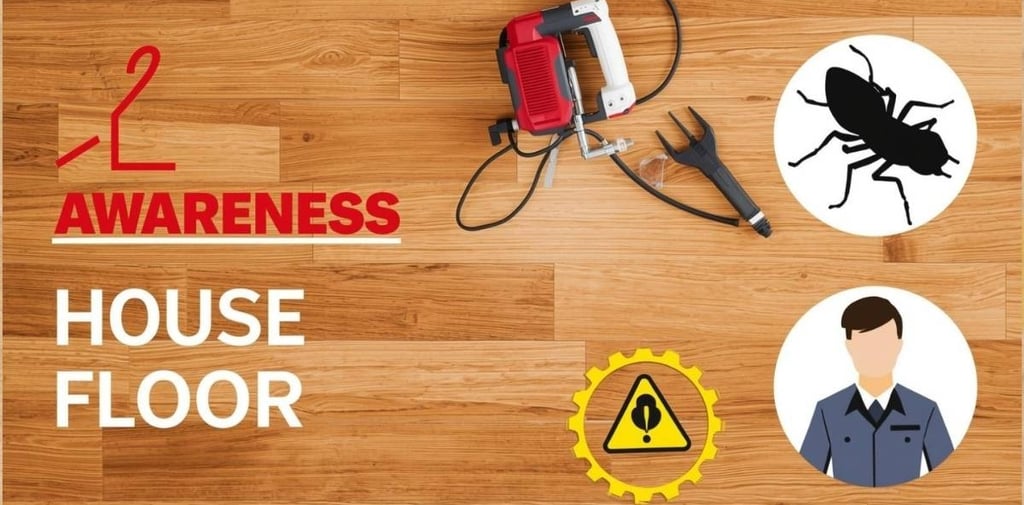
Understanding Improper Drilling Techniques
When it comes to termite control, the drilling technique employed is crucial for the success of the treatment. However, improper drilling methods can lead to ineffective extermination and pose safety hazards during the application process. One common issue is insufficient depth during drilling, which fails to reach all affected areas, allowing termites to persist unaddressed. This oversight can jeopardize the entire treatment plan, allowing these pests to continue their destructive behavior unchecked.
Another significant concern involves misalignment of drill holes. When holes are drilled haphazardly or in non-strategic locations, the treatment chemical may not penetrate the infested areas effectively. This can result in ineffective treatment, leading to a resurgence of termites. Additionally, drilling in voids or cavities without thorough knowledge of the structure can cause unintended damage, undermining the integrity of walls, ceilings, or foundations.
Moreover, there are safety hazards associated with improper drilling techniques. 🛠️ The use of inappropriate tools or poor handling practices can pose risks to the technician's safety and the structural integrity of the property. If not executed as per the manufacturer’s guidelines, it can lead to unnecessary exposure to chemical treatments, ultimately compromising safety. It is essential for pest control professionals to adhere strictly to methodical drilling procedures, ensuring that the treatment reaches effectively and comprehensively targets termite infestations.
Neglecting proper drilling procedures does not merely invite the chance of termite re-infestation; rather, it also creates the potential for costly damage and safety risks. Adhering to best practices in drilling can help ensure a successful termite control operation, thus underscoring the importance of following established protocols and using appropriate equipment for effective results.
Consequences of Overuse of Chemical Injection
The management of termite infestations often necessitates the application of chemical injections as a control measure. However, the overuse of these chemicals can lead to significant environmental concerns and health risks for humans. One of the primary issues arises from the potential contamination of soil, water, and air, which can adversely affect local ecosystems. Chemicals leaching into the ground can disrupt flora and fauna, leading to biodiversity losses. In urban settings, these chemicals can also infiltrate water supply systems, posing risks to drinking water quality.
Furthermore, excessive use of chemical injections can result in the emergence of resistant termite populations. Over time, termites exposed consistently to chemical treatments can develop genetic mutations that confer resistance to those substances. This phenomenon renders standard treatments less effective, perpetuating a cycle where stronger and potentially more harmful chemicals must be utilized to combat these resilient pests. As a result, the overuse of chemical agents not only compromises the immediate efficacy of pest control measures but also imposes long-term management challenges.
Humans too are at an increased risk when chemical injections are mismanaged. Prolonged exposure to these pesticides has been linked to various health issues, including respiratory problems, skin irritations, and even neurological disorders. It is imperative that pest control professionals and homeowners alike prioritize safe application practices, ensuring that only the necessary quantities of chemicals are used, and that treatments are spaced appropriately to mitigate risks. The emphasis should be on an integrated pest management approach, which combines habitat modification, biological control, and targeted chemical use to achieve sustainable termite control.
Addressing Structural Cracking Issues
Termite infestations can lead to significant structural problems within a building, particularly when treated inadequately. One consequence of poor treatment approaches is the emergence of structural cracking, which can compromise the integrity of the entire structure. When termite control methods fail to penetrate wood thoroughly or are improperly applied, termites continue to cause damage. As they consume wood and weaken its structural components, the likelihood of cracks increases, especially in load-bearing areas.
There are several types of structural damage that can arise from inadequate termite treatment. For instance, when wooden beams, joists, and studs sustain damage from termites, they may no longer bear the loads they were designed to support. This loss of structural support can manifest as cracking in walls, ceilings, and even foundations. Often, these issues may not be immediately visible, requiring careful inspection to identify problems before they escalate. Repairing such cracks can result in costly interventions that are often avoidable with proper termite management practices.
Recognizing and rectifying potential structural issues is of utmost importance to maintain building safety and longevity. Homeowners and property managers should prioritize regular inspections for signs of termite activity and structural integrity, especially in regions prone to infestations. Moreover, utilizing professional pest control services ensures that termite treatments are administered effectively, minimizing the risk of structural failures. Addressing these problems proactively can significantly reduce the long-term cost implications associated with unresolved structural issues due to termites.
The Importance of Hiring Trained Technicians
Ensuring effective termite control is crucial for safeguarding properties from extensive damage caused by these invasive pests. One of the foremost steps to achieve optimal results in termite management is to hire trained and certified technicians. Professional pest control specialists possess extensive knowledge of best practices, equipment handling, and modern treatment methodologies that are vital in combating termite infestations.
Trained technicians undergo rigorous education and certification processes, equipping them with the insights necessary to identify the specific species of termites involved. Their expertise allows them to employ appropriate treatment strategies that fit the infestation's unique circumstances. Moreover, these professionals have access to cutting-edge equipment and products that are often unavailable to the average homeowner. With their skills, they can apply treatments precisely, minimizing risks to both humans and the environment.
Conversely, the consequences of employing untrained personnel can be detrimental. Inexperienced individuals may misidentify termite species or overlook critical signs of infestation, leading to ineffective treatment. This not only perpetuates the problem but may also exacerbate damage, resulting in higher costs for property repair. Moreover, improper handling of treatment chemicals can pose serious health risks to family members and pets, emphasizing the pressing need for skilled involvement in termite management.
In conclusion, hiring trained technicians is essential to ensure effective termite control. Their knowledge, experience, and access to advanced resources place them in the best position to protect properties against the threats posed by termites. Relying on untrained individuals can lead to costly mistakes and increased risks, making it clear that professional intervention is paramount in safeguarding one’s investment.
Importance of Proper Termite Warranty Certification
When it comes to termite control, the stakes can be high for homeowners. Termites are notorious for causing extensive structural damage, often without visible signs of infestation until it is too late. This underlines the necessity of thorough termite prevention measures, including obtaining a proper termite warranty certification. Such certification offers a veritable safety net, assuring homeowners that they are protected from the financial burden associated with potential infestations.
Reliable termite warranties typically include several significant features. They often cover the cost of future treatments, should termites be detected after the initial treatment. This not only saves homeowners money but also provides peace of mind knowing they are covered against unforeseen infestations. Furthermore, many reputable pest control companies offer warranties that may last several years, emphasizing their commitment to long-term pest management services. This aspect is crucial as the nature of termite infestations often requires ongoing preventive measures.
Additionally, strong termite warranty certification ensures that the treatments used are effective and in compliance with industry standards. Companies that provide valid warranties typically follow up with regular inspections and maintenance, identifying potential vulnerabilities in a property before they escalate into serious issues. This proactive approach is instrumental in mitigating risks, as it addresses the problem before it becomes a significant concern.
In conclusion, having a proper termite warranty certification is invaluable for homeowners. It not only protects them from immediate costs associated with treatment but also ensures ongoing oversight and preventive care. By investing in termite warranties, homeowners can significantly mitigate the risks associated with termite infestations, thus safeguarding their properties effectively.
Preventive Inspection Checklist for Homeowners
Ensuring the safety of one’s home from termite infestations is crucial for homeowners. To facilitate this, a preventive inspection checklist serves as a vital tool. This checklist allows homeowners to identify potential termite risks proactively, minimizing the chances of a severe infestation.
First, homeowners should conduct a thorough examination of the property for signs of termite activity. These signs include mud tubes, which termites use to traverse between their colonies and food sources, as well as discarded wings from swarmers. Inspect the wooden structures for any hollow sounds when tapped or visible damage that may indicate feeding activity. Early detection of these signs is essential for effective termite control.
Next, assess the structural vulnerabilities that may attract termites. Pay special attention to areas where wood is in direct contact with the soil, such as wooden beams and decks. Ensure that siding, gutters, and downspouts are effectively channeling water away from the house. Water accumulation outside the foundation can attract termites, as these insects prefer damp environments.
Environmental factors are equally significant in assessing termite risk. Homeowners should examine their landscaping and eliminate any conditions conducive to termite attraction. Overhanging branches should be trimmed back to avoid direct contact with structures, while mulch should be kept at least 15 inches away from the foundation to limit moisture build-up. Additionally, remove any wood debris, such as stumps and fallen branches, from the property, as these serve as a valuable food source for termites.
By diligently following this preventive inspection checklist, homeowners can be empowered to take actionable steps to protect their homes from termite infestations. Regular inspections and maintenance are key to safeguarding one’s property from these destructive pests.
Conclusion: Best Practices for Effective Termite Control
As we have examined throughout this blog post, effective termite control is essential for safeguarding one’s property from potential damage caused by these wood-destroying pests. The implementation of proper techniques and adherence to best practices significantly contribute to maintaining the structural integrity of buildings and homes. Among the key practices discussed, regular inspections, professional assessments, and preventive treatments stand out as vital components in comprehensive termite management.
Equipping oneself with knowledge about termite behavior and types is crucial for timely intervention. Homeowners should prioritize routine inspections, ideally conducted by trained professionals, who can identify signs of infestation that might go unnoticed by an untrained eye. These inspections serve as an early warning system, allowing for prompt action before extensive damage occurs.
Furthermore, the importance of applying proper treatment techniques cannot be overstated. Utilizing environmentally safe insecticides, barrier methods, and bait systems should be done in accordance with industry standards to ensure efficacy without compromising safety. Any application of these substances should always be performed by certified pest control professionals who possess the necessary training and expertise.
In conjunction with these tactics, it is essential to maintain a clean and dry environment conducive to deterring termite activity. Simple preventive measures, such as proper ventilation, moisture control, and sealing potential entry points, can greatly reduce the risk of infestation.
In conclusion, prioritizing proper techniques, investing in training for pest control providers, and implementing preventive measures are integral to effective termite control. By adopting these best practices, homeowners can ensure the safety and longevity of their properties against potential termite damage.
Address:
264/5, Kamal Soroni Road, Mirpur, Dhaka-1216
Contact
Your Quaries on pest control askings
pestexterminatorbd@gmail.com
+8801642008383 +8801988300003, 01723057746
© 2025. All rights reserved. to Urban Pest Control Pvt. Ltd. this site is powered by Our Own IT Team