
Unveiling the Hidden Havens: Where Cockroaches Breed Inside Your Home
1/24/20267 min read
Understanding the Cockroach Lifecycle
The cockroach lifecycle is comprised of three primary stages: egg, nymph, and adult. Understanding these stages is essential for proper pest management, as it illuminates how cockroaches reproduce and the optimal conditions for their breeding. Female cockroaches produce egg cases known as oothecae, which can contain multiple eggs. Depending on the species, the size of these egg cases can vary, but they generally harbor anywhere from 15 to 40 eggs at a time. Upon hatching, the emerging nymphs, which resemble smaller adults, are highly agile and begin their journey to adulthood.
The nymph stage is critical, as it can last anywhere from several weeks to several months, depending on environmental conditions, such as temperature and the availability of food. During this time, nymphs undergo a series of molts, shedding their exoskeletons, and gradually reach maturity. Adult cockroaches can live for up to a year, potentially producing numerous oothecae during their lifetime. This continuous cycle of reproduction and growth emphasizes the urgency of identifying and eliminating breeding sites within the home.
Environmental factors play a crucial role in the breeding behaviors of cockroaches. These pests thrive in warm, dark, and humid environments, often seeking shelter in places like kitchens, bathrooms, and basements. Hidden spaces such as cracks in walls, under appliances, and inside cabinets provide perfect habitats for their reproduction. Recognizing the ideal conditions that facilitate the growth of cockroach populations not only helps in identifying their hotspots but also informs preventive measures. Effective control strategies can thus be developed by understanding their lifecycle, leading to more targeted approaches in keeping them at bay.
Common Breeding Spots in the Home
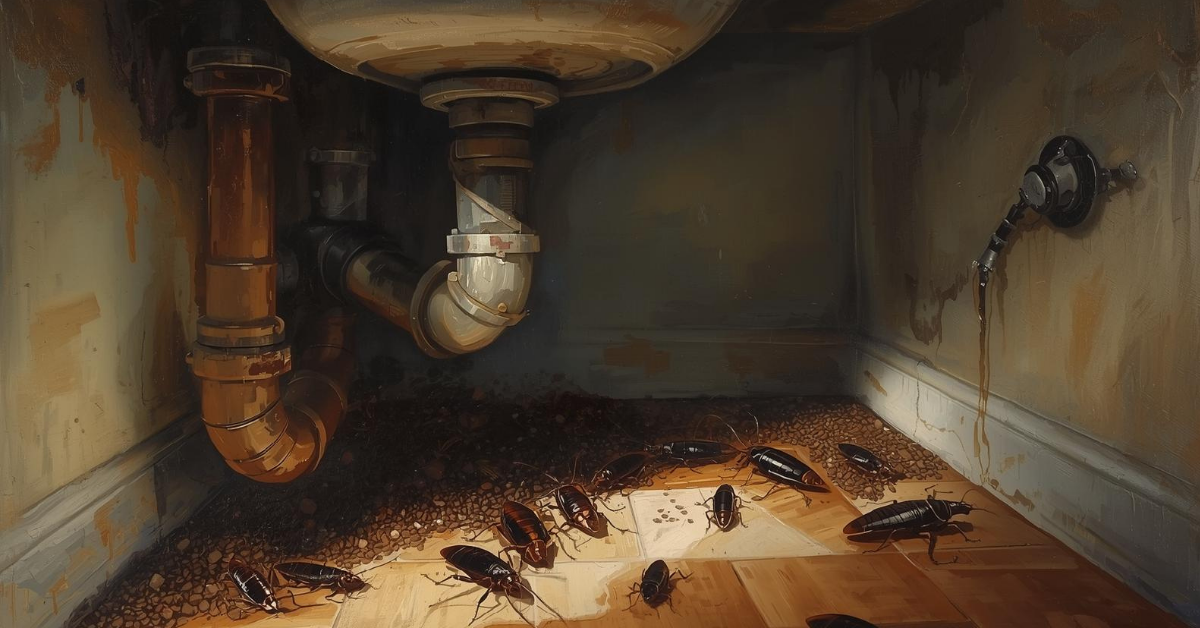
Cockroaches are resilient pests that thrive in various environments, particularly within the confines of our homes. Understanding the common breeding spots can aid in effective pest control and prevention strategies. One of the primary areas where cockroaches breed is the kitchen. This room provides an abundance of food sources and moisture, both of which are essential for cockroach survival. Crumbs under appliances, spills on countertops, and trash cans create an ideal breeding ground. Moreover, dishwashers and sink drains can harbor these pests, offering a dark, damp sanctuary.
Bathrooms are another hotspot for cockroach activity. The combination of high humidity and available food sources, such as toothpaste or soap residue, makes this area attractive to these insects. Frequently, cockroaches are found near sinks, bathtubs, and behind toilets. It is crucial to regularly clean these areas and monitor for any signs of pest activity.
Basements are also prone to cockroach infestations. Often dark and cluttered, they provide an excellent environment for breeding. Dampness and minimal disturbance mean that cockroaches can thrive undetected. Items left in storage, such as cardboard boxes, can serve as both a food source and shelter for these pests. Additionally, cluttered spaces throughout the home, including living rooms and bedrooms, can attract cockroaches. These insects prefer hidden spots to escape light and human interaction, making clutter an ideal condition for them to breed.
By identifying these common breeding areas, homeowners can take proactive measures to minimize cockroach populations in their living spaces. Implementing thorough cleaning routines and minimizing clutter can help deter these pests and safeguard the home from infestations.
Signs of Cockroach Infestation
Identifying a cockroach infestation in your home can be challenging, as these insects are primarily nocturnal and tend to stay hidden during the day. However, there are several physical and behavioral signs that can help homeowners detect the presence of these pests.
One of the most notable indicators of a cockroach infestation is the presence of droppings. Cockroach feces are small, dark, and resemble pepper or coffee grounds. They may be found in areas where cockroaches tend to gather, such as kitchens, basements, and behind appliances. Not only do droppings indicate their presence, but they can also pose health risks if ingested or inhaled.
Another physical sign is the shedding of skins, known as exoskeletons. As cockroaches grow, they molt and leave behind these papery cases. Finding multiple shed skins in your home can suggest that cockroaches are breeding and developing in the area. Additionally, egg cases or oothecae can be a critical indicator of infestation. These brown, oval-shaped capsules contain numerous eggs and can be found in dark, hidden places. Recognizing these egg cases can be crucial in understanding the severity of the infestation.
Behavioral signs are also telling; if you happen to see live cockroaches during the day, it may indicate a significant infestation. Seeing these insects in daylight hours suggests that their food resources are limited, forcing them out into the open for sustenance. It is essential to act promptly if any of these signs are observed, as cockroach infestations can multiply quickly, leading to more extensive control measures and health risks.
Why Cleanliness Isn’t Always Enough
Maintaining a clean environment is often perceived as the primary deterrent against pest infestations, particularly cockroaches. However, the reality is that cleanliness alone does not guarantee immunity from these resilient intruders. Cockroaches are known for their ability to thrive in a variety of environments, including those that appear well-kept. Despite diligent cleaning efforts, various underlying factors can render a clean home susceptible to infestation.
One of the primary reasons cockroaches can establish themselves even in pristine conditions is their remarkable adaptability. They can survive on minimal food sources and are often drawn to the smallest crumbs, spills, or organic debris. Even in a spotless kitchen, residual food particles in hard-to-reach places, such as behind appliances, can entice these pests. Moreover, cockroaches are nocturnal creatures that prefer to conceal themselves during daylight hours, making them difficult to detect until a significant number of them have accumulated.
Additionally, gaps and crevices in the home can create a welcoming environment for cockroaches. These insects can squeeze through tiny openings—often less than a quarter of an inch wide—and find shelter in walls, ducts, or under flooring. Cracks around plumbing, windows, and doors provide easy access points for these pests, allowing them to invade even the most meticulous households. Inadequate repairs and maintenance can exacerbate this issue, as moisture and decay can further attract cockroaches seeking refuge.
Finally, environmental factors outside the home also play a crucial role in cockroach infestations. Overgrown vegetation, cluttered yards, and environments adjacent to garbage bins can facilitate their migration indoors. Recognizing that cockroaches can invade clean spaces highlights the importance of not simply prioritizing cleanliness but also conducting comprehensive inspections and preventative measures. The complexity of cockroach behavior and habitat preferences necessitates a multifaceted approach to pest control that goes beyond basic cleaning routines.
Preventing Cockroach Breeding
Effective prevention of cockroach breeding within the home requires a multi-faceted approach, focusing on elimination of conducive conditions and sealing off potential entry points. One of the primary steps is to identify and seal any cracks or gaps in walls, windows, and foundations that could allow cockroaches to enter. Utilizing caulk or other sealing materials can effectively block these entry points, reducing the likelihood of intrusion.
Maintaining proper sanitation is equally vital in preventing cockroach infestations. Regular cleaning routines should be established to eliminate food sources that attract these pests. This includes not only cleaning dishes and cooking surfaces immediately after use but also ensuring that food is stored in airtight containers. It is imperative to avoid leaving pet food out for extended periods and to dispose of garbage promptly, as debris can serve as a breeding ground for these insects.
In addition to sanitation, reducing clutter can significantly deter cockroaches. Cluttered environments provide hiding places conducive to breeding. Organizing storage areas, keeping areas under sinks clear, and decluttering frequently used spaces are essential tasks that homeowners should prioritize. Regularly assessing and tidying up basements, attics, and garages can help in limiting these pests’ habitats.
Using dehumidifiers and ensuring proper ventilation in damp areas of the home, such as bathrooms and kitchens, can further diminish the moisture that roaches require for reproduction. Finally, regular inspections and monitoring for signs of cockroach activity can enable early detection and swift action, ensuring that any budding infestations are dealt with before they can escalate into a larger problem.
Natural and Chemical Solutions to Eliminate Cockroaches
When it comes to combating the pervasive issue of cockroaches in the home, both natural and chemical solutions exist to effectively eliminate these unwelcome pests. It is crucial to evaluate each method for its effectiveness and safety, especially when considering households with children and pets.
Natural remedies for cockroach eradication often involve the use of substances that are readily available at home. One highly regarded solution is a mixture of baking soda and sugar. The sugar lures cockroaches while baking soda disrupts their digestive system, leading to their eventual demise. Another effective homemade remedy is diatomaceous earth, a natural powder that scratches the exoskeletons of cockroaches, leading to dehydration. Both of these methods prioritize safety, as they contain non-toxic ingredients, making them suitable for residential use.
Additionally, essential oils such as peppermint oil and tea tree oil can be effective deterrents. Their strong scent can repel cockroaches, while also providing a pleasant aroma for the home. Spraying a mixture of essential oils with water in areas prone to infestation can create a hostile environment for these pests.
On the other hand, chemical solutions, which tend to boast faster results, include insect baits and sprays. These products often contain active ingredients designed to attract and kill cockroaches. While generally effective, they carry a potential risk for health, particularly in households with young children or pets. It is essential to follow the manufacturer’s guidance regarding application and safety measures rigorously.
Overall, selecting the right method depends on the severity of the infestation and the living conditions of the household. Both natural and chemical solutions can play important roles in achieving a roach-free environment when used judiciously and responsibly.
When to Call the Professionals
Identifying cockroach infestations can vary from one household to another, but certain indicators signal the need to consult pest control experts. Homeowners should consider reaching out for professional assistance when they observe a consistent presence of cockroaches, especially if sightings occur during the day, as most species prefer to remain hidden. If you spot signs of a significant infestation, such as numerous droppings, egg cases, or shed skins, taking immediate action is crucial.
Another critical factor to consider is the geographical location of your home. Properties in urban areas typically have higher pest activity compared to their rural counterparts. Consequently, a localized infestation could escalate into a more extensive problem if not dealt with promptly. In these cases, relying solely on DIY treatments may not yield sufficient results, thereby necessitating a professional intervention.
Moreover, if previous attempts at eradication have proven futile—despite employing various home remedies or over-the-counter pesticides—this indicates a need for more advanced methods that professionals utilize. Expert pest control services possess specialized tools and access to commercial-grade treatments that may be more effective than products available to the general public. Notably, professionals can also accurately identify the species of cockroach, which is vital for selecting the most feasible treatment approach.
Lastly, severe infestations can lead to health issues, as certain types of cockroaches may exacerbate allergies or trigger asthma attacks. When health concerns arise, it is paramount to engage the services of a qualified pest control provider. They can not only eliminate the problem but also offer ongoing monitoring and preventive strategies to ensure that your home remains a haven free from cockroaches and other pests.
Address:
264/5, Kamal Soroni Road, Mirpur, Dhaka-1216
Contact
Your Quaries on pest control askings
pestexterminatorbd@gmail.com
+8801642008383 +8801988300003, 01723057746
© 2025. All rights reserved. to Urban Pest Control Pvt. Ltd. this site is powered by Our Own IT Team