
Urban Construction Boom & Termite Risk: Protect Your New Building in Bangladesh
2/22/20267 min read
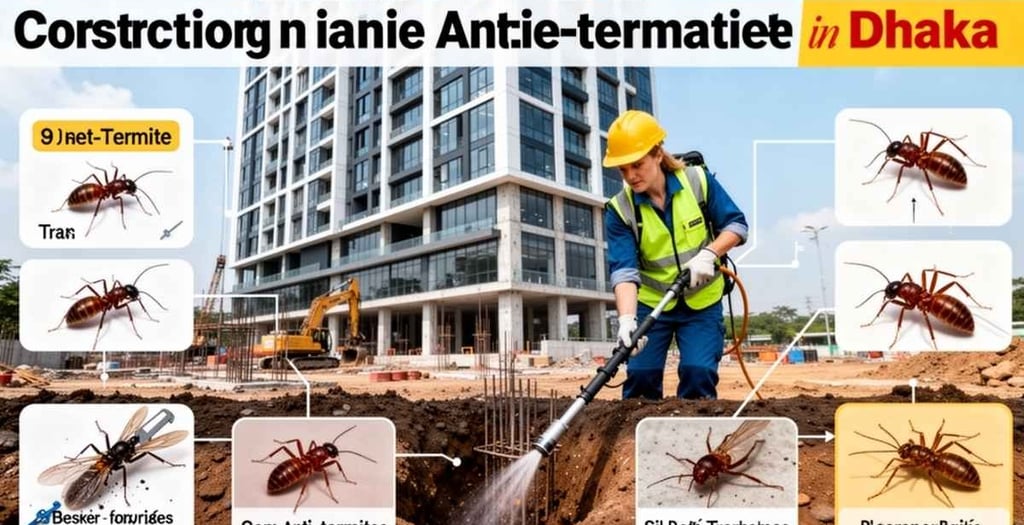
Why Termite Attacks Increase in New Construction Zones
Termite infestations in newly constructed buildings are a significant concern, particularly in regions like Dhaka, where environmental conditions can be conducive to their growth. Several factors contribute to the rising frequency of termite attacks in these areas.
One primary reason for the increase in termite activity is the disturbance of the soil during construction. The process of clearing land and excavating for foundations disrupts the natural habitat of termites, leading to their temporary displacement. However, this disruption often results in a re-colonization of the area as termites seek out new sources of food and shelter. New construction zones may become appealing targets due to the abundance of resources suitable for their survival.
Additionally, the use of new wood materials in construction further exacerbates the issue. Newly built structures often contain untreated wood that is especially vulnerable to termite attacks. The cellulose in wood serves as a primary food source for these pests, making any newly constructed building a potential hotspot for infestations. Furthermore, the excessive use of materials such as plywood and OSB can increase the risk, as these products may not always be properly treated to resist termite activity.
The environmental conditions in Dhaka also play a significant role in the prevalence of termite infestations. The warm and humid climate creates an ideal habitat for many termite species, facilitating their reproduction and growth. This natural environment, combined with the availability of fresh wood from new constructions, dramatically increases the likelihood of termites invading newly completed buildings.
In summary, the combination of soil disturbance, the use of new wood materials, and favorable environmental conditions in Dhaka significantly contributes to the increased risk of termite attacks in new construction zones. Awareness and preventive measures are essential to mitigate these risks effectively.
Pre vs Post Construction Anti-Termite Treatment
Understanding the differences between pre-construction and post-construction anti-termite treatments is essential for homeowners and builders alike, particularly in termite-prone areas like Dhaka. Pre-construction treatments involve applying protective measures during the building phase, while post-construction treatments address infestations and vulnerabilities in completed structures. Both methods play crucial roles in safeguarding properties, but they offer distinct advantages and disadvantages.
Pre-construction treatments are typically more effective and economical than their post-construction counterparts. One of the primary benefits of implementing anti-termite measures before building begins is the ability to integrate preventive measures directly into the foundation and the overall building design. This approach often involves the application of chemical barriers or other physical deterrents in the soil surrounding the foundation. By establishing these defenses early, builders can significantly reduce the risk of termite infestations as the property matures.
On the other hand, post-construction treatments can be more challenging, as they require invasive procedures to access and treat existing structures. Common methods include drilling and injecting termiticides into the soil around the foundation or applying baiting systems that entice and eliminate termite colonies. These treatments may not always reach every infested area, leading to a potential resurgence of termites if not adequately managed. Additionally, post-construction treatments are often more costly due to the labor and materials required to rectify the issue.
In summary, while both pre-construction and post-construction anti-termite treatments play integral roles in pest management, opting for preventive measures during the construction phase is preferable. It allows for a proactive approach in protecting the integrity of buildings against termites, ensuring longer-term safety and reduced maintenance costs for homeowners.
Soil Chemical Barriers in Anti-Termite Treatments
Soil chemical barriers play a crucial role in pre-construction termite treatments, particularly in regions like Dhaka, where termite infestations can pose significant risks to structural integrity. These barriers are designed to prevent termites from gaining access to buildings by establishing a protective zone around the foundation. This is achieved through the strategic application of specific chemical substances that repel or kill termites upon contact or ingestion.
The primary chemicals used in creating soil chemical barriers include organochlorines, pyrethroids, and neonicotinoids. These substances are specifically formulated to remain effective for an extended period, thereby ensuring long-term protection against termite activity. Organophosphates are another category of chemicals that are sometimes incorporated; they act by disrupting the nervous system of termites, ultimately leading to their demise. The choice of chemical often depends on regulatory guidelines, environmental considerations, and the specific needs of the building project.
The effectiveness of these barriers is highly reliant on proper application techniques. Initially, the soil around the foundation must be treated before any construction begins. This involves trenching and treating the soil with the termiticides, thereby creating a continuous chemical barrier. The treatment must be thorough, covering all potential points of termite entry, including around plumbing and other utilities. Additionally, care must be taken to follow the manufacturer's guidelines for dilution and application rates to ensure maximum efficacy.
Soil chemical barriers are not merely a precaution; they are an essential component of a comprehensive strategy to ensure a termite-proof structure. Their proactive application significantly reduces the risk of termite-related damage, thereby protecting the investment represented by a new property. Proper implementation can extend the life of the protective barrier, providing peace of mind for homeowners and builders alike.
Long-Term Protection Warranty Options
Homeowners in Dhaka seeking effective termite control measures often look for long-term protection warranty options. These warranties serve as a critical component of pre-construction termite treatments, providing peace of mind against potential future infestations. A long-term warranty typically covers a duration of five to ten years, though some providers may offer plans extending beyond a decade. This coverage usually exempts homeowners from additional costs for retreatments during the warranty period if termites are detected.
One of the primary advantages of a long-term warranty is the assurance that the property will be safeguarded against destructive termite attacks over an extended period. Many local companies in Bangladesh offer warranties that also include regular inspections and maintenance checks as part of the service agreement. These inspections help in the early detection of termite activity, ensuring that corrective measures can be implemented promptly.
Moreover, regular maintenance is essential for the longevity of the treatment and the warranty. Without scheduled inspections, new infestations may go unnoticed, potentially leading to costly damage that would not be covered by the warranty. Homeowners are encouraged to adhere to the maintenance guidelines stipulated by the pest control service, as failure to do so can result in the voiding of the warranty.
Additionally, certain terms and conditions may apply depending on the warranty provider. These can include stipulations about whether the property must remain accessible for inspections and the need for homeowners to maintain a pest management plan that aligns with the recommendations of their service provider. Understanding these conditions is crucial for maximizing the benefits of the warranty.
Choosing a Licensed Pest Control Company in Bangladesh
When it comes to pre-construction termite treatments, selecting a licensed pest control company is of utmost importance. This process not only protects your investment but also ensures comprehensive and effective management of termite infestations. A reputable pest control service should possess the necessary licensing and certifications which reflect compliance with local regulations and standards in Bangladesh.
One crucial criterion to consider is whether the company is licensed by relevant local authorities. Verification of this license guarantees that the company has undergone rigorous training and adheres to safety protocols. Additionally, certifications from professional pest management associations often indicate an advanced level of expertise in handling complex pest issues, including termite control.
Another vital aspect to evaluate is customer reviews and testimonials. Insights from previous clients can provide a clear picture of the company’s reliability and quality of service. Online platforms and social media are excellent resources for gauging customer satisfaction and identifying any recurring issues. Furthermore, direct referrals from friends or family can lead to trustworthy recommendations.
Experience in the field is also a key factor when choosing a pest control company. Companies that have been operational for several years typically possess a wealth of knowledge and a proven track record when it comes to termite treatments. Their professional background can greatly influence their ability to detect, prevent, and manage termite problems effectively. Therefore, it is advisable to inquire about the company’s history and any case studies or success stories they can share.
In conclusion, selecting the right licensed pest control company is critical for effective pre-construction termite treatments in Bangladesh. By considering licensing, certifications, customer reviews, and the company’s experience, homeowners can make informed choices and safeguard their properties against potential termite damage.
Common Misconceptions About Termite Treatments
Termite management often suffers from several misconceptions that can lead to ineffective treatment strategies and undue financial burdens. One prevalent myth is the effectiveness of DIY methods in termite eradication. Many homeowners believe that over-the-counter insecticides can sufficiently handle termite infestations. However, these products typically lack the potent formulation needed to target termite colonies effectively. Termites tend to nest deep underground or within structural wood, making it crucial to employ professional-grade solutions that can penetrate their protective tunnels.
Another common misunderstanding is the belief that certain building materials are immune to termite damage. Some individuals may think that concrete, steel, or treated wood offers complete protection against these pests. While these materials can be more resistant to infestations, no material is entirely impervious. Termites are known to exploit vulnerable areas in structures, such as wood joints, plumbing holes, or insulation. It is essential to implement proactive treatments around these potential entry points to minimize the risk of infestation.
Additionally, there is a misconception about the costs associated with preventive measures compared to reactive treatments. Many believe that investing in preventative termite treatment is too expensive, opting instead for reactive treatments only when an infestation occurs. However, the reality is that reactive treatments can often be significantly more costly when considering the damage caused by termites and the extensive work required to eliminate them. Preventive termite treatments—while they may entail initial expenses—can ultimately save property owners significant amounts of money by averting extensive reparative actions down the line.
Understanding these misconceptions is vital for homeowners in Dhaka to ensure that they make informed decisions regarding pre-construction termite treatments and safeguard their investments effectively.
Benefits of Investing in Pre-Construction Termite Treatments
Investing in pre-construction termite treatments offers several advantages for property owners and builders in Dhaka. One of the primary benefits of these treatments is the enhanced protection they provide against potential termite infestations. By proactively addressing the risk of termites before construction begins, homeowners can significantly reduce the likelihood of damage caused by these pests, safeguarding their investment for the long term.
Moreover, pre-construction termite treatments can substantially increase the overall value of a property. Houses that come with the assurance of a termite management plan are often more appealing to prospective buyers. The presence of a preventative system not only reflects diligent maintenance but also reassures potential buyers of the longevity of the structure, thereby promoting higher resale values.
In addition to enhancing property value, these treatments can also lead to reduced future pest control costs. By implementing a robust termite prevention strategy during the construction phase, homeowners can diminish the need for more extensive and expensive treatments in the future. This strategic approach helps in maintaining the property efficiently and can lead to significant savings over time.
Furthermore, the peace of mind that comes with knowing a home is protected from termites cannot be understated. Both builders and homeowners experience a sense of security knowing their investment is less likely to suffer from termite-related issues. This assurance allows for a focus on other critical aspects of homeownership without the looming stress of potential infestations.
In conclusion, the benefits of investing in pre-construction termite treatments extend beyond immediate protection. They enhance property value, lower future maintenance expenses, and provide peace of mind, making them a prudent investment for anyone looking to build or buy a new home in Dhaka.
Address:
264/5, Kamal Soroni Road, Mirpur, Dhaka-1216
Contact
Your Quaries on pest control askings
pestexterminatorbd@gmail.com
+8801642008383 +8801988300003, 01723057746
© 2025. All rights reserved. to Urban Pest Control Pvt. Ltd. this site is powered by Our Own IT Team