
Urban Pest Paradise: Unpacking the Reasons Cities Are the Ideal Habitat for Modern Pests
2/1/20267 min read
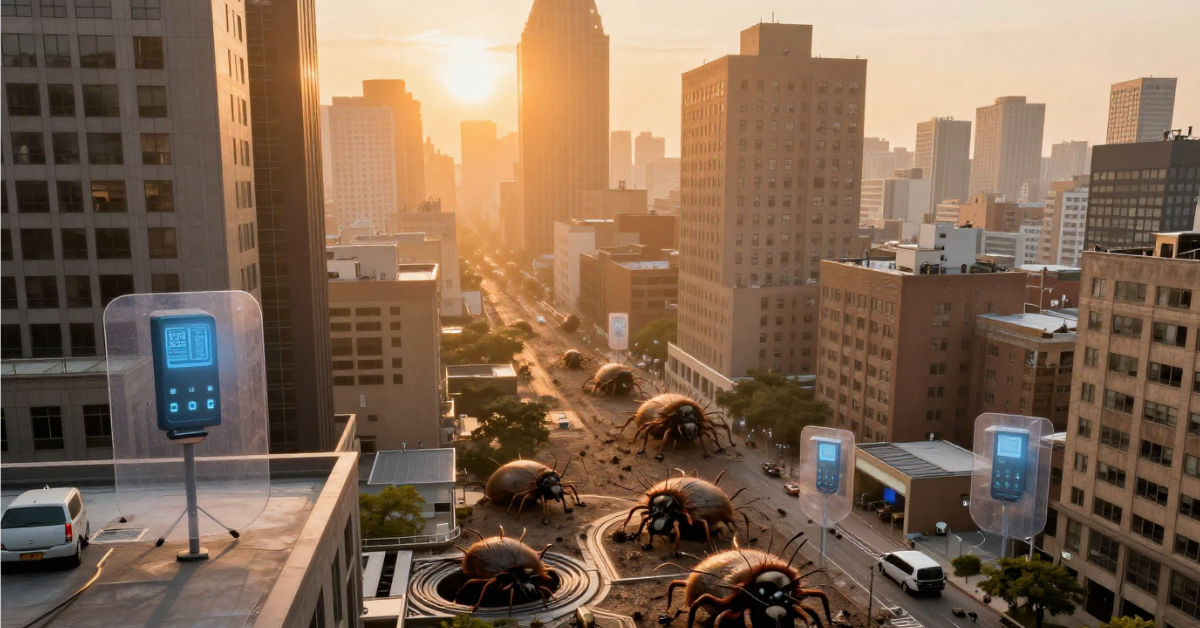
Introduction to Urban Pest Proliferation
The phenomenon of urban pest proliferation is increasingly evident in contemporary cities. Various species of pests, including rodents, insects, and various parasites, have adapted remarkably well to urban environments. This trend can be traced back several decades, with historical patterns indicating that pests have always thrived in areas with dense populations. However, the recent surge in pest activity can largely be attributed to significant changes in living conditions and lifestyle preferences among urban residents.
The transformation of urban areas into bustling metropolises has created ideal habitats for pests. Modern city infrastructure, characterized by high-rise buildings, extensive public transportation systems, and tightly packed living spaces, inadvertently offers ample food and shelter for various pest populations. For instance, the abundance of waste generated by restaurants, cafes, and households provides a consistent food source for rats and cockroaches. As cities continue to grow, these pests are not only benefiting from existing conditions but also scaling up their numbers.
Additionally, human behaviors significantly influence pest proliferation in urban settings. Increased mobility and global trade introduce numerous non-native species, many of which can evade natural predators in urban environments. Moreover, urban areas often exhibit high levels of humidity and heat, particularly during summer months. These conditions are conducive to breeding, fostering rapid population growth among pests such as mosquitoes and bedbugs.
In examining urban pest dynamics, it becomes clear that the intricate relationship between human lifestyle, city infrastructure, and pest behavior plays a critical role in understanding their resurgence. As cities continue to evolve, it is imperative to recognize and address the burgeoning challenges posed by pests to urban ecosystems and public health.
The Impact of Urbanization on Pest Habitats
Urbanization has significantly transformed ecosystems, creating environments that are increasingly conducive to the proliferation of various pests. The rapid expansion of cities leads to significant alterations in land use, which in turn affects local wildlife and pest populations. One of the primary factors facilitating this phenomenon is the construction of buildings and infrastructure. These developments provide numerous microhabitats for pests, such as rats, cockroaches, and ants, which find shelter and breeding grounds in the warm, sheltered spaces of urban environments.
In addition, urban areas are characterized by increased human density, resulting in larger waste accumulations. Garbage left uncollected and improperly managed solid waste become prime resources for many pests, attracting them in search of food. Moreover, concentrated populations of humans can lead to greater issues with sanitation, as the potential for pest food sources increases in densely populated areas.
Another critical aspect is the alteration of natural water drainage patterns due to urban development. Cities often experience disrupted water flow due to the extensive use of impervious surfaces, like asphalt and concrete. This re-engineering of the urban landscape can lead to standing water in certain areas, creating ideal breeding sites for mosquitoes and other water-borne pests. The combination of altered drainage and water accumulation fosters conditions that assist not only in the survival of these pests but also in their reproductive cycles.
Moreover, the fragmented habitats resulting from urban sprawl can displace many natural predators of pests, further contributing to the population imbalances. The overall impact of urbanization on pest habitats underscores the multifaceted challenges that cities face, necessitating proactive management strategies to mitigate the adverse effects of these changes.
Climate Change: The New Catalyst for Pest Expansion
Climate change has emerged as a primary driver of the expansion of pest populations, particularly in urban environments. As global temperatures continue to rise, the habitats suitable for various pest species have increasingly proliferated, creating new challenges for city dwellers. Notably, higher temperatures often facilitate the breeding and survival of insects and rodents, which thrive in warm environments. This phenomenon has been associated with various factors including increased food accessibility, sufficient breeding conditions, and reduced mortality rates.
Moreover, erratic weather patterns exacerbated by climate change, such as extreme rainfall, heatwaves, and fluctuating seasonal temperatures, play a critical role in this dynamic. For instance, heavy rainfall can promote the growth of mold and stagnant water, which are key attractants for pests like mosquitoes and termites. Similarly, the extended warmth during previously cooler months allows for longer breeding seasons, resulting in exponential population growth among urban pest species.
The urban landscape itself contributes to this problematic situation. Cities, with their dense infrastructure and diverse heat-retaining materials, create microclimates that can be significantly warmer than their rural counterparts. This phenomenon provides a conducive environment for pests such as cockroaches and rats. Additionally, urban areas often serve as hubs of human activity, resulting in a surplus of food waste, which further attracts and sustains pest populations.
As humans continue to adapt to changing climates, it is paramount to recognize the interconnectedness of these ecological shifts and pest management efforts. Collectively, the implications of climate change necessitate urgent attention, as they catalyze the resurgence and stability of pest populations within urban territories, compelling both residents and authorities to explore sustainable solutions in pest control.
Waste Management Challenges and Pests
In urban environments, one of the most significant challenges contributing to pest proliferation is inadequate waste management. Overcrowding in cities often leads to overflowing dumpsters which create ideal conditions for pests such as rodents, insects, and various vermin. These pests are not only a nuisance but can also spread diseases, contaminate food sources, and damage properties.
Littered streets exacerbate this issue by providing easy access to food and nesting materials for urban pests. When refuse is improperly disposed of or left unattended, it accumulates and inevitably attracts a variety of pest species. For instance, garbage piles, food packaging, and organic waste can be particularly enticing for insects like cockroaches and ants, as well as larger rodents seeking sustenance. Without effective management strategies, urban areas become a veritable paradise for these creatures.
Proper garbage disposal is paramount to combating these challenges. Municipalities must prioritize the implementation of efficient waste management systems, including regular collection schedules and public awareness campaigns encouraging residents to dispose of their waste responsibly. Additionally, integrating recycling services and composting programs not only reduces waste but also minimizes the conditions conducive to pest infestations. Encouraging community participation in clean-up initiatives can further help in reducing litter and promoting a cleaner environment.
The responsibility for maintaining urban cleanliness lies with both city officials and residents. By working collectively towards better waste management practices, cities can significantly reduce the risk of pest invaders, thus creating a healthier urban habitat. Inadequate waste management is a critical factor that, when addressed, has the potential to transform urban environments and mitigate pest-related issues effectively.
Water Resources and Urban Pests
Water sources play a fundamental role in the proliferation of urban pest populations, particularly mosquitoes and other insects. Urban environments, characterized by their infrastructure and human activity, offer numerous opportunities for standing water to accumulate. These areas, when combined with the urban heat island effect, create an ideal habitat for pests that thrive in humid conditions.
One of the primary ways standing water emerges is through poorly maintained drainage systems. Clogged drains, leaky pipes, and improperly situated gutters can lead to water pooling at various points throughout a city. This stagnation not only hampers the efficacy of the drainage system but also provides a perfect breeding ground for mosquitoes. It is well-documented that female mosquitoes can lay hundreds of eggs in just a few ounces of standing water, thus quickly amplifying their population in a short span.
Additionally, urban settings often feature man-made containers such as discarded tires, planter pots, and neglected swimming pools, which can also retain water. These items can become excellent breeding sites, further contributing to the increase of mosquito populations. Other pests, such as certain fly species and rodents, are similarly attracted to areas where moisture is plentiful, as they are reliant on water to survive. The combination of ample food sources, shelter, and water makes cities particularly inviting for these pests.
Consequently, it becomes essential for urban planners and residents alike to prioritize effective water management as a preventive measure against pest infestations. Regular maintenance of drainage systems, proactive clean-up of litter, and community education programs can significantly mitigate the standing water problem, thus reducing the overall pest population in urban areas. This not only promotes public health by decreasing vectors of disease but also enhances the quality of life in urban environments.
Urban residential areas often feature multi-family dwellings, such as apartment complexes and condominiums, which can create an environment conducive to pest infestations. These structures typically house numerous families in close proximity, enabling pests to move between units with relative ease. Common pests, such as cockroaches, rodents, and bedbugs, thrive in such environments, where food and shelter are readily available. The structural design of multi-family buildings often allows these pests to gain access through shared walls, ventilation systems, and utility lines, exacerbating the problem of pest control for individual residents.
Aging infrastructure is another critical factor influencing pest infestations in urban housing. Many cities boast older buildings that may have neglected maintenance and repair issues such as cracks, crevices, and leaks. These structural vulnerabilities serve as entry points for pests seeking shelter. Additionally, outdated plumbing can create moisture problems, further attracting pests. For instance, rodents are infamous for finding sustenance not just in food but also in water sources found in deteriorating pipes.
The challenges posed by pest infestations in urban housing extend beyond mere annoyance. They can affect residents' health and well-being, often leading to allergic reactions, asthma exacerbations, and the potential spread of diseases. This puts substantial pressure on property management and landlords to adopt effective pest control strategies. Furthermore, residents may face difficulties in reporting infestations or obtaining timely assistance, particularly in larger buildings where communication channels can be muddied.
In conclusion, the interplay between multi-family dwellings and aging infrastructure significantly contributes to high pest infestation rates in urban housing settings. The unique challenges of addressing these infestations necessitate a collaborative approach involving residents, property managers, and pest control professionals to create healthier living environments.
Solutions and Preventive Measures for Pest Control in Cities
Pest control in urban environments necessitates a multifaceted approach, as cities present unique challenges for effective management of pest populations. To address these challenges, both urban residents and local governments can adopt various strategies aimed at both active control and prevention of pest infestations.
One of the most effective pest control strategies involves regular inspections and maintenance of residential and commercial properties. Ensuring that premises are sealed, eliminating access points such as cracks and gaps in structures, significantly reduces the entry of pests. Additionally, keeping outdoor areas tidy by properly disposing of waste and managing vegetation can minimize potential habitats for pests.
Community education plays a pivotal role in urban pest prevention. Awareness programs that inform residents about the risks associated with pests, preventive practices, and the importance of reporting infestations to authorities can foster a partnership between the public and local government. Encouraging neighbors to participate in cleanup events can also help establish pest-resistant environments.
Moreover, recent innovations in pest management are transforming urban pest control. Advanced technologies, such as the integration of smart traps equipped with sensors that notify pest control teams upon capture, enhance the efficiency of monitoring pest populations. Furthermore, promoting the use of biological control methods—such as introducing beneficial insects to combat pests—can reduce the reliance on chemical pesticides, enabling eco-friendly pest management.
Urban dwellers are urged to collaborate with pest control professionals to develop tailored pest management plans that take into account the specific challenges of their surroundings. With consistent effort in preventive measures and community involvement, cities can work towards creating environments that are less conducive to pest habitation, thereby improving public health and quality of life.
Address:
264/5, Kamal Soroni Road, Mirpur, Dhaka-1216
Contact
Your Quaries on pest control askings
pestexterminatorbd@gmail.com
+8801642008383 +8801988300003, 01723057746
© 2025. All rights reserved. to Urban Pest Control Pvt. Ltd. this site is powered by Our Own IT Team