
What Are Invasive Pest Species and Why Do They Matter Globally?
2/6/20268 min read
Understanding Invasive Pests
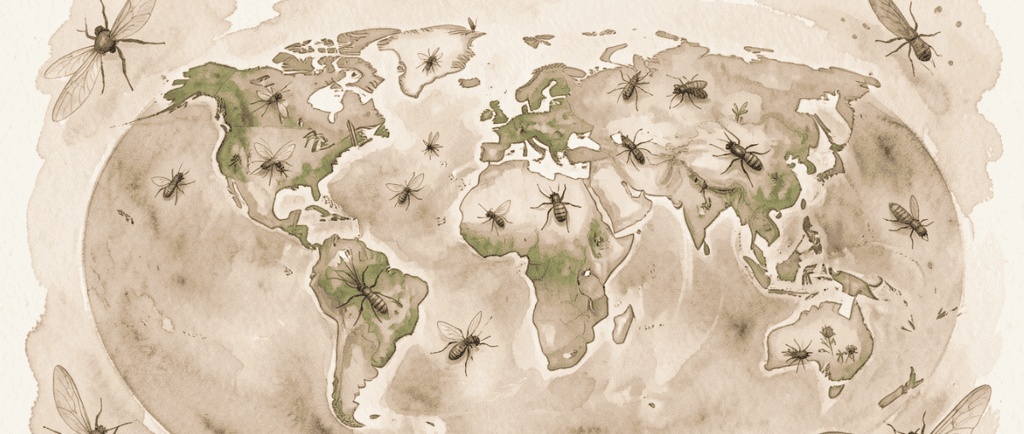
Invasive pests are species that are not native to a particular ecosystem and have the potential to cause harm to the environment, economy, or human health. Unlike native species that are adapted to their local habitats, invasive pests often thrive in new environments where they lack natural predators, resulting in competition that can lead to the decline or extinction of native species. The fundamental difference between invasive and native species lies in their ecological roles and adaptations; invasive species are often more resilient in altered environments, enabling them to proliferate rapidly.
The introduction of invasive pests into new ecosystems can occur through various channels, including global trade, travel, and climate change. As international trade networks expand, the movement of goods and materials can inadvertently transport pests from one region to another. Travelers can also contribute to this issue by unknowingly carrying eggs or larvae on clothing or personal items. Additionally, climate change creates favorable conditions for some invasive species to advance into new territories, as shifting temperatures and altered precipitation patterns can disrupt established ecosystems.
Invasive pests typically exhibit certain characteristics that allow them to dominate in non-native ecosystems. For instance, many of these species reproduce quickly and possess adaptive traits that enhance their survival in unfamiliar conditions. They may also exhibit aggressive behavior, outcompeting native species for resources such as food and habitat. Understanding the defining traits and introduction mechanisms of invasive pests is crucial, as it enables conservationists and policymakers to develop effective strategies for managing their impact on local biodiversity. Comprehensive knowledge in this area is key to mitigating the threats these pests pose to ecosystems worldwide, ultimately aiding in the preservation of native species and their habitats.
Ecosystem Disruption Caused by Invasive Species
Invasive species introduce significant disruptions within established ecosystems, impacting biodiversity and altering natural processes critical for ecological balance. Their arrival can upset the delicate relationships among species, leading to shifts that may have far-reaching consequences for entire habitats. One of the most profound effects of invasive pests is their influence on predation. A non-native predator, for example, may outcompete native predators, ultimately reducing their populations and upsetting the natural equilibrium of food webs.
Competition for resources is another area where invasive pests excel. These organisms frequently reproduce rapidly and possess traits that allow them to thrive in new environments, often overshadowing native species. The competitive advantage of invasive species can lead to native species declines or extinctions, which in turn diminishes the genetic diversity necessary for ecosystem resilience. Such losses contribute not only to a decrease in biodiversity but also disrupt various roles that species play within their ecosystems, further destabilizing food chains and nutrient cycles.
Moreover, invasive species can disrupt symbiotic relationships that are essential for ecosystem health. For example, the introduction of a pathogen or pest can negatively affect mutualistic relationships between plants and pollinators, leading to reduced plant reproduction and food availability for various species. As these relationships deteriorate, the structure of the ecosystem becomes increasingly vulnerable to collapse. Furthermore, the alteration of habitat structure caused by invasive species may affect how nutrients are cycled within the ecosystem, ultimately impacting soil quality, water retention, and the overall productivity of the environment.
In light of these factors, it is evident that invasive pests pose a significant threat to ecological integrity, driving changes that ripple across the entire ecosystem.
The Consequences of Biodiversity Loss
The loss of biodiversity due to the introduction and proliferation of invasive species poses significant threats to ecosystems. As these non-native organisms infiltrate habitats, they often outcompete local flora and fauna, leading to a decline in native populations. This shift not only reduces species richness but also disrupts the intricate web of ecological relationships that sustain ecosystem functioning.
Invasive species frequently alter habitat structures or ecological processes, which can exacerbate the decline of local species. For example, plants that are introduced can change soil chemistry or compete for sunlight, thus hindering the growth of native plants that are crucial for local wildlife. Furthermore, predatory invasive species can decimate native prey populations, leading to localized extinctions. The resulting loss of biodiversity can have cascading effects through the food web, ultimately destabilizing entire ecosystems.
Moreover, the extinction of local species diminishes genetic diversity, which is essential for resilience against environmental changes and diseases. Ecosystems that lack diverse species are less capable of adapting to stressors such as climate change or human-induced alterations. Consequently, the overall stability of ecosystems is compromised, increasing their vulnerability to disturbances. Thus, the implications of biodiversity loss extend far beyond individual species, highlighting the importance of maintaining a balanced ecosystem.
In summary, the consequences of biodiversity loss due to invasive species are profound, affecting everything from individual species decline to broader ecological functions. Maintaining biodiversity is essential for fostering resilience and stability in ecosystems, which underscores the urgent need for conservation efforts to mitigate the impacts of invasive species.
Case Study: Invasive Ants
Invasive ant species, particularly the red imported fire ant (Solenopsis invicta), have posed significant threats to local ecosystems, causing profound disruptions and contributing to biodiversity loss. Native to South America, this species has expanded its range across the United States and other regions, often at the expense of indigenous flora and fauna.
The red imported fire ant is characterized by aggressive behavior and a painful sting, which not only affects the well-being of humans and animals but also alters the dynamics of local ecosystems. Their colonization patterns are typically rapid and extensive, facilitated by high reproductive rates. A single queen can lay thousands of eggs, allowing populations to grow exponentially within a short period. This reproductive advantage enables them to quickly outcompete native ant species.
One of the significant impacts of invasive ants like the red imported fire ant is their aggressive foraging behavior, which often leads to the displacement of native ant populations. This displacement can disrupt the food webs of ecosystems where these ants are introduced. Native ant species often play critical roles in their environments, such as seed dispersal and soil aeration. When invasive ants outcompete them, these essential functions may decline, resulting in further consequences for local biodiversity.
Moreover, invasive ants can also prey on or compete for resources with other organisms, including ground-nesting birds and small mammals. They often disturb the nesting sites of these species, contributing to declines in their populations. The ecological consequences of their presence extend beyond the immediate area, potentially leading to cascading effects that threaten the balance of entire ecosystems.
As a result, managing invasive ant populations becomes crucial for conserving biodiversity and maintaining ecological integrity. Effective strategies may include targeted removal methods and public awareness campaigns to mitigate the spread of such harmful species.
Case Study: Invasive Beetles
Invasive beetles pose significant threats to the stability of ecosystems, with the emerald ash borer (EAB) being a prominent example. This beetle, native to Asia, was first identified in North America in the early 2000s and has since caused widespread mortality in ash tree populations across the United States and Canada. The life cycle of the emerald ash borer includes several stages: egg, larva, pupa, and adult. After the female beetle lays her eggs on the bark of ash trees, the larvae hatch and bore into the tree, where they feed on the inner bark and disrupt the vascular system essential for nutrient transport.
The resultant damage from this feeding behavior leads to the decline of ash trees, resulting in not only a loss of biodiversity but also significant economic ramifications. The loss of these trees affects various species that depend on them for habitat and food, consequently disrupting the ecosystem balance. The death of ash trees can lead to increased soil erosion, altering water runoff patterns and affecting other plant species in the area.
Moreover, in terms of economic impact, the invasion of the emerald ash borer has been staggering. It is estimated that the cost of managing this invasive pest and the subsequent loss of the ash tree resource could exceed billions of dollars. This includes expenses related to removal, reforestation, and the reduced value of forestry products. Local economies that heavily rely on forestry and tourism will likely face challenges as the landscape changes due to the significant loss of ash trees.
Consequently, the case of invasive beetles like the emerald ash borer underscores the complex interplay between invasive species and native ecosystems. The far-reaching consequences extend beyond mere loss of biodiversity, influencing both ecological balance and the socioeconomic structures built around these natural resources.
Strategies for Managing Invasive Species
Managing invasive species is crucial for mitigating their impact on local ecosystems, biodiversity, and agriculture. A multifaceted approach that combines physical, chemical, and biological control methods can be particularly effective in controlling invasive pests.
Physical control methods involve the manual removal of invasive species from an area. This can include methods such as hand-pulling weeds, trapping animals, or mowing invasive plants before they reproduce. While labor-intensive, physical removal is often an immediate and effective solution, especially in localized infestations. Regular monitoring and follow-up are essential to ensure that removed species do not return.
Chemical control entails the use of pesticides and herbicides to reduce or eliminate invasive species. This method can be highly effective but requires careful consideration of potential side effects on native species and the environment. Integrated Pest Management (IPM) can help minimize adverse effects by using chemicals as a last resort after exploring other management methods. It emphasizes the importance of using the least harmful substances and applying them judiciously.
Biological control refers to the introduction of natural predators or diseases that specifically target invasive species. This method can provide long-term control without harming native species as much as other methods might. However, it requires extensive research and monitoring to avoid unintended consequences, such as the new predator becoming invasive itself.
Public awareness plays a pivotal role in managing invasive pests. Educating the public on the identification and prevention of invasive species can help reduce new introductions and spread. Community involvement in monitoring and reporting invasive species can foster a proactive approach to management.
Finally, legislation at local, national, and international levels is essential for regulating the movement of species that may become invasive. Enforcing strict regulations can help contain their spread and encourage responsible practices among businesses and individuals.
Conclusion: The Path Forward
Invasive pests represent a significant threat to ecosystems, leading to biodiversity loss and disruption of indigenous habitats. The consequences of these pests extend beyond immediate ecological impacts, affecting economic systems, public health, and cultural values associated with nature. It is crucial to understand these threats and actively contribute to mitigation efforts.
Firstly, public awareness plays a pivotal role in the fight against invasive species. Individuals and communities must be informed about the types of invasive pests in their regions, recognizing how these species can disrupt local ecosystems. Education programs surrounding the identification of invasive pests and the proper steps to take when encountering them can significantly enhance community engagement in biodiversity conservation initiatives.
Moreover, governments also have a critical role in developing policies aimed at controlling the spread of invasive species. This includes funding research to better understand these pests and their impacts, as well as implementing stricter regulations regarding the importation and movement of potentially harmful species. Strengthening collaborations between scientists, policymakers, and conservation organizations can ensure a comprehensive approach to tackling these ecological threats.
Finally, fostering global cooperation is essential, as invasive pests do not adhere to political boundaries. Regional and international partnerships can lead to effective strategies for monitoring and managing pests, sharing best practices, and coordinating responses. By emphasizing the interconnected nature of ecosystems, stakeholders can work collaboratively to protect biodiversity on a broader scale.
Collectively, addressing the threats posed by invasive pests is not a solitary endeavor but a shared responsibility. Adoption of proactive measures, combined with community involvement and effective governance, can pave the way for healthier ecosystems and sustained biodiversity. The path forward lies in our commitment to preserving the delicate balance of nature, recognizing that every effort counts in maintaining the integrity of our environment.
Address:
264/5, Kamal Soroni Road, Mirpur, Dhaka-1216
Contact
Your Quaries on pest control askings
pestexterminatorbd@gmail.com
+8801642008383 +8801988300003, 01723057746
© 2025. All rights reserved. to Urban Pest Control Pvt. Ltd. this site is powered by Our Own IT Team