
What Pests Do to Homes When No One Is Watching
2/2/20267 min read
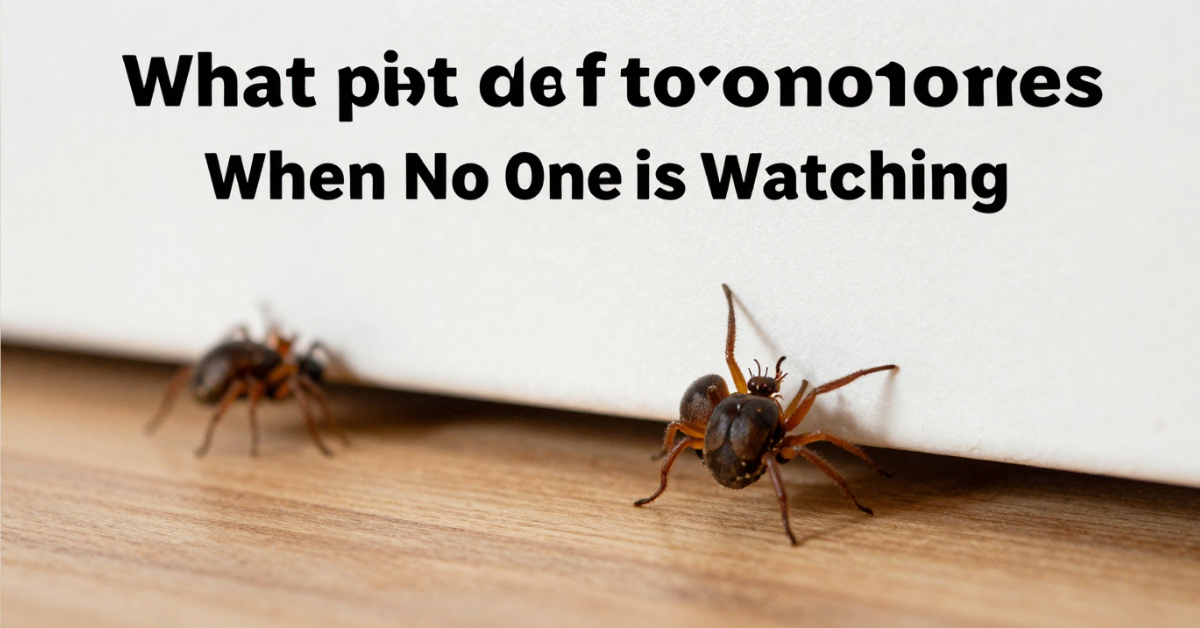
Introduction to Household Pests
Household pests can become an overwhelming problem for homeowners if left unchecked. Among the most common intruders are insects and rodents that enter our homes, seeking shelter, food, and warmth. Understanding the behavior of these pests is crucial for effective prevention and management.
Ants are particularly notorious for their organized colonies and ability to access food sources within homes. These small insects often invade kitchens and pantries, rapidly multiplying and creating trails that can lead to substantial infestations. Meanwhile, termites pose a serious threat to the structural integrity of our houses. Feeding on wood, they can cause extensive damage before homeowners even realize their presence. Their activities often go unnoticed until the consequences become too significant to ignore.
Rodents, including rats and mice, are another common household pest. They can easily enter homes through small openings, leading to health hazards as they carry diseases and contaminate food supplies. Their gnawing habits can damage electrical wiring and insulation, which may also result in fire hazards. Understanding these behaviors is essential because these pests often flourish in unattended spaces, such as attics, basements, and behind walls.
When homes are unoccupied or insufficiently maintained, the likelihood of pest invasion increases dramatically. Factors such as warm climates, available food sources, and undisturbed environments create ideal conditions for household pests to thrive. Consequently, being aware of their potential risks allows homeowners to take proactive measures to protect their properties. Surveillance and maintenance play vital roles in pest control, emphasizing the importance of vigilance in home management.
Signs of Pest Infestation
Pest infestations can silently wreak havoc on homes, often going unnoticed until significant damage has occurred. Homeowners should be vigilant for various signs that indicate the presence of pests. One of the most telling indicators is the discovery of droppings. Depending on the type of pest, these droppings can vary in size, shape, and color. For instance, mouse droppings are small and dark, while those from larger pests such as rats are more substantial and often pointed at one end.
Nests are another common sign of infestation. Pests such as rodents and insects often build nests in undisturbed areas such as attics, basements, or behind walls. These nests may appear as clumps of material, including shredded paper, fabric, or plant matter. Homeowners may also observe gnaw marks on wood, furniture, or wiring, indicating that pests are actively feeding and nesting within the dwelling. Such damage can compromise the integrity of the home and may necessitate costly repairs.
Additionally, structural damage is a critical hallmark of pest activity. Termites, for instance, can significantly weaken a home's foundation by eating through wood and compromising its structural elements. Homeowners are encouraged to assess the condition of their walls and floors regularly; soft spots or visible damage can alert them to potential pest problems. Often, these signs are overlooked, especially in areas of the home that are not routinely inspected.
Awareness and proactive inspection are essential in detecting pest problems before they escalate. Homeowners must remain attentive to these subtle signs, as early intervention can prevent substantial damage and costly pest control treatments.
How Pests Enter Homes
Pests are opportunistic creatures that can infiltrate homes through a myriad of entry points. Understanding these access routes is crucial for preventing infestations. The most common ways pests enter residences include cracks, holes, and gaps in the building's structure.
Cracks in the foundation or walls are often overlooked, as they may appear insignificant. However, even the smallest fissures can serve as gateways for rodents and insects. Rodents, in particular, can fit through openings as slender as a pencil, making it imperative to regularly inspect the integrity of your home's foundation.
Holes around pipes and utility lines are another frequent entry point. As homes experience settling and shifting over time, gaps can form around these areas, creating a perfect entryway. Additionally, gaps in window screens or poorly sealed windows can invite various pests, especially flies and mosquitoes, to invade living spaces.
Neglecting exterior maintenance can significantly contribute to a home's vulnerability to pest invasion. Regular inspection and maintenance of roofs, gutters, and eavestroughs are essential to prevent moisture accumulation, which attracts many pests. Furthermore, keeping shrubs and tree branches trimmed away from the home can deter pests from using these as bridges to access your property.
Sealing cracks and gaps with caulk, replacing damaged screens, and ensuring proper landscaping can substantially reduce the likelihood of pest entry. Investing time into these preventive measures can save homeowners from the hassle and cost of pest control, ultimately leading to a more secure and comfortable living environment.
The Damage Pests Can Cause
When homeowners are not vigilant, pests can wreak havoc in various ways, leading to significant structural and financial consequences. Different types of pests leave distinct kinds of damage, each with its own level of severity.
One of the most notorious home invaders is the termite. Termites are known for causing extensive structural damage, as they feed on wood and wood-based materials. Their relentless gnawing can compromise the integrity of significant structural components, such as beams and supports, ultimately leading to costly repairs if not addressed promptly. In many cases, termites can remain undetected for long periods, allowing them to cause severe damage before being discovered.
Rodents, such as mice and rats, pose a different type of threat. While they may not inflict direct structural damage like termites, their presence can lead to considerable contamination and health risks. Rodents have a tendency to chew through insulation, wiring, and other materials, posing fire hazards and increasing energy costs due to damaged insulation. Moreover, they can contaminate food supplies and surfaces with feces and urine, which can have serious health implications for residents.
Furthermore, pests such as carpenter ants also contribute to structural concerns, similar to termites. They excavate wood to create their nests, which can lead to hollowed-out beams and supports, though they typically inflict less severe damage than their termite counterparts. On the other hand, pests like wasps and bees may not cause structural damage but can compromise living conditions through their aggressive behavior and potential stings.
In juxtaposition, while some pests primarily contribute to structural damage, others expand their impact into areas involving health and hygiene. Recognizing the type of pest being dealt with is essential for homeowners to gauge the severity of the situation and take appropriate action to mitigate these risks.
Health Risks Associated with Pests
Pests pose a significant threat to human health, often invading homes while their inhabitants are unaware of the potential dangers lurking nearby. One of the major health concerns associated with pests, particularly rodents and cockroaches, is the transmission of diseases. Rodents can carry a multitude of pathogens that may lead to serious illnesses such as hantavirus, leptospirosis, and salmonella. These diseases can be transmitted through droppings, urine, and saliva, making it crucial to address rodent infestations promptly.
Cockroaches, too, are notorious for spreading diseases. They can contaminate food and surfaces with bacteria, leading to gastrointestinal disorders. Beyond their role as disease carriers, cockroaches can also trigger asthma and allergy symptoms in sensitive individuals. Their saliva, feces, and shed body parts can become airborne and act as allergens, exacerbating respiratory conditions and causing discomfort for homeowners.
Another set of health risks comes from allergens generated by dust mites, which thrive in warm environments and feed on decaying organic materials. Dust mites are a common trigger for asthma and allergy flare-ups, contributing to a need for consistent household cleanliness and pest management.
Furthermore, pests such as fleas and bedbugs can cause painful bites and lead to secondary infections, as scraping the area may introduce bacteria. Not only do these pests cause physical discomfort, but their presence can also lead to psychological stress and decreased quality of life due to anxiety over infestations.
Taking preventive measures against pests is essential in safeguarding your home and health. Regular inspections, maintaining cleanliness, sealing entry points, and employing pest control methods are vital steps to reduce the risk of pest-related health issues. Being proactive can significantly diminish the prevalence of these unwanted invaders and the associated health risks they bring.
Preventing Pest Infestations
Maintaining a pest-free home requires proactive measures aimed at preventing infestations before they occur. One of the fundamental strategies is ensuring cleanliness throughout the residence. Regularly vacuuming, sweeping, and wiping down surfaces can help eliminate food particles and debris that attract pests. Additionally, storing food in airtight containers and promptly cleaning up spills can significantly reduce the likelihood of pest activity.
Sealing entry points is another crucial step in pest prevention. Inspecting your home for cracks and gaps, especially around windows, doors, and foundations, can help thwart unwanted visitors. Utilities such as plumbing and electrical lines often serve as entry points; thus, using caulk or weather stripping to seal these openings is essential. Furthermore, screens on windows and vents should be checked for holes or damage to ensure they are intact.
Conducting regular inspections of your home is vital for detecting any signs of pest activity early on. Being vigilant even in seemingly vacant areas of the house can prevent a small problem from escalating into a more significant issue. Look for droppings, chewed materials, or nests in hidden corners like attics, basements, and garages. If any signs of pests are observed, it is advisable to act swiftly by consulting a pest control professional.
In conclusion, a combination of cleanliness, the sealing of entry points, and regular inspections can significantly minimize the risk of pest infestations. Homeowners are encouraged to remain diligent in these practices, as vigilance can protect against potential infestations before they can take root.
Conclusion: Staying Proactive Against Pests
In conclusion, it is essential for homeowners to understand the various ways pests can damage their homes when they are unaware of their presence. Pests like termites, rodents, and insects can compromise structural integrity, create unsanitary conditions, and lead to significant financial losses if not addressed promptly. This blog has highlighted the importance of being vigilant and proactive in pest prevention, emphasizing that early detection and intervention are key to keeping homes safe and secure.
Staying informed about common signs of pest infestations can empower homeowners to take action before these unwelcome intruders can cause extensive harm. Regular inspections, maintaining cleanliness, and sealing entry points are vital steps in safeguarding against potential pest problems. By adopting preventative measures, homeowners can mitigate risks and protect their investment.
Importantly, engaging with professional pest control services can provide tailored solutions that enhance home protection. These experts can identify vulnerabilities and implement strategies suitable for specific pest issues, ensuring a proactive approach to pest management. Therefore, it is crucial not to ignore any signs of pest activity and to seek assistance when necessary.
Overall, the responsibility lies with the homeowner to maintain awareness and take decisive action in pest prevention. By fostering a proactive mindset and utilizing available resources, one can successfully navigate the challenges posed by pests, ensuring that homes remain safe, healthy, and free from uninvited guests.
Address:
264/5, Kamal Soroni Road, Mirpur, Dhaka-1216
Contact
Your Quaries on pest control askings
pestexterminatorbd@gmail.com
+8801642008383 +8801988300003, 01723057746
© 2025. All rights reserved. to Urban Pest Control Pvt. Ltd. this site is powered by Our Own IT Team