
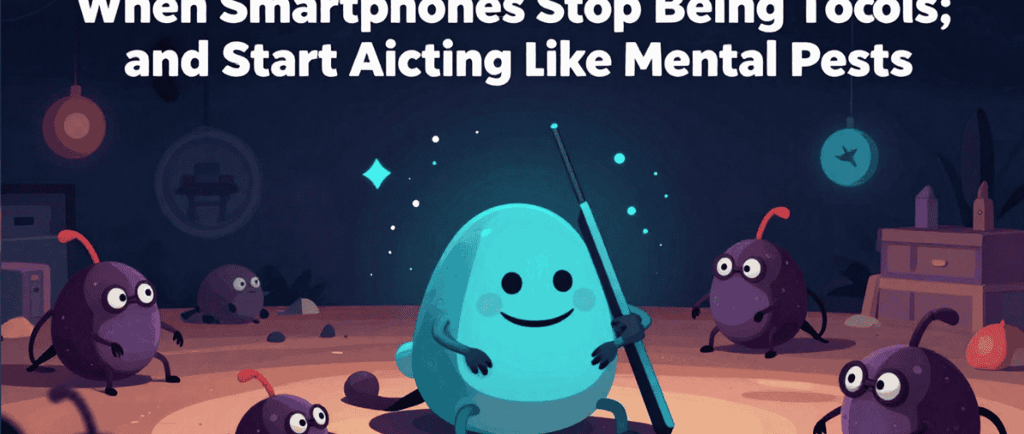
When Smartphones Stop Being Tools and Start Acting Like Mental Pests
2/5/20268 min read
The Rise of Smart Technology and Its Role in Daily Life
Smartphones have significantly transformed from their inception as basic communication devices into essential tools that play multifaceted roles in daily life. Over the years, the advancement of technology has led to the integration of various features that extend beyond mere calling and texting abilities. Modern smartphones now serve as comprehensive platforms for productivity, entertainment, and social connection, thereby altering our interaction with technology.
Today's smartphones are equipped with powerful processors, high-definition cameras, and an array of applications that allow users to perform a multitude of tasks with ease. From managing emails and attending virtual meetings to streaming media and navigating using GPS, the smartphone has become an indispensable component of both personal and professional life. As a result, many individuals have developed a dependence on these devices, relying on them not only for communication but also as organizational tools.
Moreover, the perception of smartphones has evolved. Initially seen as gadgets that made communication more convenient, they are now viewed as vital assets that enhance productivity and streamline routines. This evolution reflects a broader shift in societal habits, where tasks that once required physical labor or dedicated time can now be accomplished within a few taps on a screen. As smartphones continue to develop, incorporating artificial intelligence and machine learning, their role is expected to further expand, underscoring the growing relationship between humans and smart technology.
As we navigate through our daily lives, smartphones often dictate how we interact with others and manage our time. This reliance on smart technology raises questions regarding the balance between utility and dependency. The emergence of these advanced devices marks a significant trend in how technology is shaping modern behavior and lifestyle.
What Makes Smartphones 'Mental Pests'?
Smartphones, while innovative and practical, can significantly impact mental well-being, often manifesting as what some refer to as 'mental pests.' A primary factor contributing to this characterization is the concept of distraction. The myriad notifications and alerts generated by applications on smartphones disrupt focus, leading to an inability to concentrate on tasks at hand. This chronic distraction can induce cognitive fatigue, ultimately decreasing productivity and overall mental health.
Another crucial psychological concept linked to smartphone use is addiction. The compelling urge to check one’s device frequently can mirror behavioral addiction, characterized by an overwhelming desire for usage despite adverse consequences. Research suggests that the dopamine released upon receiving likes or messages forms a feedback loop, akin to other addictive behaviors. This results in users frequently reaching for their phones, leading to a cycle of dependence that is difficult to break.
Furthermore, the rise of social media anxiety cannot be overlooked. The pressure to present oneself positively online often engenders feelings of inadequacy and low self-esteem among users. Individuals may engage in constant comparisons with others, leading to a distorted self-image and heightened anxiety. Coupled with a persistent fear of missing out (FOMO), the compulsive need to remain updated contributes to an ongoing sense of unease.
Information overload is another phenomenon driven by smartphones. The constant barrage of information available at one’s fingertips can be overwhelming, leaving users feeling disoriented and stressed. In addition, the perpetual connectivity it offers can promote overstimulation, diminishing the ability to live in the moment and appreciate real-life interactions. This blend of distractions, anxieties, and excessive information creates an environment where mental well-being may become compromised, ultimately supporting the notion of smartphones as 'mental pests.'
Signs Your Smartphone Has Become a Mental Pest
In today's digital era, smartphones serve essential roles in our daily lives. However, there are telltale signs that may indicate a smartphone, instead of acting as a useful tool, has become a source of anxiety and distraction.
One significant sign is excessive engagement with social media platforms. If you find yourself endlessly scrolling through feeds, seeking validation through likes and comments, it could signify that your smartphone has turned into a mental pest. This compulsive behavior often detracts from real-life interactions and fosters feelings of inadequacy, as users may unwittingly compare their life to the curated experiences presented online.
Another prominent characteristic is the compulsive checking of notifications. The sound of an incoming message or a social media alert can trigger an immediate impulse to check your phone, leading to a cycle of distraction. This habit can disrupt focus and diminish productivity. Moreover, frequent checking may instigate feelings of anxiety; you may worry about missing out or feel pressured to respond promptly to messages.
Persistent feelings of anxiety and stress, specifically induced by smartphone usage, are additional warning signals. The need to stay connected at all times can result in an overwhelming sense of dependency on your device. If your phone usage exacerbates feelings of stress rather than alleviating them, this might indicate an unhealthy relationship with technology.
Lastly, a significant decrease in face-to-face interactions is often a consequence of excessive smartphone usage. If social gatherings or family interactions are consistently interrupted by phone checking, it can hinder meaningful conversations and connections.
Recognizing these signs is crucial for maintaining a balanced relationship with technology and ensuring that smartphones remain tools that enhance our lives rather than hinder our mental well-being.
The Science Behind Smartphone Overuse and Mental Health
The proliferation of smartphones has profoundly transformed communication, access to information, and how individuals interact with their environments. However, increasing evidence indicates that excessive smartphone use may negatively impact mental health, particularly contributing to anxiety, depression, and attention disorders.
Research has shown that high levels of smartphone activity can alter brain chemistry, particularly the regulation of dopamine, a neurotransmitter associated with pleasure and reward. Studies suggest that frequent notifications, social media interactions, and gaming can create a cycle of habitual checking, reinforcing behaviors that contribute to heightened stress levels. This incessant engagement often leads to an emotional response characterized by anxiety and irritability, especially when one is unable to access their device.
Moreover, several studies have linked smartphone overuse to sleep disturbances, which can exacerbate mental health problems. Disruptions in sleep patterns are critical as they impact cognitive function and emotional regulation. For instance, according to a 2020 study, individuals who spend more than two hours a day on their smartphones exhibit significant difficulties falling asleep, which correlates with increased levels of depressive symptoms and general anxiety.
Attention issues are another concerning consequence of smartphone overuse. Research based on cognitive psychology principles indicates that constant notifications can fragment attention and reduce cognitive focus. As users toggle between tasks on their smartphones, the brain requires more effort to regain the elusive state of deep focus, leading to diminished performance in both personal and professional circumstances.
In summary, the scientific literature increasingly underscores the need for mindfulness regarding smartphone use. While these devices serve as valuable tools, their overuse can manifest as mental pests, significantly impacting emotional well-being and cognitive health. Continued research in this domain is essential to fully understand the implications of smartphone dependency and develop effective strategies for mitigating its impact on mental health.
Strategies to Reclaim Mental Space From Smartphones
In an era where smartphones have become omnipresent, reclaiming mental space from these devices is essential for maintaining a healthy balance in life. Various practical strategies can help individuals reduce their reliance on smartphones and foster a more mindful approach to their usage.
Firstly, setting clear usage limits can provide a structured approach to smartphone engagement. Many devices now offer built-in features that allow users to monitor how much time they spend on specific applications. By understanding usage patterns, individuals can set daily or weekly limits that promote moderation. This step not only encourages more disciplined behavior but also helps in identifying which apps consume excessive time, enabling users to allocate that time toward more enriching activities.
Secondly, curating notifications can significantly reduce distractions and interruptions. By customizing notifications to only include essential alerts, individuals can minimize the friction created by constant notifications. This practice aids in maintaining focus and alleviates the anxiety often associated with the fear of missing out on social interactions or crucial updates.
Another effective strategy is implementing 'digital detoxes.' This may involve taking designated breaks from smartphone use, be it for a few hours daily or a full weekend retreat. Such periods of disconnection allow individuals to engage in physical activities or hobbies that foster mental well-being, ultimately highlighting the benefits of real-world interactions as opposed to virtual ones.
Lastly, replacing smartphone time with healthier activities is vital. Instead of reaching for the smartphone during free time, individuals can explore various alternatives such as reading books, exercising, or participating in creative hobbies. Engaging in these activities not only diverts attention but also enhances cognitive functioning and emotional resilience.
The Role of Mindfulness in Managing Smartphone Use
The increasing prevalence of smartphones in daily life has led to a more urgent need for individuals to examine their relationship with these devices. One effective strategy that has emerged is mindfulness, a practice that encourages awareness of the present moment. Mindfulness can serve as a powerful tool in managing smartphone use, fostering a greater sense of control and connection to one’s surroundings. By implementing mindfulness techniques, individuals can cultivate an awareness that helps diminish the often compulsive checking of notifications and updates.
Mindfulness involves a variety of practices, including meditation, breathing techniques, and mindful awareness of thoughts and sensations. For instance, dedicating a few minutes each day to meditation can help establish a calming routine, promoting clarity and focus. This practice encourages users to reflect on their usage patterns and recognize the times when they might be reaching for their devices out of habit rather than necessity.
Another aspect of mindfulness is the ability to engage fully with one’s environment. By practicing mindful awareness, individuals can appreciate real-life interactions, enhancing their social engagement and overall well-being. This approach encourages a conscious decision-making process regarding smartphone use, helping individuals set boundaries that prioritize face-to-face connections over virtual interactions.
In addition to meditation and awareness practices, setting specific times for smartphone engagement can significantly improve one’s relationship with technology. By creating designated periods for checking devices, individuals can take control of their smartphone engagement rather than allowing the device to dictate their actions. Integrating mindfulness into everyday routines may lead to reduced stress and a more balanced lifestyle, as individuals become more intentional with their phone use.
Looking Ahead: The Future of Smartphone Use and Mental Health
The future of smartphone technology is poised for transformation, driven by increasing awareness of its impact on mental health. As society grapples with the complexities of smartphone use, it is imperative for manufacturers and developers to recognize their role in promoting healthier behaviors. Innovations in smartphone design and functionality could cater to the pressing need for balance in users' digital lives. This evolution might include features such as enhanced monitoring of screen time, personalized usage recommendations, and tools that encourage breaks from device dependency.
Furthermore, there is potential for the integration of mental well-being applications that guide users in mindfulness practices and mental health education directly through their smartphones. By prioritizing user health over sheer engagement metrics, developers can shift the current paradigm from addictive interfaces to supportive digital environments. For instance, incorporating reminders for physical activity or digital detox periods could foster healthier usage patterns, ultimately benefiting mental health.
Moreover, the shift towards sustainable smartphone use entails collaborative efforts between tech companies, mental health professionals, and the users themselves. Disseminating knowledge about the psychological impacts of smartphone reliance and establishing guidelines for healthy consumption habits may play a crucial role. Through educational campaigns and accessible resources, users can become more conscious of their smartphone habits.
As we look forward, the societal implications of this evolution cannot be understated. A collective movement towards healthier smartphone behaviors holds the promise of mitigating issues like anxiety, depression, and social isolation linked to excessive use. Manufacturers that focus on user-centric innovations will not only enhance mental well-being but also build lasting trust with their consumer base.
Address:
264/5, Kamal Soroni Road, Mirpur, Dhaka-1216
Contact
Your Quaries on pest control askings
pestexterminatorbd@gmail.com
+8801642008383 +8801988300003, 01723057746
© 2025. All rights reserved. to Urban Pest Control Pvt. Ltd. this site is powered by Our Own IT Team