
Which Pests Cause the Greatest Economic Losses Worldwide?
2/6/20268 min read
Introduction to Pest Impact on the Global Economy
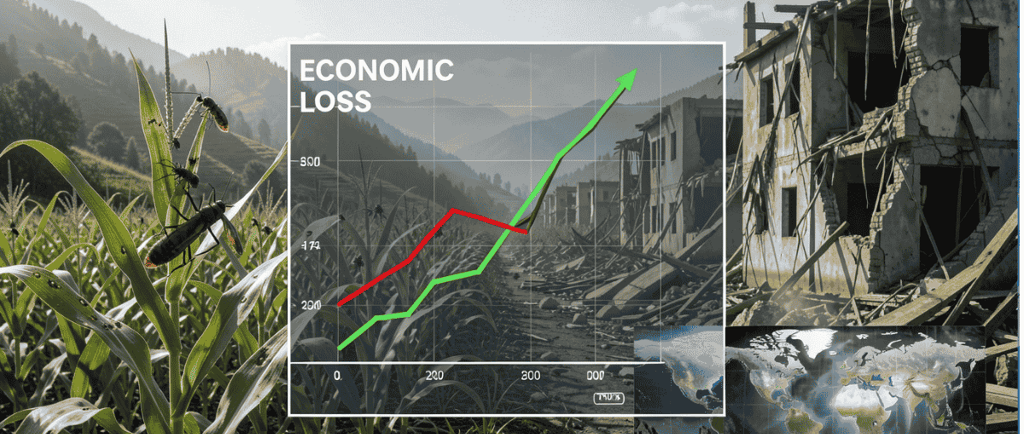
Pests, which encompass a range of species from insects to rodents, pose significant threats to various sectors of the global economy, especially agriculture, infrastructure, and urban environments. Understanding the impact of these organisms is critical, as it directly correlates with food security and overall economic stability. The agricultural sector, the backbone of many economies, suffers profoundly due to pests. Reports indicate that crop losses attributed to pest infestations can exceed millions annually, affecting both production levels and food prices.
In agriculture, pests not only damage crops but also facilitate the spread of diseases among plants. This leads to decreased yields and increased costs associated with pest management efforts. Farmers often find themselves engaging in ongoing battles against these invaders, which can divert resources from other important agricultural investments, such as improving crop technology or enhancing soil health. Furthermore, the resultant food shortages can push prices up, affecting both local and global markets.
In addition to agricultural losses, pests can severely impact urban infrastructure. Urban pests, including termites, rodents, and cockroaches, can damage buildings and contribute to costly repairs and maintenance. Municipalities may incur substantial expenses due to pest control measures, as well as public health concerns stemming from pest infestations. The implications extend beyond immediate financial costs; urban pest problems can degrade quality of life, reduce property values, and strain public resources.
Thus, the pervasive effects of pests transcend merely agricultural concerns and permeate through various facets of everyday life. Acknowledging and addressing these impacts is essential for fostering a stable economy. By developing effective pest management strategies and policies, society can not only safeguard its food supply but also reinforce the foundation of its economic structure.
Overview of Agricultural Pests and Their Economic Consequences
Agricultural pests represent a significant challenge to global food production and economic stability. These pests can come in various forms, including insects, weeds, fungi, and nematodes. Each category poses unique threats to crops, impacting yields and the economic viability of agricultural practices worldwide. For instance, notorious pests like locusts and aphids can devastate fields within days, exacerbating food scarcity and inflating prices.
The economic consequences of agricultural pests are far-reaching. According to estimates by the Food and Agriculture Organization (FAO), pests can reduce crop yields by as much as 40%, leading to substantial losses in agricultural output. When crops fail due to pest infestations, farmers are left with diminished incomes, which can spill over to affect entire communities that rely on local agriculture. This becomes particularly concerning in developing regions where agriculture serves as the backbone of economic activity and employment.
The impact of agricultural pests extends beyond immediate yield losses. Price fluctuations resulting from pest-related shortages can lead to increased food prices, directly affecting consumers’ purchasing power and food accessibility. Such conditions risk undermining food security, particularly for vulnerable populations. Furthermore, the diversion of resources to manage pest infestations—such as increased spending on pesticides and other control measures—can strain smallholder farmers, forcing them to compromise on other critical aspects of their operations.
Ultimately, the ramifications of agricultural pests are complex and multifaceted, reflecting both economic hardships for farmers and broader implications for food security. Effective management strategies and collaborative efforts to combat these pests are crucial to safeguard agricultural systems and maintain economic stability for regions dependent on farming.
Structural Pests: Threats to Infrastructure and Economy
Structural pests, such as termites, carpenter ants, and wood-boring beetles, pose a significant threat to buildings and infrastructure, leading to extensive economic repercussions. These pests primarily damage wooden structures, which are integral to the stability and safety of homes, commercial properties, and public buildings. The presence of structural pests can compromise the integrity of vital support systems, resulting in costly repairs and, in extreme cases, complete overhauls of affected areas.
The economic implications of neglecting proper pest management are substantial. Repair costs attributed to pest infestations can escalate quickly—what may begin as minor damage can, over time, manifest into significant structural issues requiring extensive remediation. For instance, a termite infestation may go unnoticed until it leads to noticeable damage, necessitating invasive repair techniques and the replacement of beams, joists, or entire walls. Research shows that homeowners may spend thousands of dollars on repair work, a financial burden that is often unaccounted for in property valuations.
Moreover, structural damage influences property values negatively, further impacting local economies. Buildings suffering from pest-related issues are less likely to attract buyers, leading to decreased real estate prices in affected neighborhoods. Additionally, the presence of pests can create public health concerns, as structural damage may compromise sanitary conditions, leading to potential hazards for residents and affecting overall community wellbeing.
In conclusion, the economic losses attributable to structural pests extend beyond mere repair costs. They encompass reduced property values, diminished public perception of affected areas, and potential public health risks. Effective management and prevention strategies must be prioritized to mitigate the broader economic consequences of neglecting structural pest threats.
Urban Pests and Their Economic Burden
Urban areas are increasingly facing challenges from a variety of pests that significantly impact the economy and the quality of life for residents. Common urban pests such as rats, cockroaches, termites, and bedbugs not only pose health risks but also lead to substantial economic burdens on cities. These pests thrive in densely populated environments where food sources and suitable habitats are readily available, creating a persistent challenge for city management.
The financial implications of urban pests are considerable. Firstly, property damage is a major consequence associated with infestations. Termites alone cause billions of dollars in damages annually as they compromise the structural integrity of homes and buildings. This damage often necessitates expensive repairs, which can be financially devastating for property owners and can contribute to a decline in property values within affected neighborhoods.
Moreover, urban pests can have serious public health implications, resulting in increased healthcare costs for residents. Illnesses caused by pests, such as allergies linked to cockroaches or diseases spread by rodents, contribute to higher medical expenses and strain healthcare systems, particularly in low-income communities. Furthermore, the anxiety and stress stemming from pest infestations significantly affect residents’ quality of life, leading to a decrease in overall well-being.
The costs associated with pest control measures can also be exorbitant for both individuals and municipalities. Cities often allocate considerable resources towards pest management programs, but these efforts may not be enough to fully eradicate pest populations, underscoring the need for coordinated strategies that address underlying issues. Ultimately, the economic disparities exacerbated by urban pest problems emphasize the necessity for comprehensive pest management solutions to protect both public health and the economic vitality of urban centers.
Food Security at Risk: The Interconnectedness of Pest Infestation and Human Needs
Pest infestation is a pressing issue that poses significant threats to agricultural productivity and, consequently, to global food security. In the realm of agriculture, pests such as insects, weeds, and diseases can drastically reduce crop yields, leading to lower food production volumes. This reduction in agricultural output not only hampers food availability but also escalates food prices, creating a scenario where vulnerable populations are disproportionately affected. The Food and Agriculture Organization (FAO) has identified that loss of crops due to pests can lead to increased scarcity, which exacerbates existing food insecurity in various regions.
The relationship between pest management and food security is multifaceted. When pest populations go unchecked, the impact on crops can be dire, causing substantial drops in the quantity and quality of food produced. For instance, certain pests can completely decimate staple crops such as rice, maize, and wheat, which are crucial for feeding billions across the globe. This decline not only affects the immediate food supply but also has long-term implications for nutrition and health, particularly in food-insecure regions where agricultural systems are already fragile.
Moreover, pest-induced losses produce a ripple effect throughout the agricultural economy. Farmers facing low yields due to pest outbreaks are often forced to raise prices on their remaining products, making food less accessible to low-income households. As highlighted by various studies published by the FAO, effective pest management strategies are essential to mitigate these impacts. Implementing integrated pest management practices can significantly reduce reliance on chemical pesticides while promoting sustainable agricultural practices that support long-term food security.
In summary, pest infestation is not merely an agricultural issue but a profound challenge to food security that affects human welfare globally. Addressing this challenge requires a concerted effort in pest management to ensure stable food supplies and equitable access to nutritious food for all populations, especially the most vulnerable.
Preventive Measures and Economic Opportunities in Pest Control
The impact of pests on agricultural production, structural integrity, and urban habitats is profound, often leading to significant economic losses. To mitigate these effects, it is essential to implement preventive measures that encompass integrated pest management (IPM) practices. IPM combines biological, cultural, physical, and chemical tools in a structured manner, aiming to minimize the risks to human health and the environment while maximizing the efficiency of pest control efforts.
One of the primary benefits of adopting IPM practices is the reduction in economic losses from pest infestations. These methods not only target the pests but also take into consideration the entire ecosystem, promoting sustainability. By utilizing biological controls, such as introducing natural predators, farmers can curtail pest populations without relying heavily on chemical pesticides, which can be costly and harmful. Furthermore, employing crop rotation and selecting pest-resistant varieties can significantly diminish the likelihood of infestations, thus safeguarding yields and profits.
The role of innovation and technology in pest management cannot be overstated. Advances in precision agriculture, such as the use of drones for monitoring crop health and pest activity, allow for timely interventions that can prevent more extensive damage. Additionally, data analytics can help farmers predict potential pest outbreaks, enabling them to take preemptive action. Consequently, these technological implementations not only reduce reliance on pesticides but also create economic opportunities by leading to reduced input costs and increased crop quality.
In essence, effective pest control strategies not only minimize losses but can also lead to improved farm profitability. As more agricultural stakeholders recognize the long-term benefits of adopting integrated pest management and innovative technologies, the potential for economic growth in this sector remains substantial. A shift towards preventive measures in pest control could ultimately redefine agricultural practices and urban planning, ensuring economic resilience in the face of pest challenges.
Conclusion: The Way Forward for Economies Facing Pest Challenges
Throughout this discourse, we have examined the significant economic repercussions caused by agricultural, structural, and urban pests. These pests not only threaten food security but also burden economies through direct losses, increased management costs, and adverse effects on public health. By recognizing the multifaceted impacts of these pests, it becomes evident that a strategic and proactive approach to pest management is essential.
One of the foremost steps towards addressing the challenges posed by pests is the adoption of integrated pest management (IPM) strategies. IPM combines various methods, including biological control, habitat manipulation, and responsible chemical use, to create a more sustainable approach to pest control. This holistic methodology can aid in reducing pesticide resistance and minimizing environmental harm, which is increasingly important in today's ecological landscape.
Moreover, collaboration among governments, industries, and local communities is pivotal in developing effective pest management systems. Stakeholders must engage in knowledge sharing and resource allocation to create comprehensive policies that address pest-related challenges. Educational programs aimed at informing farmers and urban planners about best practices in pest control can foster local engagement and adaptability.
Investment in research is equally vital. Understanding pest life cycles, behaviors, and interactions with their environment can lead to more effective control measures, contributing to enhanced food security and economic stability. As economies grapple with the hidden costs imposed by pests, the integration of scientific advancements with community involvement may serve as a viable path forward.
In conclusion, addressing the threats posed by agricultural, structural, and urban pests requires a united effort. By prioritizing proactive management, fostering collaboration, and supporting research initiatives, economies can mitigate the effects of these pests, ultimately securing a more sustainable and prosperous future.
Address:
264/5, Kamal Soroni Road, Mirpur, Dhaka-1216
Contact
Your Quaries on pest control askings
pestexterminatorbd@gmail.com
+8801642008383 +8801988300003, 01723057746
© 2025. All rights reserved. to Urban Pest Control Pvt. Ltd. this site is powered by Our Own IT Team