
Why Are Pest Problems Increasing Worldwide? Causes, Climate & Human Impact
2/6/20268 min read
Introduction: Understanding Pest Populations
Pest populations are a significant aspect of ecological dynamics, representing organisms that negatively impact human activities and the environment. A pest is typically defined as any organism that competes with humans for resources or causes harm to agricultural practices, health, or property. Common examples include insects like locusts and aphids, rodents such as rats and mice, and other organisms like certain weeds and fungi. Understanding pest populations is crucial as they play multifaceted roles within ecosystems, often serving as part of the food chain while also affecting biodiversity.
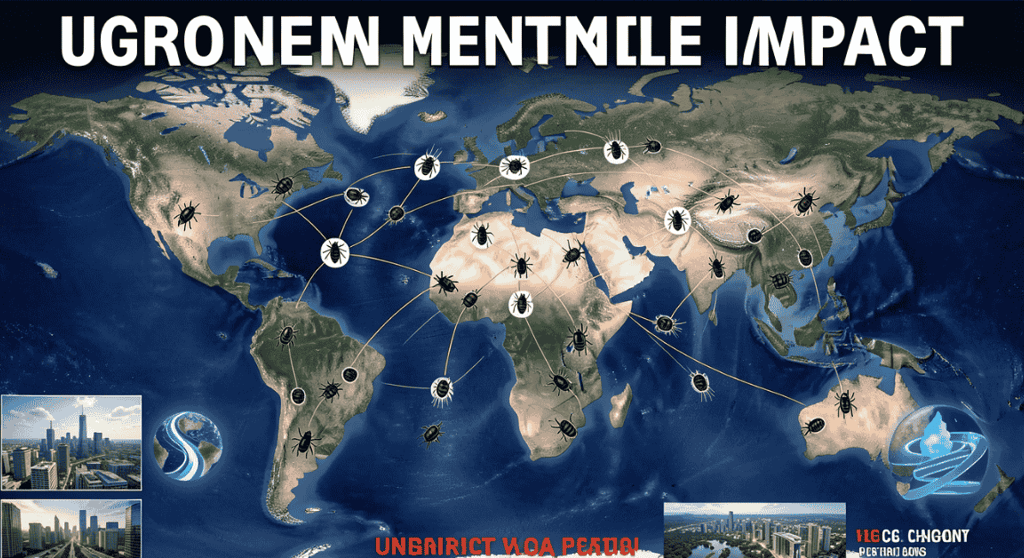
The study of pest populations has become increasingly urgent due to a notable rise in pest numbers across various global regions. This phenomenon poses challenges not only for agricultural productivity but also for public health and ecological stability. Some pests adapt rapidly to changing environments, leading to increased resistance against control measures, which in turn complicates management efforts. Environmental changes such as urbanization, climate variations, and globalization of trade are key factors contributing to this surge.
This article aims to explore the causes behind the growth of pest populations and their implications. Given the complexities of pest management, it is vital to understand the underlying factors driving this increase. Pest populations can cause extensive damage to crops, disrupt ecosystems, and become a vector for diseases. Therefore, recognizing why these populations are surging is essential for developing effective strategies in pest control and prevention. Understanding these dynamics can also inform policymakers and stakeholders about the potential risks involved and the need for timely interventions.
Climate Change: The Catalyst for Pest Proliferation
Climate change plays a pivotal role in influencing the dynamics of pest populations across the globe. Rising temperatures, changing precipitation patterns, and frequent climate extremes contribute significantly to the increased prevalence and reproductive success of various pest species. As global temperatures rise, many insects find themselves in an increasingly favorable environment, allowing for an extended growing season and heightened reproductive rates.
For instance, locust swarms have become a pressing concern in Africa. The changing climate has created ideal conditions for locust breeding, demonstrating the direct impact of environmental modifications on pest behavior. Warmer temperatures enable faster development of locusts, quickly escalating their populations. Moreover, altered rainfall patterns can lead to an abundance of vegetation, supplying much-needed sustenance that further promotes locust proliferation, making them a significant agricultural threat.
Similarly, the spread of mosquitoes has been observed in various regions, linked closely with climate change. Warmer climates have expanded the range and lifecycle of mosquito species like Aedes aegypti and Anopheles, which are responsible for transmitting diseases such as dengue fever and malaria. These changes in pest behaviors and populations are not only detrimental to human health but also to livestock and crop production, resulting in severe economic strains.
Moreover, stages in the pest life cycle are also closely intertwined with climate variables. Warmer winters can lead to higher survival rates for pests that would typically perish, propagating higher populations in subsequent seasons. Consequently, these complex interactions underscore the urgency for researchers and policymakers to understand how climate change affects pest populations globally. Addressing these challenges requires comprehensive strategies focused on climate resilience and sustainable agricultural practices.
Urbanization: A Growing Habitat for Pests
Urbanization has dramatically transformed landscapes, giving rise to complex environments that often favor pest populations. The rapid expansion of cities has led to a substantial increase in waste generation, setting the stage for pests to thrive. Urban areas are particularly prone to attracting rodents, insects, and other pests due to the abundance of food sources originating from household waste, discarded food items, and composting practices that may not always be well-managed.
Moreover, construction activities prevalent in expanding urban settings create numerous hiding spots and factors conducive to pest reproduction. This extensive development disrupts local ecosystems, reducing the presence of natural predators that would otherwise help mitigate pest populations. Without these biological controls, pests like cockroaches, mice, and termites have the opportunity to flourish unchecked.
Major cities around the world are struggling to manage growing pest populations as a consequence of urbanization. For instance, New York City faces significant challenges with bed bugs and rats, attributed largely to its densely populated environment combined with a high turnover of waste. Similarly, in cities like Mumbai, the rapid construction coupled with inadequate municipal sanitation efforts has led to a surge in mosquito populations, raising concerns over public health and potential outbreaks of diseases like dengue fever.
These examples illustrate that the challenges posed by urbanization are not merely localized but reflect a global phenomenon. As urban areas continue to expand without effective pest management strategies, they create ideal habitats for pests to thrive, posing risks to both local ecosystems and human health. Understanding the relationship between urbanization and pest population dynamics is critical for developing effective management solutions that ensure urban environments remain livable.
Pesticide Resistance: A Barrier to Control
The phenomenon of pesticide resistance has emerged as a significant challenge in managing pest populations globally. Over the past few decades, the widespread reliance on chemical pesticides in agricultural practices has inadvertently selected for resilient pest strains. As these pests encounter these chemicals repeatedly, they adapt, leading to populations that are less susceptible or entirely immune to the active ingredients, effectively creating a barrier to pest control.
In North America, for instance, the evolution of resistant insect populations has been documented in various key agricultural pests. The Western corn rootworm, a notorious detractor of maize crops, has developed resistance against multiple classes of insecticides. Similarly, the cotton bollworm has shown remarkable adaptability, leading to significant economic losses in cotton production. Such examples highlight not only the agricultural challenges but also the need for a reassessment of pest management strategies.
The consequences of pesticide resistance extend beyond increased pest populations; they also lead to higher economic costs for producers. Farmers may find themselves forced to apply higher doses of pesticides or switch to more toxic alternatives, which poses a risk to environmental and human health. Moreover, this cycle of resistance may contribute to a reliance on chemical solutions rather than integrated pest management approaches that could mitigate resistance development.
Addressing pesticide resistance requires a multi-faceted approach that emphasizes sustainable agricultural practices. Crop rotation, the use of resistant crop varieties, and the integration of biological control methods can significantly reduce the reliance on chemical inputs. By understanding the mechanisms of resistance and adopting more holistic pest management strategies, farmers in North America and around the world can help to curb the escalating issue of pesticide resistance.
Global Trade: Facilitating Pest Spread
The expansion of global trade has profoundly influenced the dynamics of pest populations worldwide. As markets become increasingly interconnected, the movement of goods has accelerated, inadvertently providing pathways for pests to cross borders and establish themselves in new environments. This phenomenon is particularly evident in international shipping, where containers can unknowingly harbor invasive pest species.
One striking example includes the transportation of wood products, which can be infested with wood-boring insects such as the Asian longhorned beetle. This pest, originally from Asia, has made its way to North America and parts of Europe through wooden shipping pallets and crating materials. Similarly, the brown marmorated stink bug, another invasive species, has proliferated across the United States following its introduction through shipping and cargo transport.
Furthermore, travel plays a significant role in the spread of pests. Air travel exposes travelers to a variety of environments, creating opportunities for pests to accompany individuals across long distances. For instance, insects like the red imported fire ant and the Mediterranean fruit fly have been documented as hitchhikers on luggage and vehicles, leading to their rapid establishment in non-native regions.
The prevalence of global trade is not limited to indirect introductions of pests. Freight shipments often lack rigorous inspection protocols, particularly in regions with fewer resources or less stringent regulations. Inadequate quarantine and inspection measures can lead to the unnoticed entry of invasive species, which may lack natural predators in their new surroundings, allowing them to thrive and spread uncontrollably.
As pest populations continue to surge in response to global trade patterns, addressing these challenges requires coordinated international efforts. States and organizations will need to enhance inspection methods, improve compliance with pest management protocols, and foster better awareness regarding the implications of transporting goods across borders. Only through such concerted actions can the impact of global trade on pest spread be mitigated effectively.
Environmental Imbalance: The Decline of Natural Predators
Natural predators play a critical role in controlling pest populations. Their presence in an ecosystem often determines the balance between beneficial organisms and harmful pests. However, various human-driven activities have disrupted this balance, resulting in a significant decline in predator populations globally.
One of the foremost contributors to this environmental imbalance is habitat destruction, which occurs through urbanization, deforestation, and agricultural expansion. As natural habitats are converted into urban areas or intensive farmland, the oscillation of ecosystems is dramatically affected, leaving predators with fewer resources and places to thrive. Without adequate habitats, many natural predators such as birds, bats, and beneficial insects are unable to survive, leading to a relative overpopulation of pests.
Pollution is another factor that has detrimentally impacted predator populations. The use of harmful pesticides not only targets pests but also affects other non-target species, including natural predators. These chemicals can diminish the health of predator populations and reduce their ability to control pest numbers effectively. In regions heavily reliant on agricultural practices that employ chemical pest control, the correlation between chemical exposure and predator decline is evident, showcasing a vicious cycle where pests thrive unchecked due to the loss of their natural predators.
Owing to these factors, numerous ecosystems across the globe exhibit marked declines in biodiversity, where pest populations flourish due to the lack of natural checks. Studies illustrate that as predator species diminish, areas previously regulated by these species experience increased insect infestations, leading to detrimental impacts on crops and local economies. This is not only an environmental concern but also an economic one, as it threatens food security and sustainable land use practices.
This imbalance has prompted researchers and policymakers to advocate for conservation measures aimed at restoring predator populations as a means to maintain ecosystem health and resilience against pest outbreaks. By recognizing the importance of natural predators and addressing the factors leading to their decline, societies can work towards a more balanced and sustainable approach to pest management.
Conclusion: Addressing the Growing Pest Challenge
The increasing prevalence of pest populations across the globe is driven by a complex interplay of factors. Climate change plays a pivotal role, as shifts in temperature and precipitation patterns create more favorable conditions for pests. Urbanization and industrialization further exacerbate this challenge by providing pests with myriad habitats, food sources, and environments conducive to their proliferation. Additionally, global trade and movement of goods facilitate the rapid spread of invasive species that can outcompete local populations.
Addressing the rising pest populations requires a comprehensive, multidisciplinary approach. It is crucial to combine environmental protection strategies with innovative pest control methods. One potential solution involves integrating sustainable agricultural practices which minimize chemical usage while promoting biodiversity. This not only helps to manage pest populations effectively but also preserves beneficial insect species that contribute to ecosystem balance.
Public awareness and education are critical components in combating pest infestations. Informing communities about the identification and management of common pests can empower individuals to take action before infestations escalate. Implementing community-based initiatives can also foster cooperation among residents to share resources and strategies, enhancing overall effectiveness in pest management.
Furthermore, leveraging technology in pest control is essential. Advances such as precision agriculture, biological pest control, and genetic engineering present promising avenues for reducing pest populations with minimal ecological impact. Future research and development should focus on these innovative solutions while ensuring they are environmentally sustainable.
In summary, the growing challenge posed by pest populations requires immediate and targeted actions. By integrating environmental considerations, innovative technologies, and public engagement, we can develop effective strategies to manage pests sustainably and maintain ecological balance. Only through such a coordinated effort can we hope to mitigate the risks associated with burgeoning pest populations on a global scale.
Address:
264/5, Kamal Soroni Road, Mirpur, Dhaka-1216
Contact
Your Quaries on pest control askings
pestexterminatorbd@gmail.com
+8801642008383 +8801988300003, 01723057746
© 2025. All rights reserved. to Urban Pest Control Pvt. Ltd. this site is powered by Our Own IT Team