
Why Cockroaches Keep Coming Back Even After Cleaning
1/24/20267 min read
Understanding Cockroach Behavior
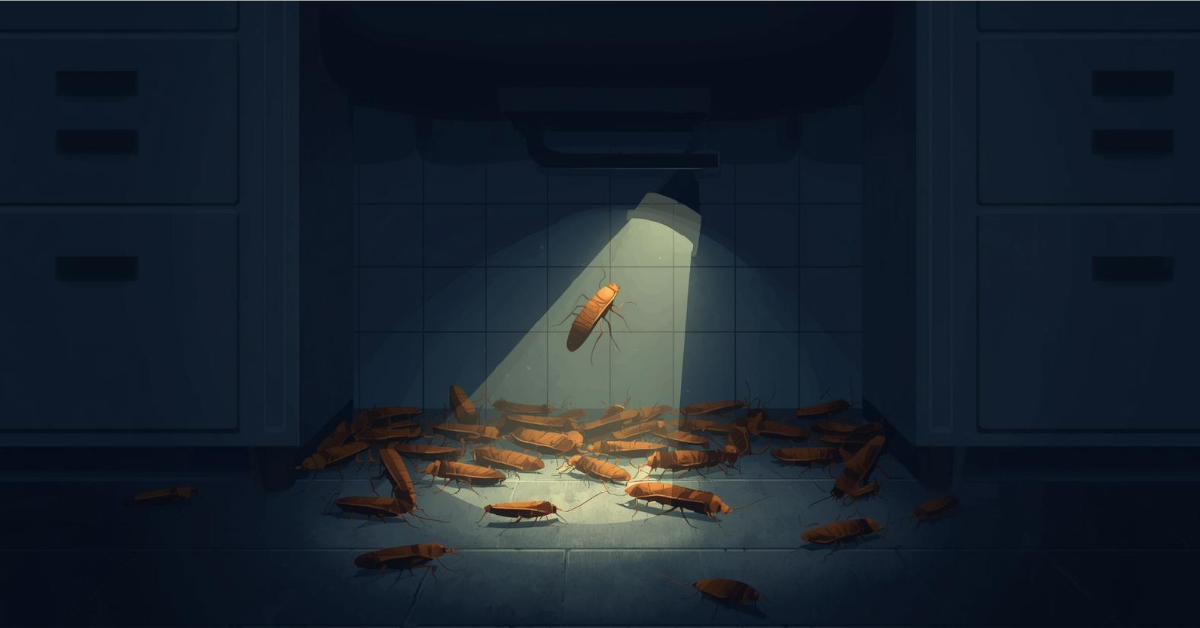
Cockroaches are fascinating creatures with survival instincts and behaviors that have allowed them to thrive in various environments, particularly in human dwellings. Their nocturnal nature is one of the primary reasons why they remain elusive and difficult to control. Active during the night, cockroaches tend to avoid bright lights, which in turn allows them to scavenge and explore their surroundings unnoticed. This nocturnal behavior complicates detection and eradication efforts, making it easy for them to persist despite human cleaning efforts.
Feeding patterns also contribute significantly to the resilience of cockroaches. As omnivores, they have a highly varied diet, eating anything from food scraps to organic matter. This adaptability allows them to thrive in various settings, even when food availability fluctuates. Moreover, they can survive for an extended period without food, making them less dependent on immediate sources of nourishment, which means they do not vanish from an area easily, even after thorough cleaning.
Another reason for the persistence of cockroaches in our homes is their ability to reproduce prolifically. A single female cockroach can produce hundreds of offspring in her lifetime, leading to rapid population growth if these insects are not effectively managed. Moreover, the various species of cockroaches have developed urban-oriented behaviors, enabling them to exploit the resources and conditions that human environments offer. These traits not only help them to survive but also create a substantial challenge in efforts aimed at long-term elimination.
In conclusion, understanding the behavior of cockroaches is pivotal in developing effective control methods. Their nocturnal activity, diverse diet, and rapid reproduction rate are significant factors that facilitate their resilience, allowing them to return even after cleaning efforts. Effective pest management strategies must consider these behaviors for frustratingly successful outcomes.
Common Reasons for Cockroach Infestations
Cockroaches are notorious for their resilience and ability to infest homes and buildings, often returning even after thorough cleaning efforts. Understanding the common causes of cockroach infestations is essential for effectively managing and preventing their recurrence. One of the primary reasons roaches invade a space is poor sanitation. Residual food particles, grease, and crumbs left on surfaces provide an attractive food source for these pests. It is crucial to maintain cleanliness in kitchens and dining areas to minimize the likelihood of attracting cockroaches.
Access to food and water is another significant factor contributing to infestations. Cockroaches are highly adaptive creatures that can survive without food for extended periods, but they require moisture to thrive. Leaky pipes, unsealed drains, and even standing water can serve as vital water sources for these insects. Addressing any plumbing issues and ensuring proper drainage can reduce their chances of finding suitable living conditions.
Structural flaws in buildings also play a crucial role in allowing cockroaches to enter. Cracks in walls, gaps around doors, and openings around windows can easily provide entry points for these pests. Regular inspections of a building’s structure and sealing potential entryways can greatly contribute to preventing infestations. Beyond physical barriers, a comprehensive pest management strategy should include eliminating as many attractants as possible.
In summary, by understanding the common reasons behind cockroach infestations—such as inadequate sanitation, availability of food and water, and structural vulnerabilities—homeowners can take proactive measures to create an environment that deters these unwanted visitors. This knowledge is vital for ensuring long-term pest control and maintaining a pest-free space.
Ineffective Cleaning Methods
Cockroaches are notorious for their resilience, often returning to homes despite seemingly thorough cleaning efforts. One common issue is the reliance on basic cleaning practices, which may not sufficiently address the factors that attract and harbor these pests. Routine cleaning may include sweeping, mopping, and dusting, but it often overlooks critical areas where cockroaches hide, such as behind appliances, within wall cavities, or in clutter.
Merely cleaning surface areas does not eliminate cockroach infestations, especially since these insects are adept at nesting in small, undisturbed spaces. Many homeowners focus on visible messes while neglecting the hidden environments that serve as safe havens for cockroaches. This oversight can create a false sense of security, leading to the inevitable return of the pests.
Furthermore, while chemical solutions, such as sprays and baits, are common methods for cockroach control, they can prove ineffective if not combined with effective cleaning strategies. Chemical treatments alone may kill active cockroaches but fail to address their breeding sites and food sources. Moreover, if the chemical treatments are not applied correctly or if the environment is unsuitable, cockroaches can develop resistance over time, rendering these treatments less effective and allowing the infestation to continue.
To effectively deter cockroaches, a comprehensive approach is essential. This approach involves not only thorough cleaning but also targeting potential hiding places and ensuring that chemical solutions are used judiciously and in conjunction with behavioral changes that reduce accessibility to food and water sources. Addressing multiple layers of the problem is crucial for achieving long-term pest control and preventing reinfestation.
Life Cycle of a Cockroach
The life cycle of a cockroach is a significant aspect to consider when addressing pest control measures. From egg to adult, the development process comprises three primary stages: egg, nymph, and adult. Understanding these stages is crucial for effectively managing and eradicating cockroach populations.
Initially, a female cockroach produces an egg case known as an ootheca. This egg case contains several eggs, typically ranging from 30 to 40, depending on the species. The ootheca is often hidden in sheltering spots like cracks, crevices, or behind appliances, making it difficult to detect. Once the eggs are laid, they incubate for about one to two months before hatching into nymphs. During this time, it is essential for pest control measures to target not just the adult cockroaches but also the egg cases to prevent further population surges.
Nymphs emerge resembling miniature adults but lack the fully developed wings and reproductive capabilities. They undergo a series of molts, known as instars, where they shed their exoskeletons to grow. This process can take anywhere from several weeks to months, depending on environmental conditions and food availability. Throughout this nymph stage, cockroaches are particularly vulnerable, and targeted interventions can effectively reduce their numbers.
Once nymphs reach maturity, they transition into adult cockroaches. At this stage, they start reproducing, thereby rapidly increasing the population if left unchecked. A single female cockroach can ultimately lay multiple egg cases in her lifetime, leading to a swift resurgence of cockroaches, even after cleaning efforts. Addressing all life stages, especially the eggs and nymphs, is vital for successful pest management strategies—effective eradication depends on comprehensive intervention at every point in the cockroach life cycle.
Environmental Factors Contributing to Persistence
Cockroaches are resilient pests that continue to invade clean environments due to various environmental factors. One of the primary contributors to their persistence is humidity. Cockroaches thrive in moist conditions, often seeking refuge in areas with elevated humidity levels. The ideal humidity range for these insects is about 40% to 60%. Even after intensive cleaning efforts, if the humidity levels remain high, cockroaches can find shelter and continue to breed unseen.
Another significant factor is temperature. Cockroaches prefer warm environments, thriving in temperatures ranging from 70 to 85 degrees Fahrenheit. Areas that experience consistent warmth, such as kitchens or near heating systems, often attract these pests. Cleaning efforts that do not address underlying temperature issues will likely fail to eliminate cockroaches, as these insects can quickly recolonize when the environmental conditions remain favorable.
Additionally, the presence of nearby infestations is a critical factor in the persistence of cockroaches. If a neighboring area is infested, it provides a continual source from which cockroaches can migrate. Cleaning provides temporary relief; however, without addressing the broader infestation issue, surrounding cockroach populations can quickly reinvade cleaned spaces. Observing the pest control measures in adjacent areas and keeping the surrounding environment clean is essential.
Ultimately, cleaning alone cannot eliminate cockroaches. A comprehensive strategy that considers environmental factors such as humidity, temperature, and the possibility of nearby infestations is required for effective cockroach management. To truly mitigate the risk of cockroaches returning, one must adopt an integrated pest management approach that addresses these environmental conditions systematically.
Effective Long-Term Solutions
Long-term management of cockroach infestations requires a strategic approach to pest control. One of the most effective methods is integrated pest management (IPM). This approach combines various pest control techniques and practices to minimize reliance on chemicals while promoting sustainable methods. IPM involves not only eliminating existing cockroach populations but also addressing the factors that contribute to their survival and reproduction.
Regular inspections are critical in maintaining a cockroach-free environment. Conducting thorough checks in kitchens, bathrooms, and storage areas allows homeowners to identify potential infestation sources early. Inspect for common signs such as droppings, egg cases, or shed skins. Addressing these indicators promptly is crucial in preventing more significant infestations that could arise if left unchecked.
Habitat modification plays a vital role in reducing cockroach populations. This involves making the living environment less conducive to pest survival. Seal cracks and crevices, repair water leaks, and ensure that food remains in sealed containers. Keeping areas clean and free from clutter also negates potential nesting sites, which can significantly reduce the likelihood of future infestations.
In addition to DIY methods, seeking professional pest control options is advisable for severe infestations. Pest control professionals can employ advanced treatments tailored to the specific infestation level and local species. Their expertise allows them to effectively eliminate cockroaches while advising on further preventive measures.
Developing an ongoing prevention plan is essential for sustaining results achieved through these methods. This can include routine inspections, regular cleaning schedules, and employing pest control services as needed. By managing existing risks and continuously monitoring the environment, it becomes increasingly difficult for cockroaches to establish themselves, ensuring a healthier living space.
Conclusion and Call to Action
In summation, the persistent reappearance of cockroaches, despite rigorous cleaning efforts, can be attributed to several key factors. Firstly, these pests are highly resilient and can survive in adverse conditions, making them exceptionally difficult to eradicate. Secondly, the challenges posed by their ability to reproduce rapidly and the potential for hidden infestations within your environment exacerbate the problem. Traditional cleaning methods often fail to address the underlying causes of a cockroach problem, allowing them to evade elimination.
To effectively manage cockroach infestations, it is vital to adopt a multi-faceted approach. This includes not only maintaining a thorough cleaning regimen, which focuses on eliminating food and water sources accessible to the pests but also implementing preventive measures to deter their return. Sealing cracks, reducing clutter, and employing proper waste management techniques can significantly reduce the likelihood of re-infestation.
Furthermore, seeking professional pest control services may be necessary for more severe infestations. Pest control experts possess the knowledge and tools to identify and eradicate cockroach populations effectively, providing tailored treatments that address specific situations. Their expertise can guide homeowners and business owners alike in understanding the nature of the problem and the most effective solutions.
Ultimately, managing cockroach problems requires a proactive stance. By combining effective cleaning strategies, environmental modifications, and professional assistance when needed, individuals can create a less hospitable environment for roaches. Therefore, consider taking the necessary steps to ensure your space remains cockroach-free, serving not only your health and safety but enhancing overall comfort within your environment.
Address:
264/5, Kamal Soroni Road, Mirpur, Dhaka-1216
Contact
Your Quaries on pest control askings
pestexterminatorbd@gmail.com
+8801642008383 +8801988300003, 01723057746
© 2025. All rights reserved. to Urban Pest Control Pvt. Ltd. this site is powered by Our Own IT Team