
Why Every Home Needs an Air Purifier – Health Benefits Explained
3/7/20267 min read

Introduction to Air Purifiers and Indoor Air Quality
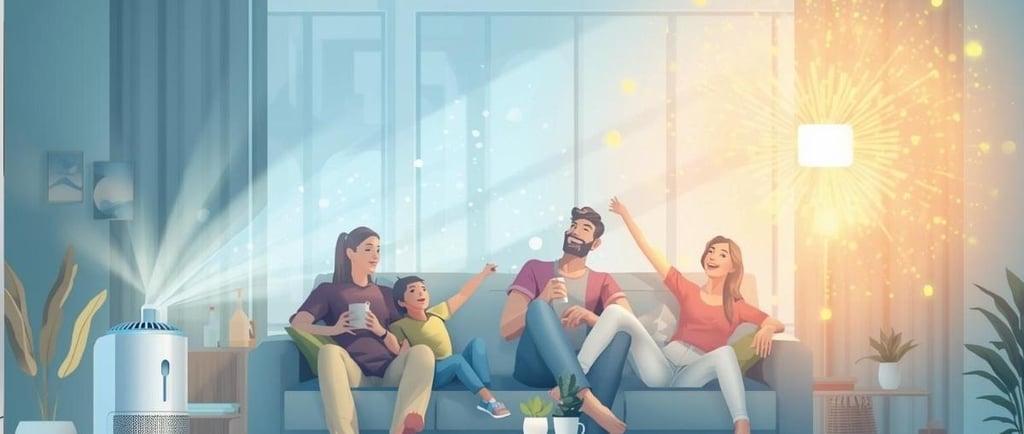
Indoor air quality has become a critical concern in recent years, as many individuals spend the majority of their time indoors. Air purifiers serve a pivotal role in enhancing indoor air quality by effectively filtering out various pollutants that can have detrimental effects on health. These devices are designed to capture and eliminate harmful particles, including dust, pollen, pet dander, bacteria, viruses, and unpleasant odors, which can accumulate in our living spaces.
Common indoor pollutants are not only an issue for allergy sufferers but can also pose significant health risks to a broader population. For instance, particulate matter from outdoor air can infiltrate homes, becoming trapped and exacerbating respiratory problems. Additionally, volatile organic compounds (VOCs) emitted from household products and building materials contribute to compromised air quality. The presence of these pollutants can lead to adverse health effects such as headaches, fatigue, and respiratory ailments, underscoring the importance of maintaining clean air in the home.
The relevance of air purification has heightened, particularly in urban settings where pollution levels are significantly higher, along with the occurrences of allergens during certain seasons. During allergy seasons, air purifiers can assist in reducing exposure to pollen and other allergens, providing relief to millions of individuals who suffer from seasonal allergies. By actively removing these harmful particles from the air, air purifiers not only foster a more comfortable living environment but also promote overall well-being. In light of these factors, understanding the role of air purifiers in improving indoor air quality is essential for safeguarding health and enhancing quality of life.
Understanding Common Indoor Pollutants
Indoor air quality is often compromised by a range of pollutants that can negatively affect human health. One of the most prevalent types of indoor pollutants includes allergens, such as dust mites, pollen, and pet dander. These allergens can trigger respiratory issues, leading to manifestations such as allergic rhinitis, asthma, and other respiratory disorders. Studies indicate that approximately 20 million adults in the United States suffer from allergic rhinitis, highlighting the significant health risks associated with common indoor allergens.
In addition to allergens, harmful microorganisms such as bacteria and viruses often thrive in indoor environments, especially in poorly ventilated spaces. These pathogens can be easily transmitted between individuals, leading to outbreaks of illness. The Centers for Disease Control and Prevention (CDC) notes that respiratory infections, including the flu and other viral diseases, are often exacerbated by poor indoor air quality, making it essential to monitor and improve it.
Furthermore, indoor air can harbor unpleasant odors originating from a variety of sources, including mold, household cleaning products, cooking fumes, and even furniture off-gassing. Exposure to these odors can not only lead to discomfort but may also result in more serious health implications. A report by the Environmental Protection Agency (EPA) states that indoor air pollution can be two to five times worse than outdoor air pollution, emphasizing the urgent need for strategies to mitigate these indoor pollutants.
This landscape of common indoor pollutants underscores the necessity of addressing air quality in our homes and workplaces. By understanding the various sources and impacts of these pollutants, individuals can make more informed choices regarding air purification solutions to enhance their overall health and well-being.
The Science Behind Air Purifiers
Air purifiers have become essential appliances in many households, particularly due to their ability to improve indoor air quality. The technology behind these devices is primarily based on filtration systems such as HEPA (High Efficiency Particulate Air) filters and activated carbon filters. HEPA filters are capable of capturing up to 99.97% of particles that are 0.3 microns or larger, which includes common allergens like dust mites, pollen, and pet dander. This level of filtration is supported by studies that demonstrate their effectiveness in significantly reducing airborne allergens, which can lead to improved respiratory health for sensitive individuals.
Activated carbon filters, on the other hand, operate through a process called adsorption. This means that harmful gases and odors bind to the surface of the carbon when air passes through the filter. Such filtration is particularly effective for eliminating volatile organic compounds (VOCs) found in common household products, thus improving the overall air quality. Scientific research has shown that air purifiers equipped with activated carbon filters can effectively reduce odors from cooking, smoke, and pet waste, contributing to a fresher environment.
Furthermore, emerging technologies in air purification, such as ionization and UV-C light filtration, are being explored for their ability to neutralize viruses and bacteria in the air. For instance, studies have indicated that UV-C light can effectively inactivate SARS-CoV-2, the virus responsible for COVID-19, thereby positioning air purifiers as potentially valuable tools in mitigating disease transmission in indoor settings. Moreover, enhanced models with smart technology are becoming increasingly popular, allowing users to monitor and optimize air quality in real-time.
Health Benefits of Using Air Purifiers
The use of air purifiers in residential and commercial spaces has surged in recent years, largely due to the increasing awareness surrounding air quality and its impact on health. One of the primary benefits of air purifiers is the improvement in respiratory health. Studies have shown that individuals with asthma or chronic obstructive pulmonary disease (COPD) experience fewer symptoms when exposed to filtered air. By capturing pollutants such as dust, smoke, and pet dander, air purifiers significantly reduce the burden on the respiratory system.
Allergy sufferers also report immense relief when utilizing air purification systems. Allergens such as pollen and mold spores can be effectively trapped by HEPA filters, leading to decreased allergy symptoms. Research published in clinical journals has indicated that regular use of air purifiers can lessen the need for medication among those with allergic rhinitis, thus enhancing overall health and well-being.
In addition to respiratory and allergy benefits, air purifiers contribute to better sleep quality. The presence of pollutants and irritants can disrupt sleep patterns, leading to restlessness and nighttime awakenings. Studies indicate that clean air environments promote deeper, more restful sleep, particularly for individuals with respiratory issues or allergies. Enhanced sleep quality, in turn, supports cognitive function and overall health, creating a positive feedback loop in daily life.
Finally, air purifiers play a crucial role in protecting users against airborne pathogens. Recent studies have highlighted that certain air purification technologies effectively reduce the presence of viruses and bacteria in indoor environments. By minimizing exposure to these harmful pathogens, individuals can foster a healthier living space, reducing the incidence of infections and promoting public health. These protective qualities underscore the significance of integrating air purifiers into homes and workplaces, especially as understanding of air quality's role in health continues to evolve.
Choosing the Right Air Purifier for Your Home
When it comes to selecting the optimal air purifier for your home, several key factors should be taken into account to ensure that it effectively meets your specific needs. Firstly, assess the size of the room in which the air purifier will be placed. Manufacturers typically provide specifications detailing the coverage area of their units. Purchasing a model that matches or exceeds the room size will enhance its performance, ensuring it efficiently filters the air.
Secondly, consider the specific pollutants you wish to target. Different air purifiers utilize various filtration technologies, such as HEPA filters, activated carbon, or UV lights, each designed to capture specific types of contaminants. For instance, HEPA filters are highly effective against allergens like dust mites and pollen, while activated carbon filters excel at absorbing odors and volatile organic compounds (VOCs). Identifying the primary sources of air pollution in your environment will guide you in choosing the best-suited technology.
Furthermore, evaluating your budget is essential as air purifiers can vary significantly in price based on features and brand reputation. While higher-priced units often come with advanced functionalities like air quality monitoring and app connectivity, many mid-range options still provide solid performance for general purposes. Reviewing customer feedback and expert ratings on various brands and models can offer insights into their reliability and effectiveness.
Finally, consider energy efficiency and noise levels. Many air purifiers are designed to operate quietly, making them suitable for bedrooms and living spaces without causing disturbance. Look for models with energy star ratings, which can reduce electricity costs over time. By weighing these factors carefully, you can make an informed decision that will not only improve indoor air quality but also contribute positively to your overall health.
Maintaining Your Air Purifier for Maximum Efficiency
To ensure that your air purifier operates at its highest level of efficiency, regular maintenance is crucial. The upkeep of the unit involves several key practices, primarily focusing on filter changes, cleaning the unit itself, and ensuring proper placement within a room.
First and foremost, changing the filters is vital for optimal performance. Most manufacturers recommend replacing the HEPA or activated carbon filters every six months to one year, depending on usage and the specific model. A clogged or dirty filter not only hampers the air purification process but can also lead to decreased air quality as particulates are recirculated. Regularly checking the condition of your filters can help you stay on top of this maintenance task.
In addition to filter changes, periodic cleaning of the air purifier is essential. Dust and debris can accumulate on the exterior and internal components, potentially obstructing airflow and reducing efficiency. Wiping down the exterior with a damp cloth and gently vacuuming accessible areas can help maintain the unit’s appearance and functionality. Furthermore, consult the manufacturer’s guidelines for recommendations on cleaning specific parts, such as the pre-filters and fan blades, as improper cleaning can damage sensitive components.
Another important aspect of maintaining your air purifier involves its placement within the environment. For effective air purification, ensure that the unit is placed in an area with enough space around it for adequate airflow. Avoid corners, large furniture, and obstructions that could hinder the flow of air. Ideally, the device should be centrally located in the room to maximize its efficiency.
Taking the time to heed these maintenance tips can significantly enhance the performance of your air purifier, ensuring that it continues to provide clean, healthy air in your living spaces.
Conclusion: Clean Air for a Healthier Life
Ensuring a healthy living environment is paramount for overall well-being, and air purifiers play a vital role in achieving this goal. They effectively reduce indoor air pollutants, allergens, and harmful pathogens, making them an essential investment for anyone concerned about their health. Throughout the blog, it has been emphasized that the air we breathe indoors can significantly impact our health, especially for individuals with respiratory issues or allergies. By removing harmful particles from the air, air purifiers contribute to alleviating symptoms and promoting better respiratory function.
Additionally, air purifiers not only enhance physical health but also contribute to mental well-being by creating a more pleasant and comfortable living space. The integration of an air purification system can transform the indoor atmosphere, allowing residents to breathe clean air and enjoy a greater quality of life. As we have discussed, the choice of air purifier and its efficiency depends on several factors, including the size of the space and specific air quality issues.
Investing in an air purifier is more than just a consumer choice; it represents a proactive step towards maintaining a healthy home. Individuals are encouraged to prioritize the quality of indoor air, recognizing that the benefits of clean air extend beyond mere comfort. In conclusion, embracing air purification technology is crucial in safeguarding both physical and mental health, making it an indispensable aspect of modern living.
Address:
264/5, Kamal Soroni Road, Mirpur, Dhaka-1216
Contact
Your Quaries on pest control askings
pestexterminatorbd@gmail.com
+8801642008383 +8801988300003, 01723057746
© 2025. All rights reserved. to Urban Pest Control Pvt. Ltd. this site is powered by Our Own IT Team