
Why Hospitals Fear Micro-Pests More Than Viruses
2/3/20267 min read
Introduction: Understanding Micro-Pests and Viruses
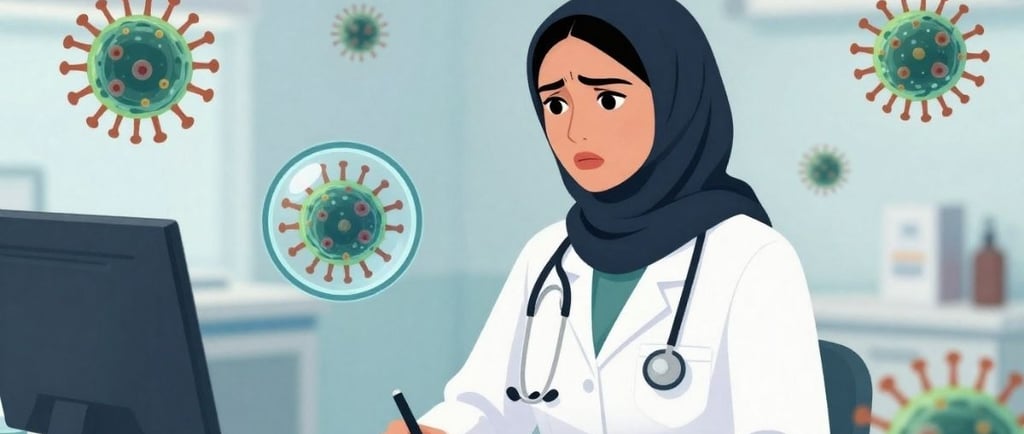
In recent years, the healthcare industry has witnessed a significant shift in its concerns regarding infectious agents within hospital environments. Among these concerns, micro-pests, encompassing a diverse range of microscopic organisms, have emerged as a formidable threat. Micro-pests can be defined as minuscule organisms, such as bacteria, fungi, and certain parasites, that can swiftly multiply and proliferate, posing substantial risks to patients and healthcare providers alike.
Understanding how micro-pests differ from viruses is essential for hospital administrators and medical staff. While both micro-pests and viruses can lead to severe health issues, their modes of transmission and complexity differ significantly. Viruses are submicroscopic infectious agents that require a host cell to replicate, while micro-pests are often self-replicating and can thrive in a variety of environments, including contaminated surfaces and stagnant water.
The growing concern regarding micro-pests within healthcare settings is rooted in their resilience and adaptability. Not only are these organisms capable of developing resistance to conventional treatments, but they can also lead to persistent infections that are far more challenging to eradicate. In hospitals, the presence of micro-pests can compromise sterilization efforts, leading to increased rates of healthcare-associated infections (HAIs), which in turn trigger severe consequences for patient outcomes and hospital reputations.
Consequently, hospital administrators and staff are increasingly apprehensive about the threat posed by micro-pests. This fear is not unfounded; as healthcare shifts towards a more preventive approach, understanding the nuances of micro-pests and their implications becomes increasingly vital. By exploring this issue, healthcare professionals can work to devise robust systems for detection and management, ultimately assuring patient safety in a challenging environment.
The Nature of Micro-Pests: Definition and Examples
Micro-pests, a term commonly used to describe minuscule organisms that can cause harm to human health, are increasingly becoming a major concern within healthcare settings. These organisms, which include bacteria, fungi, and parasitic organisms, pose significant risks due to their ability to thrive in a variety of environments, including hospitals. The term "micro-pests" encompasses a wide range of pathogens, which makes effective control and prevention challenging for healthcare professionals.
Bacteria are perhaps the most well-known type of micro-pest. They can lead to severe infections, often debilitating patients and complicating their recovery. Common bacterial micro-pests found in hospitals include Methicillin-resistant Staphylococcus aureus (MRSA) and Clostridium difficile (C. diff). MRSA is notorious for being resistant to standard antibiotic treatment, which can lead to prolonged hospital stays and increased risk of infection spread. C. diff, on the other hand, commonly results in gastrointestinal distress, exacerbated by the overuse of antibiotics.
Fungi also represent a significant category of micro-pests. These organisms can cause infections, known as mycoses, especially in immunocompromised patients. Examples include Candida species, which are ubiquitous and can lead to systemic infections if they enter the bloodstream. Additionally, Aspergillus species, prevalent in hospital environments, can lead to invasive aspergillosis, which is particularly dangerous for patients with weakened immune systems.
Lastly, parasitic organisms are noteworthy micro-pests that can be encountered in healthcare settings. For instance, protozoa like Giardia lamblia can cause gastrointestinal illnesses, while certain helminths can lead to more chronic conditions. Due to their microscopic size, these micro-pests often evade initial detection, facilitating their spread and increasing the complexity of managing infections within hospitals.
The Threat of Micro-Pests in Hospitals
Micro-pests, including various forms of bacteria, fungi, and arthropods, pose significant threats to hospital environments, often compromising patient safety and care. Unlike viruses, which are often mitigated through standard hygiene protocols like handwashing and vaccinations, micro-pests can proliferate in the very structures and systems within the hospital. They can reside in areas that are difficult to access or thoroughly clean, leading to substantial challenges in infection control.
A critical concern associated with micro-pests is their role in spreading infections within healthcare facilities. It has been reported that hospital-acquired infections (HAIs) can be triggered by microbial contamination originating from environmental sources or the pests themselves. For instance, studies indicate that approximately 1 in 31 hospital patients experiences at least one HAI on any given day, underscoring the critical importance of addressing microbial threats.
The impact of micro-pests extends beyond the immediate health of patients. Infections linked to these organisms can lead to prolonged hospital stays, escalated healthcare costs, and decreased recovery rates. These factors can contribute to a higher burden on healthcare systems, not to mention the emotional and psychological toll on patients and their families during such challenging times. Case studies highlight instances where environments heavily populated with micro-pests have resulted in alarming infection rates, sometimes leading to outbreaks within specific wards.
Furthermore, the resilience of certain micro-pests adds another dimension to the threat they pose. These organisms often develop resistance against common disinfectants and treatments, requiring hospitals to adapt their cleaning protocols and invest in more advanced methods of pest control.
Given the sobering realities of micro-pests, it is crucial for hospital administrators and healthcare professionals to prioritize pest management alongside traditional infection control measures. Addressing this multifaceted threat requires diligence, education, and effective communication among all parties involved in patient care.
Viruses vs. Micro-Pests: The Comparison
The distinction between viruses and micro-pests is critical in understanding their impact on health and hospital environments. Viruses, a category of pathogens, are microscopic agents that can cause infectious diseases in humans. They proliferate by hijacking the cellular machinery of host organisms and leading to varied health complications. In contrast, micro-pests such as certain insects, mites, and rodents, are larger organisms that can also transmit diseases but utilize a different mode of interaction with their hosts.
Transmission rates vary significantly between these two categories. Viruses can be highly contagious, spreading through respiratory droplets and fomites quickly, leading to widespread outbreaks in respective populations. Micro-pests, while they may also facilitate the transmission of pathogens, generally rely on more contact-based interactions, such as bites or contamination through waste, which can limit their transmission potential in certain environments.
The infection rates associated with viruses often exceed those linked to micro-pests due to their high transmissibility. For example, during influenza season, hospitals observe a marked increase in viral infections, resulting in substantial resource allocation for treatment and prevention. On the other hand, while micro-pests can also introduce diseases like Lyme disease or Hantavirus, their occurrence tends to be more localized and seasonal in nature.
Prevention strategies further illustrate the differences in the approach to viruses and micro-pests in hospital settings. Hospitals typically implement rigorous infection control protocols, aimed at minimizing viral transmission through hand hygiene practices, vaccination programs, and isolation of infected patients. Contrarily, the control of micro-pests involves pest management strategies including monitoring, elimination, and the use of physical barriers. The public perception surrounding these entities also diverges; while viruses may instill a sense of urgency and fear due to their rapid spread, micro-pests often evoke a response centered around hygiene and cleanliness, leading hospitals to prioritize the eradication of pests alongside viral infection control.
Preventative Measures Against Micro-Pests
In the healthcare sector, the presence of micro-pests poses an elevated risk, prompting hospitals to adopt comprehensive strategies to mitigate their impact. The cornerstone of these preventative initiatives lies in robust sterilization techniques. Disinfection protocols may include the application of chemical agents, ultraviolet light usage, and steam sterilization, all aimed at eradicating microbial organisms from surfaces and instruments. The consistent application of these techniques ensures that environments remain inhospitable to micro-pests.
Furthermore, stringent hygiene protocols are established and enforced within medical facilities. This encompasses regular handwashing practices among healthcare personnel, as well as the implementation of advanced hand hygiene technologies, such as touchless sanitizers. Hospitals make it a priority to create an environment that significantly reduces potential vectors for infestation. This is complemented by maintaining clean patient areas and ensuring that waste is disposed of properly to limit breeding grounds for pests.
The use of antimicrobial surfaces and materials is another critical component in the fight against micro-pests. Surfaces treated with antimicrobial agents are designed to resist microbial growth, thereby providing an additional layer of protection within healthcare environments. For instance, installation of antimicrobial coatings on high-touch areas can drastically reduce the risk of pathogen transmission. Such proactive measures signify a shift towards preventive healthcare.
Equally important is the ongoing education and training of healthcare staff. Regular training sessions focused on the latest cleaning protocols, pest management strategies, and hygiene best practices serve to reinforce the importance of these measures. Empowering staff with knowledge ensures adherence to preventative strategies, making it a vital element in the continuous fight against micro-pests within hospital settings.
Case Studies: Success Stories in Managing Micro-Pests
Across various healthcare facilities, the effective management of micro-pests has been highlighted through numerous case studies. These instances not only illustrate the successful implementation of pest management strategies but also underscore the serious nature of micro-pests and their potential to disrupt healthcare services.
One notable example comes from a hospital in California that experienced an outbreak of bedbugs within its patient care areas. Responding promptly to this challenge, the hospital's management employed a multi-faceted strategy focusing on thorough inspections, proactive staff training, and integrated pest management (IPM) protocols. Staff members were educated on identifying signs of bedbug infestations, which significantly enhanced the hospital’s ability to contain the problem swiftly.
In Texas, another facility tackled a significant issue with cockroaches in its kitchen area, which posed a serious threat to food safety. The management implemented an IPM approach that involved both chemical and non-chemical control methods. They emphasized sanitation practices, sealing entry points, and regular monitoring, which led to a dramatic reduction in pest sightings and ultimately resulted in the kitchen receiving a high score during health inspections.
Internationally, a hospital in Australia faced challenges from rodent infestations. Their efforts included collaboration with local health authorities to conduct a comprehensive audit of the facility's infrastructure, thus identifying vulnerabilities that were allowing rodents access. Robust repairs were made along with continual education for staff regarding the significance of reporting any pest activity. This proactive stance proved critical, resulting in a successful resolution of the rodent problem and the establishment of long-term pest management plans.
Such case studies exemplify that with the right strategies and a coordinated approach, hospitals can effectively manage the threat posed by micro-pests, thereby ensuring patient safety and maintaining their operational integrity. Vigilance against these pests remains crucial in the healthcare sector.
Conclusion: The Imperative for Awareness and Action
Addressing the presence of micro-pests within hospital environments has emerged as a pressing concern that requires immediate attention. The complex interplay between these pests and the health and safety of patients cannot be overstated. Unlike traditional viruses that have been the central focus of infection control measures, micro-pests pose unique challenges that can exacerbate existing health issues and contribute to the overall decline in patient well-being.
Proactive measures are essential for healthcare professionals to mitigate the risks associated with micro-pests. It is imperative that hospitals invest in regular pest inspections and employ advanced pest management strategies tailored to their specific environments. Furthermore, raising awareness among staff and patients about the potential dangers of micro-pests should be a priority. Education regarding the identification and reporting of pest activity can empower individuals to participate in the broader effort of maintaining a safe and hygienic hospital setting.
Moreover, continued research and innovation in pest control methodologies are crucial. The development of environmentally sustainable pest management techniques holds promise for effectively managing infestations without compromising patient safety. Healthcare institutions should collaborate with pest control experts to stay informed about the latest advancements and strategies in managing micro-pests.
In conclusion, the imperative for heightened awareness and action against micro-pests in hospital settings cannot be ignored. By prioritizing this issue, healthcare professionals can ensure a safer environment for patients and staff alike. As we move forward, a commitment to continuous improvement in pest management practices will be essential in safeguarding patient health and advancing the quality of care delivered in our healthcare systems.
Address:
264/5, Kamal Soroni Road, Mirpur, Dhaka-1216
Contact
Your Quaries on pest control askings
pestexterminatorbd@gmail.com
+8801642008383 +8801988300003, 01723057746
© 2025. All rights reserved. to Urban Pest Control Pvt. Ltd. this site is powered by Our Own IT Team