
Why Pest Control Franchise is a Profitable Business Model in 2026
2/19/20268 min read
Understanding the Pest Control Industry
The pest control industry has experienced significant growth in recent years, responding to an increasing demand for effective solutions to manage pest-related issues. According to recent statistics, the global pest control market was valued at approximately $18 billion in 2020, with projections estimating it to reach $28 billion by 2027, reflecting a compound annual growth rate (CAGR) of around 6.5%.
The rising awareness of pest-related health concerns is a critical factor driving this demand. Pests such as rodents, cockroaches, and mosquitoes are known carriers of various diseases, prompting homeowners and businesses alike to seek professional pest control services to safeguard their health. Consequently, companies offering pest control solutions have adapted their services to include integrated pest management (IPM) techniques that emphasize both effectiveness and safety.
Another pivotal factor influencing the demand for pest control services is the increased recognition of the environmental impact that pests can have. Issues related to ecological balance, crop damage, and the subsequent economic implications have led to a heightened focus on sustainable pest management practices. As a result, pest control providers are increasingly incorporating eco-friendly products and methodologies that reduce harm to the environment while ensuring effective pest elimination.
Moreover, advancements in technology have created new opportunities within the pest control sector. Innovations such as smart traps, drones for monitoring pest populations, and data analytics tools facilitate more efficient and targeted pest management strategies. Consumers expect these modern and efficient approaches, further propelling the industry’s growth.
Overall, the combination of heightened awareness regarding health risks, a commitment to environmental responsibility, and technological advancements plays a crucial role in shaping the pest control industry. As such, professionals in this field must remain abreast of trends and adapt to evolving consumer expectations to capitalize on the growing market opportunities.
Recurring Income Opportunities in Pest Control Business
The pest control industry has seen significant advancements in service offerings, which have consequently led to the development of various recurring income models. These models, including subscription services and maintenance contracts, are pivotal for establishing predictable revenue streams and fostering strong customer relationships.
Subscription services have gained traction in recent years, enabling pest control companies to provide ongoing services to clients for a fixed monthly or annual fee. This approach not only simplifies the payment process for customers but also ensures their premises remain protected on a consistent basis. When clients subscribe, they often feel a sense of commitment to regular pest management, which can effectively mitigate infestations before they escalate. Moreover, subscription packages may include benefits such as seasonal inspections, assessments, and preventive treatments, thus enhancing customer satisfaction and retention.
Additionally, maintenance contracts present another viable recurring income model. These contracts typically encompass a predefined scope of services delivered at regular intervals, such as quarterly or biannual visits. Such agreements ensure homes and businesses remain free from pests while providing a stable cash flow for the service providers. They often include a combination of regular inspections, treatments, and emergency services, creating a comprehensive pest control solution tailored to clients’ needs.
By transitioning to recurring income models, pest control businesses can build customer loyalty and achieve long-term sustainability. Clients are more likely to remain with a service they see as valuable over time, creating a symbiotic relationship that benefits both parties. Implementing such models enables pest control companies to not only stabilize their revenue but also to focus on delivering high-quality, effective pest management solutions for their customers.
The Role of Commercial Contracts in Pest Control Services
In the pest control industry, securing commercial contracts plays a pivotal role in establishing consistent revenue streams and sustainability. These contracts not only ensure a steady flow of business but also enhance the reputation and reliability of pest control service providers. Commercial contracts can range from service agreements with restaurants and food storage facilities to comprehensive pest management plans for hospitals and schools, where cleanliness and hygiene are paramount.
Various types of businesses require pest control services, each presenting unique challenges and demands. For instance, food service establishments need regular pest inspections to comply with health regulations, ensuring that their facilities remain safe for customers. Similarly, warehouses and manufacturing plants may need specialized pest control measures to safeguard inventory and production quality. Consequently, contractors must tailor their services to meet the distinct needs of these industries, thus bolstering customer relationships.
When pursuing commercial contracts, best practices should be adopted. Firstly, conducting comprehensive site assessments helps in understanding a prospective client’s specific pest control needs. Following this, service proposals should clearly outline the scope of work, service frequency, and pricing structures. It is also beneficial to maintain open lines of communication with clients, providing periodic reports on pest activity and treatment effectiveness. This proactive strategy can foster trust and encourage long-term partnerships.
Moreover, building a portfolio of successful contracts can greatly enhance credibility in the market. Showcasing testimonials from satisfied clients acts as a powerful marketing tool when prospective customers evaluate different pest control providers. Ultimately, cultivating strong commercial contracts is essential for steady growth and progress within the pest control sector, enabling companies to navigate the evolving demands of the industry effectively.
Impact of Urban Expansion on Pest Control Demand
The phenomenon of urban expansion is increasingly driving the demand for pest control services. As cities grow to accommodate rising populations, the infrastructure often negatively impacts ecosystems, creating conducive environments for various pests. Urban areas tend to produce more waste and have more densely packed residential and commercial structures, which can contribute to increased pest populations in close proximity to human habitation. This situation creates a pressing need for effective pest management strategies to maintain public health and well-being.
One major challenge posed by urban growth is the potential for increased encounters with common pests such as rodents, cockroaches, and termites. These pests not only affect the structural integrity of buildings but also pose health risks, as they can carry diseases and allergens. Consequently, this escalation in pest visibility induces a corresponding rise in public concern, thereby amplifying the demand for professional pest control services. Urban expansion also means that pest control companies need to adopt more comprehensive approaches that consider varied living spaces, from single-family homes to high-rise apartments and commercial establishments.
Conversely, urban environments present unique opportunities for pest control services to innovate and expand their offerings. Companies can develop targeted solutions tailored specifically for urban settings, including eco-friendly options that resonate with environmentally conscious consumers. The integration of advanced technologies, such as smart traps and data analytics, enables proactive pest monitoring and control, streamlining processes and enhancing service efficiency. Additionally, partnership opportunities with local governments and property developers may further bolster the capacity of pest management firms to address urban pest challenges effectively.
Thus, while urban expansion poses significant challenges in managing pest populations, it simultaneously unveils a landscape ripe with opportunities for growth and innovation in the pest control industry.
Profitability Analysis of Pest Control Ventures
The pest control industry has exhibited significant growth, driven by increasing public health awareness and the need for effective pest management solutions. As such, the financial viability of entering this sector warrants a detailed analysis of profitability metrics. Understanding the balance between cost and revenue is fundamental for pest control ventures aiming for sustainability and growth.
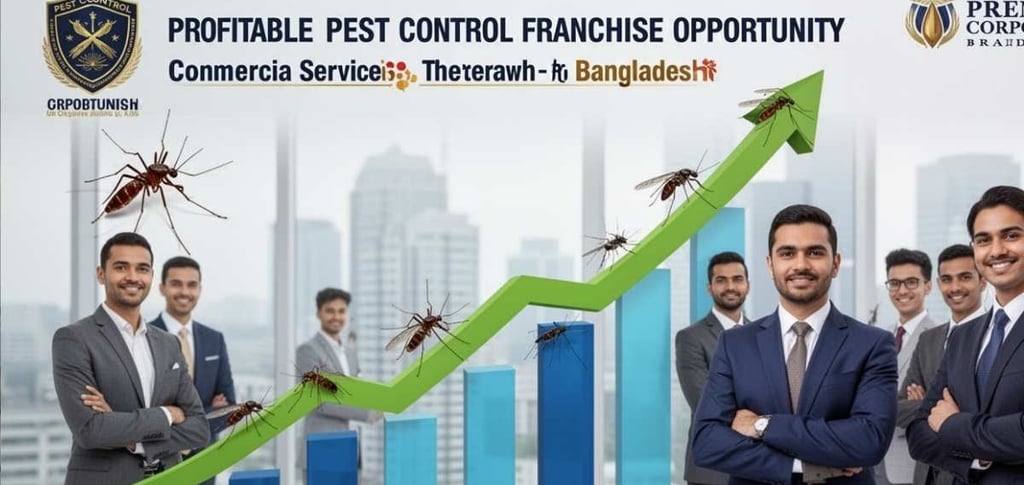
One of the primary aspects to evaluate is the profit margin. Generally, pest control companies can expect gross profit margins ranging between 50-70%. These margins are influenced by operational efficiency, the pricing strategy adopted, and the variety of services offered. For instance, residential pest control typically commands a different pricing structure compared to commercial contracts, with the latter often leading to increased revenue potential due to larger service areas and contracts.
In addition to profit margins, it is crucial to analyze overhead costs, which encompass expenses such as equipment maintenance, employee wages, insurance, and marketing. Streamlining these costs can greatly impact profitability. For example, investing in integrated pest management technologies can not only improve service efficiency but also reduce long-term operational costs. Therefore, companies that embrace technology often find themselves at a competitive advantage.
Moreover, customer retention plays a vital role in ensuring consistent revenue streams. Establishing long-term contracts with clients can provide a steady cash flow. Offering seasonal discounts, referral programs, or loyalty rewards can further enhance customer retention rates. Effective marketing strategies that emphasize sustainable and eco-friendly pest control solutions can also attract a clientele base that is increasingly conscientious about health and environmental impacts.
In conclusion, pest control businesses possess substantial potential for profitability when they effectively manage their operational costs and adopt innovative strategies. By focusing on maintaining high profit margins and optimizing expenses, pest control ventures can thrive in this growing industry.
Franchise Benefits of Urban Pest Control Pvt. Ltd.
Becoming a franchisee with Urban Pest Control Pvt. Ltd. offers a multitude of advantages that set it apart in the competitive pest control market. One of the most significant benefits is the established brand recognition that comes with joining a well-respected company. Urban Pest Control is synonymous with quality and reliability, making it easier for new franchisees to attract customers who already trust the brand. This can ultimately lead to higher conversion rates and sustained revenue from the outset.
In addition to brand recognition, Urban Pest Control Pvt. Ltd. provides comprehensive training and ongoing support for its franchisees. This structured training program covers all essential aspects of running a pest control business, including operational procedures, customer service, and best practices in pest management. With this robust training program, new franchisees can confidently navigate the challenges of the industry, ensuring their success in building a profitable franchise.
Marketing support is another crucial aspect that Urban Pest Control franchisees benefit from. The company invests in a variety of marketing resources tailored to promote the franchise, including digital advertising campaigns, promotional materials, and social media strategies. These resources can significantly alleviate the marketing burden on franchisees while enhancing visibility and lead generation in their respective markets.
Lastly, being part of the Urban Pest Control network allows franchisees to tap into a wealth of knowledge and experience from other franchisees across various locations. This collaborative environment fosters an exchange of ideas and strategies, enabling franchisees to implement successful tactics that others have tested in real-world scenarios. By leveraging these unique benefits, franchisees can position themselves for sustainable growth and success in the thriving pest control industry.
Long-Term Sustainability in the Pest Control Industry
The pest control industry is witnessing a significant shift towards long-term sustainability as stakeholders recognize the need to adopt eco-friendly practices. This transition is vital, not only for preserving the environment but also for ensuring ongoing compliance with evolving regulations that govern pesticide use and application. As public awareness of environmental issues increases, pest control companies must adapt their methods to better align with consumer preferences for sustainable solutions.
One integral strategy for sustainable pest management involves implementing integrated pest management (IPM) practices. IPM focuses on combining various control methods, including biological, cultural, and mechanical tactics, alongside chemical applications. By prioritizing non-chemical approaches, pest control professionals can reduce reliance on harmful pesticides, thereby minimizing their environmental impact and enhancing long-term ecological balance.
Furthermore, adapting to new regulations is imperative for businesses wishing to thrive in this sector. Continuous education and training for pest control technicians play a crucial role in familiarizing them with the latest developments in regulations and best practices. Investing in training programs not only empowers employees with updated knowledge but also fortifies the company's reputation as a responsible service provider committed to sustainable pest management.
Additionally, forming partnerships with local environmental agencies and organizations can facilitate knowledge exchange and resource sharing, benefiting both the pest control companies and the communities they serve. These collaborations can enhance the overall effectiveness of pest management strategies while promoting ecological conservation efforts.
In conclusion, by embracing eco-friendly practices and committing to ongoing education, the pest control industry can position itself favorably in an increasingly environmentally-conscious market. The adaptation of sustainable methods will not only cater to current demands but also ensure the resilience of businesses for years to come, fostering a healthier environment and a responsible approach to pest management.
Address:
264/5, Kamal Soroni Road, Mirpur, Dhaka-1216
Contact
Your Quaries on pest control askings
pestexterminatorbd@gmail.com
+8801642008383 +8801988300003, 01723057746
© 2025. All rights reserved. to Urban Pest Control Pvt. Ltd. this site is powered by Our Own IT Team