
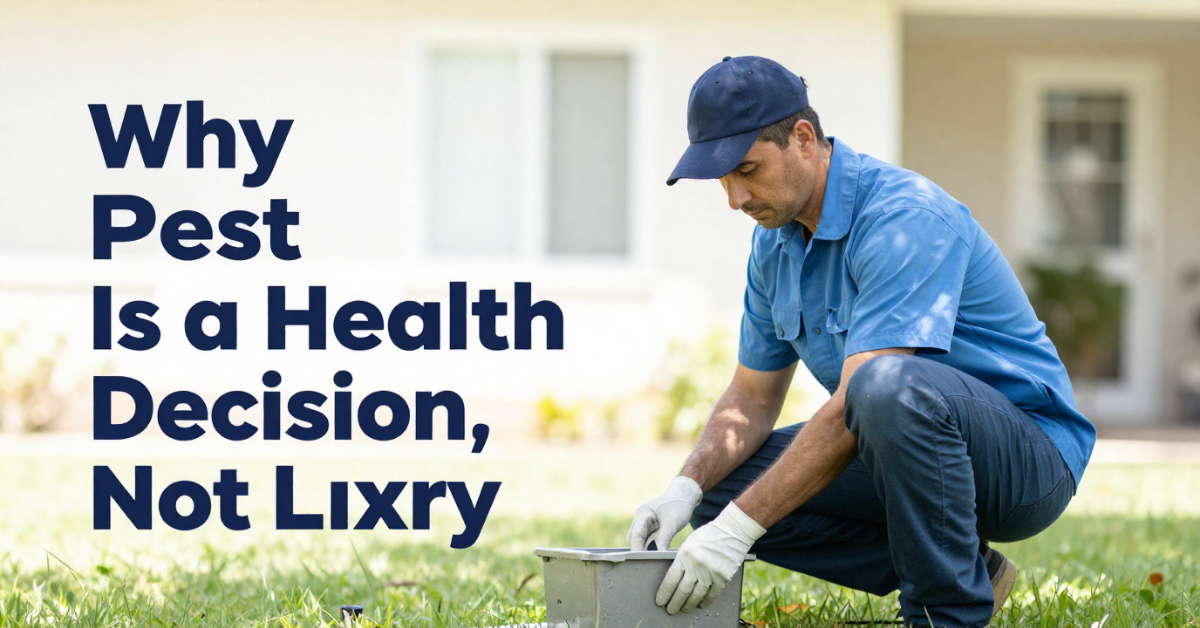
Why Pest Control Is a Health Decision, Not a Luxury
2/2/20267 min read
Understanding Pests and Their Impact on Health
Pests are ubiquitous and can vary from common household insects and rodents to more obscure vermin. Among these, rodents, such as rats and mice, are notorious for their ability to carry a wide range of diseases. They are vectors for pathogens that can lead to serious health issues, including hantavirus, leptospirosis, and salmonella. The presence of these pests in homes and public spaces can pose significant health risks to inhabitants, regardless of age or health status.
Insects, too, can be detrimental to health. Cockroaches, for instance, are known to trigger allergic reactions and asthma attacks, making them particularly dangerous for children and those with pre-existing respiratory conditions. Furthermore, ticks and mosquitoes can transmit diseases such as Lyme disease and West Nile virus, respectively. The rise in insect populations due to climate change, urbanization, and other factors emphasizes the growing urgency of effective pest control measures.
Other vermin, such as bed bugs, while not directly linked to the transmission of diseases, can lead to severe psychological distress and insomnia due to their bites and the discomfort caused by their presence. Moreover, their rapid reproduction rate can cause infestations that make eradication more complex and costly. Given these varied effects of pests, it is essential to view pest control not merely as a matter of comfort or aesthetics, but as a critical component of health management.
Overall, understanding the types of pests commonly found in urban and rural settings, as well as the potential health implications associated with their presence, underscores the necessity of prioritizing pest control as an integral aspect of public health initiatives and individual health decision-making.
The Health Risks Associated with Common Pests
The presence of pests in our environments poses significant health risks, making their management a critical component of public health. Common pests such as mosquitoes, cockroaches, and rodents are not just nuisances; they are vectors for various diseases and health complications.
Mosquitoes are well-known for transmitting diseases such as West Nile virus, Zika virus, and malaria. These ailments can lead to severe consequences, including hospitalization or even death. The World Health Organization (WHO) has reported millions of cases annually related to mosquito-borne illnesses. Therefore, effective mosquito control is imperative not just for comfort but also to prevent outbreaks that threaten community health.
Cockroaches, often found in unsanitary conditions, are notorious for triggering allergic reactions and asthma, especially in children. Their feces, saliva, and body parts can become airborne, leading to respiratory issues for susceptible individuals. Research has shown that exposure to cockroaches can worsen asthma symptoms, necessitating rigorous pest management to maintain a healthy indoor environment.
Furthermore, rodents such as rats and mice can carry diseases that have significant health implications. For instance, they are known carriers of hantavirus, leptospirosis, and salmonella—each capable of causing serious health issues. Rodents often infiltrate homes and food storage areas, contaminating food supplies. Their droppings and urine can also introduce pathogens into living spaces, exacerbating health risks.
Ignoring pest infestations can lead to prolonged exposure to these health threats, ultimately resulting in serious health complications. Therefore, proactive pest control measures are essential not only for comfort and cleanliness but also for safeguarding public health.
The Importance of Preventing Infestations
Pest infestations can lead to numerous health concerns for individuals and families, making prevention an imperative aspect of home maintenance. Implementing effective pest control measures is not merely a luxury; it is a critical health decision that can safeguard both physical well-being and overall quality of life. Regular inspections and proactive maintenance serve as the cornerstone for preventing infestations, ensuring that potential issues are addressed before they escalate into larger, more invasive problems.
One of the most effective strategies in pest management is to conduct routine inspections. These assessments allow homeowners to identify signs of pest activity early on, such as droppings, gnaw marks, or nests, which can indicate underlying infestations. By performing these inspections periodically, individuals can take immediate action, which significantly reduces the likelihood of severe infestations that can pose health risks.
Additionally, maintaining a clean environment is essential for preventing pests. Properly sealing food, disposing of waste appropriately, and eliminating standing water can deter pests from taking residence in homes. This not only minimizes the risk of infestations but also maintains a healthy living space that is free from allergens and contaminants.
Furthermore, engaging professional pest control services for regular maintenance can enhance the effectiveness of preventative measures. These experts possess the knowledge and tools required to identify vulnerable areas and implement targeted interventions, providing peace of mind for homeowners. In the face of persistent pests, early intervention can mitigate health risks associated with diseases and allergens, reinforcing the significance of a health-oriented approach toward pest management.
Pest control issues extend beyond individual households, significantly impacting public health in community spaces such as schools, restaurants, and hospitals. The presence of pests, including rodents and insects, can lead to the transmission of various diseases, raising serious health risks for the general population. For instance, rodents are known carriers of dangerous pathogens that can cause illnesses such as hantavirus and leptospirosis, while insects like mosquitoes can transmit viruses like Zika, West Nile, and dengue fever. In public settings, an outbreak can quickly escalate, jeopardizing the well-being of numerous individuals.
Consider schools, where children are particularly susceptible to illness due to their developing immune systems. A pest infestation in educational facilities not only imposes health risks but may also disrupt learning environments. Parents and educators alike may worry about the implications of pests on their children's health, leading to school closures and absenteeism, which can negatively affect academic performance.
The economic implications of pest infestations in public areas are significant as well. Restaurants, for example, may suffer severe financial losses due to decreased customer patronage following a pest-related incident, which may also lead to regulatory fines and compelled operational shutdowns. Ensuring comprehensive pest control measures are implemented fosters a safer environment that encourages healthy community living, which is inherently valuable for economic stability.
Thus, pest control must be recognized as a communal responsibility, transcending individual needs. Effective pest management strategies should be integrated into public health policies to mitigate these risks. Increasing community awareness about the role of pests in health outcomes can foster a proactive approach, encouraging individuals and organizations alike to take collective action towards better pest management. Emphasizing pest control as a health imperative can enhance overall community well-being.
Chemical Safety and Pest Control Solutions
When addressing pest control, it is imperative to consider the safety of the chemicals utilized in various pest control methods. Effective pest management is crucial for maintaining a healthy environment; however, the potential health risks associated with chemical treatments can often raise concerns among homeowners and pet owners alike.
Pest control can be broadly classified into three primary categories: chemical treatments, natural remedies, and integrated pest management (IPM). Chemical pest control typically employs synthetic pesticides designed to target specific pests. While these substances may effectively eradicate infestations, there is a growing awareness regarding their potential impact on human health and the environment. Prolonged exposure to certain chemicals can lead to adverse health effects, particularly for vulnerable populations such as children and pets.
On the other hand, natural pest control methods utilize organic substances or natural predators to manage pest populations. Although often seen as a safer alternative, natural solutions may not always provide the same level of efficiency as chemical options. Homeowners must assess the trade-offs in effectiveness and safety when choosing between these pest control methods.
Integrated Pest Management (IPM) represents a holistic approach that combines various techniques, including chemical, biological, and cultural practices to manage pests in a safe and sustainable manner. IPM aims to minimize reliance on chemical treatments while prioritizing both pest elimination and the safety of humans and pets. By considering environmental factors and employing preventive measures, IPM reduces health risks associated with chemical application.
In light of the diverse pest control solutions available, it is essential for homeowners to evaluate their specific needs, the potential risks involved, and the overall safety of chemical treatments. Ensuring a balanced approach can lead to effective pest management while safeguarding the well-being of both people and pets.
Long-term Health Benefits of Regular Pest Control
Maintaining a pest-free environment is essential not only for immediate comfort and safety but also for long-term health benefits. Regular pest control contributes significantly to reducing health risks associated with various pests. For instance, rodents and insects can transmit diseases such as hantavirus, salmonella, and Lyme disease. By engaging in routine pest management, homeowners can mitigate these health threats, thus fostering a healthier living space.
Additionally, a thorough pest control regimen can greatly enhance the overall quality of life. The presence of pests can lead to stress and anxiety among residents, especially for families with young children. These pests not only create physical discomfort but can also disrupt daily routines. A pest-free home allows families to enjoy their surroundings without the constant worry of infestations, which in turn fosters a sense of security and peace of mind.
Furthermore, living in a pest-free environment offers psychological benefits. Studies have shown that clutter and unwanted pests can negatively impact an individual’s mental well-being. The act of knowing that one’s home is free from pests can lead to enhanced relaxation and increased productivity. Regular pest control serves to alleviate fear and anxiety, which can be particularly beneficial for family dynamics and overall mental health.
Incorporating pest control as part of one’s routine can thus be viewed as a long-term investment in both physical and psychological health. The benefits extend beyond mere aesthetics, delving into the fundamental aspects of safety and well-being. Ultimately, by prioritizing pest control, individuals are making a conscientious decision to foster a healthier lifestyle for themselves and their families.
Conclusion: Pest Control as a Necessary Investment in Health
In light of the various health risks associated with pest infestations, it is imperative to view pest control not merely as a luxury, but rather as an essential component of maintaining both personal and public health. Pests such as rodents, cockroaches, and mosquitoes are known carriers of diseases that can severely impact the well-being of individuals and communities. By addressing pest control proactively, we mitigate these health risks and foster a safer living environment.
Investing in proper pest management strategies, whether through professional services or personal preventive measures, ensures the reduction of disease transmission risks. Effective pest control measures, such as regular inspections, hygiene maintenance, and timely interventions, contribute to a more hygienic and comfortable home. Moreover, these practices protect vulnerable populations, including children and the elderly, who may have compromised immune systems.
Furthermore, neglecting pest control can have far-reaching implications beyond immediate health concerns. It can lead to property damage, increased healthcare costs, and diminished quality of life. The financial burden caused by pest-related problems often extends well beyond initial treatment costs. As such, prioritizing regular pest control services not only safeguards health but is also a wise economic decision.
Incorporating pest control into routine home maintenance underscores its significance as a necessary investment in health. As we recognize the implications of pest infestations on our overall well-being, we should advocate for comprehensive pest management practices. This approach will ultimately enhance our living conditions while safeguarding public health at large. Therefore, it is crucial for homeowners and communities alike to recommit to effective pest control as a fundamental aspect of a healthy lifestyle.
Address:
264/5, Kamal Soroni Road, Mirpur, Dhaka-1216
Contact
Your Quaries on pest control askings
pestexterminatorbd@gmail.com
+8801642008383 +8801988300003, 01723057746
© 2025. All rights reserved. to Urban Pest Control Pvt. Ltd. this site is powered by Our Own IT Team