
Why Summer Heat Turns Many US Homes Into Pest Hotspots
2/5/20267 min read
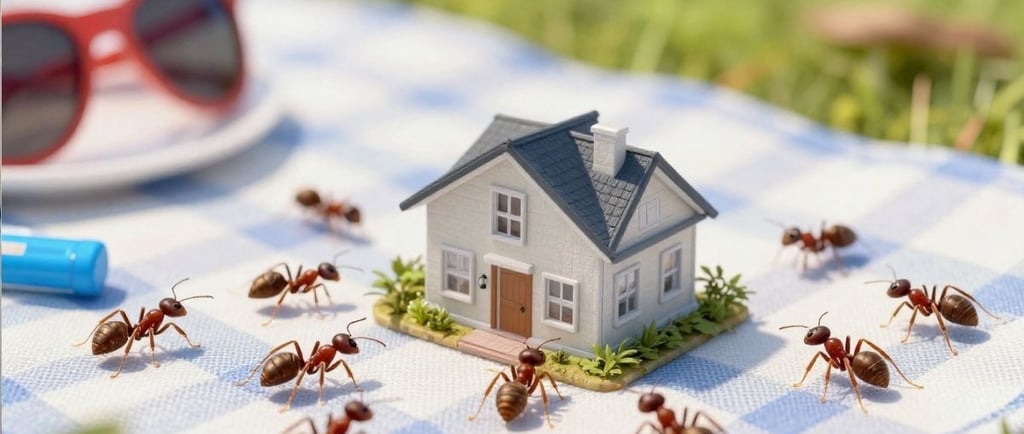

Introduction to Summer Pests
As temperatures rise during the summer months, households often become more susceptible to various pests. High heat and humidity create a favorable environment for insects and critters, leading to an increase in their populations. Among the most common summer pests are ants, cockroaches, and mosquitoes, each of which poses unique challenges for homeowners.
Ants, particularly species like the pavement ant and the carpenter ant, are driven indoors in search of food and shelter. Their colonies thrive in warm conditions, and they are notorious for invading kitchens and pantries. The likelihood of encountering ants around food sources increases significantly during summer, making them a notable concern for residents.
Cockroaches are another persistent pest that finds the summer heat conducive for breeding. They are drawn to the warmth of homes, especially in areas such as kitchens and bathrooms. Their ability to reproduce at an alarming rate means an infestation can escalate quickly when optimal conditions are present.
Moreover, the warm weather invites mosquitoes, known carriers of various diseases such as West Nile virus and Zika. These pests breed in standing water, making puddles, birdbaths, and planters attractive locations for laying eggs. Homeowners may find themselves dealing with not only the nuisance of buzzing around but also the health risks they pose.
Understanding the impact of summer heat on pest behavior is essential for effective management. Factors such as increased food availability and conducive nesting conditions contribute to elevated pest populations. Consequently, awareness of these summer pest dynamics is crucial for homeowners looking to safeguard their homes during this season.
The Science Behind Pest Proliferation
The onset of summer heat creates an environment that significantly influences pest behavior and population dynamics. As temperatures rise, various biological and environmental factors contribute to the proliferation of common household pests such as ants, cockroaches, and mosquitoes.
Temperature sensitivity is a critical factor in the life cycles of these pests. Many species thrive in warm conditions, and as average summer temperatures climb, the metabolic rates of these insects increase. This elevation in metabolism accelerates their development, leading to quicker transitions from egg to adult, which allows for multiple generations to emerge within a single summer season. For instance, the common housefly can complete its life cycle in as few as seven days under optimal warmth, significantly enhancing its potential for rapid population growth.
Moreover, heat influences the reproduction rates and behaviors of pests. Warmer conditions can enhance mating success, which leads to an increase in the number of offspring. In many insect species, each female can lay hundreds of eggs, and under ideal summer conditions, these eggs hatch and develop swiftly. Additionally, heat can affect the behaviors of pests, making them more likely to venture into human habitats in search of food and shelter. This phenomenon is particularly evident with mosquitoes, which become increasingly active and proliferative during warm evenings when humans are also more likely to be outdoors.
In summary, the interplay between rising temperatures and the biological adaptations of pests results in a heightened risk of infestations during the summer months. Understanding these dynamics is essential for effective pest management, as it allows homeowners to take proactive measures to mitigate the impact of these unwanted invaders.
How Summer Heat Affects Home Environments
The arrival of summer heat can transform residential spaces into suitable breeding grounds for various pests. One of the primary factors contributing to this phenomenon is increased humidity. During the hotter months, elevated moisture levels can create a conducive environment for organisms such as mold, mildew, and certain insects, all of which thrive in humid conditions. This humidity often seeps into homes through minor cracks or improper ventilation, leading to an endless cycle of pest attraction.
Food availability also plays a significant role in attracting pests. Summer is often accompanied by an abundance of outdoor cooking and picnics, which can lead to food spills and waste left outdoors. Even minor crumbs can attract ants, flies, and other undesired insects. Additionally, summer fruits and vegetables ripening can lead to an increase in fruit flies and other pests eager to exploit these food sources.
Moreover, structural vulnerabilities in homes can be exacerbated during the summer. Heat can expand building materials, which may result in gaps and cracks where pests can enter. A single tiny opening in a window frame or door can become an invitation for insects like cockroaches or even rodents seeking refuge from the heat. It is essential for homeowners to regularly inspect their properties for any signs of wear and tear that may occur during the hot months.
Common household practices can further compound the issue. For instance, leaving doors and windows open for ventilation can inadvertently allow pests access into homes. Additionally, storing firewood or garden tools close to the home can create nesting spots for pests, making it imperative for residents to assess their surroundings carefully. By understanding these various factors, homeowners can take proactive steps to mitigate pest invasions during the summer heat, ensuring a more comfortable living environment.
Identifying Pest Hotspots in Your Home
During the summer months, warmer temperatures and increased humidity can create ideal conditions for various pests to thrive. Understanding how to identify possible pest hotspots within your home is crucial for prevention and early intervention. Certain areas may be particularly susceptible to infestations, and knowing where to look can help mitigate risks.
One of the most common areas prone to pest activity is the kitchen. With its abundant food sources and moisture, kitchens attract a variety of pests, including ants, cockroaches, and flies. Signs of pest activity might include droppings, gnaw marks, or food debris. Regularly inspecting food storage areas and promptly cleaning up spills can minimize the likelihood of pest encroachments.
Another hotspot is the basement, often characterized by high humidity and dark corners where pests like rodents and termites can hide. Look for signs such as chewing on wooden structures, nesting materials, or unusual odor. Ensuring that the basement is well-ventilated and dry can help deter unwanted guests.
Outdoor areas can also serve as critical pest hotspots. Garden spaces and patios are known for attracting various insects and rodents, especially when food or refuse accumulates. Inspecting these areas for standing water, which can harbor mosquitoes, or debris that can provide shelter will be beneficial in preemptively addressing pest issues.
Additionally, examining potential entry points around doors, windows, and utility lines is essential. Gaps and cracks can offer easy access for pests looking to enter your home for shelter or food. Utilizing caulk or weather stripping can provide necessary barriers to these vulnerable areas.
Preventative Measures Against Summer Pests
As the temperature rises during the summer months, homes often become attractive habitats for a variety of pests. To mitigate the risk of infestations, it is paramount to implement effective preventative measures. One key strategy is to seal any entry points that pests may utilize to gain access to your home. This includes inspecting windows, doors, and vents for gaps or cracks and ensuring that they are properly fitted or sealed. Utilizing materials such as caulk or weather stripping can effectively prevent unwanted pests from entering your living spaces.
Maintaining cleanliness within the home is another crucial aspect of pest prevention. Regularly cleaning areas like kitchens and dining rooms helps eliminate food residue that can attract pests. Cooking utensils and surfaces should be thoroughly cleaned post meal preparation, and spills should be promptly addressed. Additionally, ensuring that food is stored in airtight containers is essential. This not only helps maintain food freshness but also reduces the likelihood of attracting insects or rodents.
Moreover, implementing regular home maintenance routines can contribute significantly to keeping pests at bay. This includes inspecting your property for potential pest breeding grounds, such as stagnant water in gutters or overgrown vegetation. Keeping your lawn well-trimmed and ensuring that any debris is cleared can also deter pests from taking up residence close to your home.
Lastly, it may be beneficial to consult with pest control professionals for routine inspections. These experts can identify vulnerabilities specific to your property and suggest tailored measures to enhance your home’s defenses against summer pests. By adhering to these preventative strategies, homeowners can enjoy a pest-free environment throughout the hotter months.
Pest Management Options: DIY vs Professional Help
When it comes to managing pest infestations, homeowners often face a critical decision: whether to pursue do-it-yourself (DIY) solutions or to hire professional pest control services. Each option carries its own set of advantages and disadvantages, especially during the summer when pest activity peaks.
DIY pest management methods can be appealing due to their cost-effectiveness. Homeowners have access to a range of commercial pest control products such as traps, sprays, and baits that are readily available at local hardware stores. Additionally, many individuals choose to use organic alternatives, including diatomaceous earth or essential oils, to mitigate pest issues. Many of these DIY solutions are easy to implement and can be tailored to specific types of pests, such as ants, wasps, or rodents.
However, the effectiveness of DIY pest control can be limited. Homeowners may lack the necessary expertise to identify the root cause of a pest problem or to gauge the severity of an infestation. Moreover, improperly applied solutions might exacerbate pest issues or even present health risks. This is where the benefits of professional pest control become apparent.
Hiring professional pest control services often ensures a more thorough and effective treatment. Experts can conduct a comprehensive assessment of the home, identifying entry points and conditions that attract pests. Professionals typically possess the knowledge and tools required for a range of pest problems, from seasonal invaders to long-term infestations. While the associated costs might be higher than DIY approaches, the long-term effectiveness and peace of mind can justify the investment.
Ultimately, the choice between DIY and professional pest management should be guided by the severity of the infestation, the homeowner's comfort with various treatment methods, and their budget considerations. Some homeowners might find a hybrid approach works best, utilizing DIY methods for minor issues while calling in professionals for significant infestations.
Conclusion and Call to Action
As the summer heat sets in, the increased warmth and humidity create an inviting environment for various pests to thrive in our homes. It is imperative to recognize that this season brings with it the necessity for heightened vigilance against infestations. Pests such as ants, mosquitoes, and cockroaches not only disrupt the comfort of our living spaces but can also pose health risks to inhabitants. Therefore, proactive measures are crucial in preventing these nuisances.
Homeowners are encouraged to implement preventive strategies such as sealing cracks and openings, maintaining cleanliness, and promptly addressing any plumbing issues that may provide food and shelter for pests. Additionally, monitoring common entry points—such as windows and doors—can significantly diminish the likelihood of pest invasions. By being aware of the factors attracting pests during the summer, individuals can take essential steps to safeguard their homes.
It is also advisable to consider professional pest management services for comprehensive solutions, especially if an infestation occurs despite preventative efforts. These experts can offer tailored treatments that ensure not only immediate results but also long-term protection against common summer pests. Making informed decisions about pest control will foster a healthier, more enjoyable environment for families throughout the summer months.
In conclusion, staying vigilant against pests during the summer is not only a precautionary measure but a vital step toward maintaining a parasite-free home. By taking the necessary precautions and exploring pest management options, you can help ensure that your living space remains comfortable and pest-free all summer long. Don’t let pests take over your home; take action today to protect your environment.
Address:
264/5, Kamal Soroni Road, Mirpur, Dhaka-1216
Contact
Your Quaries on pest control askings
pestexterminatorbd@gmail.com
+8801642008383 +8801988300003, 01723057746
© 2025. All rights reserved. to Urban Pest Control Pvt. Ltd. this site is powered by Our Own IT Team