
Why Termite Damage Costs US Homeowners Thousands Every Year
2/5/20267 min read
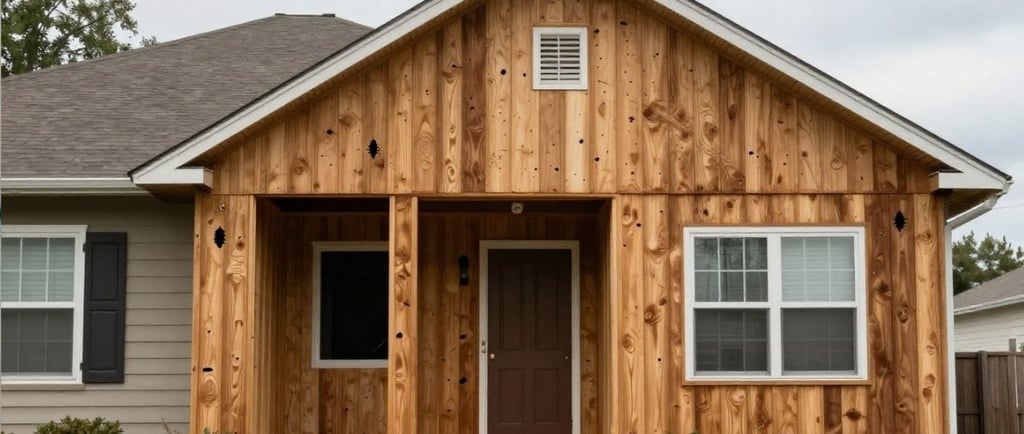
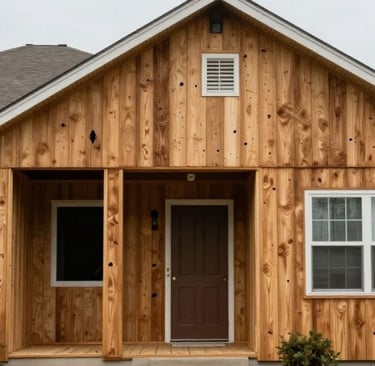
Introduction to Termite Damage
Termites are small, wood-eating insects that can cause significant damage to homes and other wooden structures. Belonging to the order Isoptera, these pests exist in colonies which can consist of thousands of individuals. The typical lifecycle of a termite begins with an egg, which hatches into a larva, and subsequently matures into a soldier or reproductive, depending on the colony's need. A vast majority of termites are detritivores, feeding on dead plant material, notably wood. However, it is the few species known as wood-destroying termites, which include the Eastern subterranean termite, the Formosan termite, and the drywood termite, that pose a severe threat to the structural integrity of homes.
The destructive power of termites lies in their ability to consume cellulose, a component of wood. They can remain undetected for long periods, leading to overwhelming damage before homeowners even become aware of their presence. Termites create complex tunnel systems within the wood they infest, consuming it from the inside out. This makes the damage particularly insidious because the outer structure may appear intact while the critical inner support is compromised.
Protecting one’s property from termite damage is essential, as the financial implications can be devastating. Homeowners may find themselves facing extensive repair bills, which can amount to thousands of dollars if a termite infestation is not addressed promptly. Furthermore, the value of a home can significantly decrease, making it crucial for homeowners to understand the importance of regular inspections and preventive measures against these invaders. Early detection and intervention can be the difference between minor repairs and major restoration costs.
Understanding the Cost of Termite Damage
Termite damage can substantially affect homeowners, resulting in significant financial implications that may not be immediately evident. The costs associated with treating a termite infestation extend beyond just the initial extermination fees—often, they include extensive repairs and long-term impacts on property value. Homeowners who delay treatment may discover that a relatively minor issue has escalated into a severe infestation, encompassing both immediate repair costs and hidden losses in property valuation.
Initially, addressing a termite problem can involve several immediate expenses, such as hiring pest control professionals to assess the situation and implement treatment measures. The average cost for termite treatment can range from hundreds to thousands of dollars, depending on the severity of the infestation and the size of the home. Once the infestation is treated, homeowners often face additional repair costs to fix the damage caused to structural elements like beams, floors, and walls. These repair costs can accumulate rapidly, significantly increasing the financial burden on the homeowner.
Moreover, the long-term implications of untreated termite infestations can be even more daunting. Properties that have suffered from termite damage can experience decreased market value, as potential buyers and appraisers may view such homes as risky investments. This diminished value can result in thousands of dollars lost at the time of sale, further compounding the initial treatment and repair costs. Effectively, the costs accumulate over time, transforming termite damage from a temporary nuisance into a substantial financial liability.
In light of these factors, homeowners should prioritize regular inspections and preventative measures to mitigate the risk of termite infestations and protect their investment. Understanding the financial dynamics associated with termite damage is crucial for maintaining property values and avoiding significant losses over time.
Signs of a Termite Infestation
Termites can cause significant damage to a home, and being able to identify the signs of an infestation early can save homeowners thousands of dollars in repairs. One of the most common indicators of termite activity is the presence of mud tubes. These tubes, which are typically made from soil, wood, and saliva, serve as protective tunnels for termites as they travel between their nest and food sources. Homeowners should inspect the foundation of their homes for these structures, particularly in areas with moisture.
Another telltale sign of a termite infestation is the discovery of discarded wings. When termites leave their nests to establish new colonies, they shed their wings. Finding large quantities of these wings around windowsills or porches can indicate a recent swarm, suggesting that termites might be nearby.
Moreover, it is essential to pay attention to any signs of damage on wooden structures in and around the home. This damage may manifest as hollow-sounding wood, crushed or crumbling wood, or even small holes in the wood's surface. Homeowners should also be vigilant for frass, which is the wood-colored fecal matter expelled by termites. The presence of frass near wooden surfaces may signify that a colony is active.
In addition to these physical signs, it is beneficial for homeowners to conduct regular inspections of both the exterior and interior of their property. Particularly damp or moisture-rich areas, such as basements or attics, should be closely examined, as termites thrive in these environments. By recognizing the signs of termite infestations early on, homeowners can take proactive measures to protect their homes from costly damages.
Preventative Measures Against Termite Infestations
Termite infestations can lead to significant financial loss for homeowners, making it essential to adopt effective preventative measures. One fundamental strategy involves proper landscaping, particularly in ensuring that wood-based materials are not in direct contact with the soil. Keeping mulch and wooden structures at least a few inches away from the home's foundation can significantly reduce the risk of attracting these destructive insects. Additionally, maintaining a well-drained yard is crucial; standing water can create moist conditions that are enticing for termites, so homeowners should routinely inspect their drainage systems and make necessary adjustments.
Moisture control is another pivotal factor in preventing termite infestations. It’s advisable to regularly check for leaks in plumbing and roofing, as these can contribute to damp areas conducive to termite activity. Using a dehumidifier in basements and crawl spaces can also help in managing humidity levels, discouraging termites from making a home in these areas. Homeowners should consider the installation of appropriate gutter systems to channel water away from the foundation effectively.
Regular inspections, ideally at least once a year, are beneficial in detecting early signs of termite activity. Engaging a professional pest control service can provide homeowners with a comprehensive assessment of potential vulnerabilities in their homes. These experts are trained to identify early warning signs that untrained eyes may overlook, such as mud tubes or damaged wood. Investing in periodic inspections is often less costly than dealing with extensive damage caused by a full-blown infestation.
By implementing these proactive measures—strategic landscaping, moisture management, and regular inspections—homeowners can stave off termite infestations and their associated costs effectively. This approach emphasizes that prevention is, indeed, a more economical alternative than the potentially exorbitant expenses incurred during repairs.
When it comes to termite management, leveraging the expertise of professional pest control services is crucial for homeowners seeking effective solutions. Termites can cause significant structural damage if left unchecked, often leading to costly repairs that can easily amount to thousands of dollars. Professional pest control experts possess the knowledge and tools necessary to properly assess and address infestations, keeping homes safe and structurally sound.
One of the primary benefits of hiring a professional service is the implementation of targeted eradication methods. These specialists utilize advanced techniques and environmentally responsible products that are not typically available to the general public. They conduct thorough inspections to identify the type and extent of the termite infestation, subsequently employing tailored strategies to eliminate the pests effectively. This expert intervention significantly increases the likelihood of completely eradicating the problem on the first attempt, mitigating the financial impact of potential re-infestations.
Moreover, ongoing monitoring is an essential aspect of professional pest control services. Termites often operate in secrecy, making it challenging for homeowners to detect them before severe damage occurs. By engaging a reputable pest control provider, homeowners can benefit from regular inspections and maintenance, considerably reducing the risks associated with hidden infestations. Preventative measures can be put in place, including bait systems and chemical treatments, ensuring peace of mind that their property is protected.
Some reputable termite control service providers include Terminix, Orkin, and Rentokil. These companies offer a range of services tailored to different needs and budgets, making them suitable options for homeowners facing termite challenges. Investing in professional pest control not only safeguards properties from immediate dangers but also represents a proactive approach to long-term home maintenance and protection.
Case Studies: Real-Life Examples of Termite Damage
To understand the financial impact of termite damage, we can explore several real-life case studies of homeowners who faced significant losses due to these pests.
In one instance, a family in Florida discovered extensive termite activity within the walls of their home after noticing unexplained settling and a distinct hollow sound when tapping the wood. Upon inspection, they found that a significant portion of their wooden framework had been compromised. The total cost of repairs, which included replacing joists, rafters, and drywall, amounted to an alarming $45,000. This case highlights the need for regular inspections, especially for homes in regions prone to termite infestations.
Another case involves a couple in California who experienced a similar shock after realizing that their once-cozy living room had become a breeding ground for termites. Despite initially dismissing small signs like paint bubbling and minor wood dust, they soon learned that undetected termite damage had spread throughout their property. The final repair bill exceeded $60,000, including the treatment of surrounding properties to ensure that the infestation did not spread further. This scenario emphasizes the importance of proactive pest control measures and the costly consequences of negligence.
In a more severe case, a homeowner in Texas encountered a complete structural failure due to a long-standing termite infestation that went unnoticed for years. The only option was to demolish large parts of the house and rebuild, leading to expenditure over $100,000. This extreme outcome serves as a cautionary tale, illustrating the potential long-term implications of inadequate monitoring and treatment of termite problems.
These case studies provide valuable insight into how termite damage can result in severe financial strain on homeowners. They underscore the critical need for vigilance and timely intervention to prevent similar situations.
Conclusion and Takeaways for Homeowners
In the realm of homeownership, the threat posed by termites is often underestimated, resulting in significant financial repercussions. Throughout this discussion, we have highlighted the hidden costs associated with termite damage, which can reach into the thousands for unsuspecting homeowners. It is crucial to acknowledge that termites do not discriminate; they can infiltrate any property, inflicting severe structural damage if left unchecked.
Key takeaways from our analysis emphasize the necessity for ongoing vigilance. Homeowners are encouraged to adopt a proactive stance by regularly inspecting their properties for signs of infestation and maintaining preventative measures. This includes routine maintenance checks, such as scrutinizing wooden structures and areas with high moisture levels, which serve as prime targets for termite activity.
Furthermore, we discussed the importance of utilizing professional pest control services to enhance the home's defenses against termite invasions. These experts can provide invaluable insights into effective treatment options and preventive actions tailored to specific household needs. Engaging these services not only protects the property but also offers peace of mind, knowing that potential termite issues are being addressed by trained professionals.
Ultimately, the cost of neglecting termite prevention is far greater than the investment in proactive measures. Homeowners should prioritize regular assessments and consider implementing comprehensive pest management plans. By taking decisive action today, they can safeguard their property against the destructive potential of termites, saving themselves from potentially devastating financial losses in the future.
Address:
264/5, Kamal Soroni Road, Mirpur, Dhaka-1216
Contact
Your Quaries on pest control askings
pestexterminatorbd@gmail.com
+8801642008383 +8801988300003, 01723057746
© 2025. All rights reserved. to Urban Pest Control Pvt. Ltd. this site is powered by Our Own IT Team