
“Why Termites Are Called Silent Destroyers: Hidden Dangers Inside Bangladeshi Homes”
“Why Termites Are Called Silent Destroyers: Hidden Dangers Inside Bangladeshi Homes”
5/29/20268 min read
Introduction
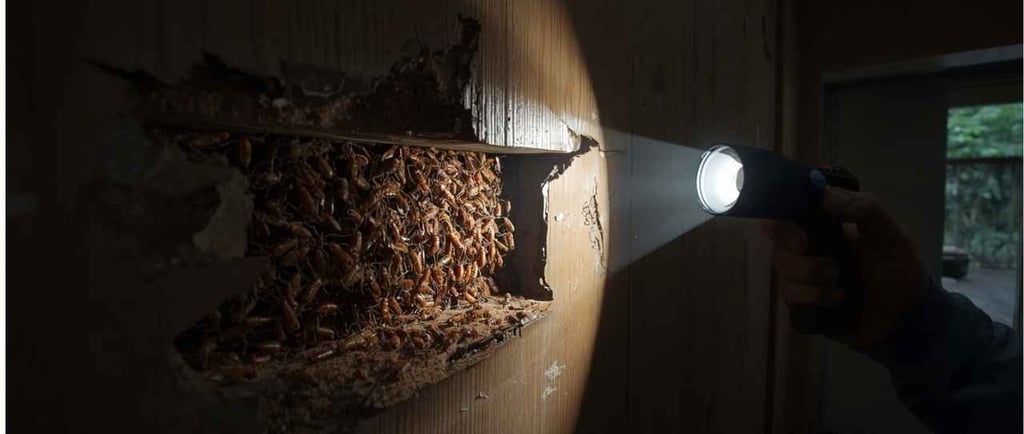
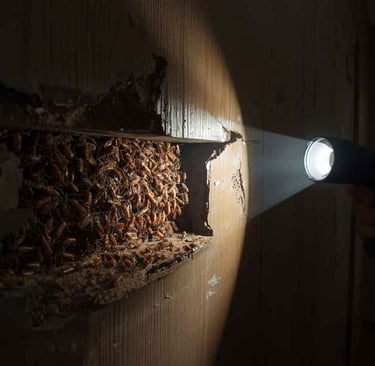
Termites, often referred to as "silent destroyers," are responsible for causing an astonishingly high level of damage worldwide, amounting to billions of dollars each year. Their ability to remain hidden while they voraciously consume wood and other cellulose materials lends to their menacing reputation. The severity of termite infestations cannot be understated, as these pests are known for their stealthy approach to destruction. Homeowners frequently remain oblivious to their presence until significant structural damage has already occurred, which can lead to costly repairs and extensive inconvenience.
In countries like Bangladesh, the issue of termite infestation is particularly acute. The climate and environmental factors create ideal conditions for these pests to thrive, increasing the vulnerability of homes in the region. The warm and humid weather, particularly during the monsoon season, provides an endless supply of moisture that termites require for survival. Moreover, many traditional building materials, such as wood, are commonly used in construction, making these structures even more susceptible to termite attacks.
This blog post aims to shed light on the urgent need for termite awareness and control among homeowners in Bangladesh and beyond. With the economic ramifications of termite damage being so pronounced, it is imperative for individuals to educate themselves about the signs of infestation and the preventive measures available. Recognizing the importance of safeguarding one's home can make all the difference in protecting against these destructive pests and ensuring a safe living environment.
What Exactly Are Termites?
Termites, belonging to the order Isoptera, are highly social insects primarily known for their ability to consume wood, leading to structural damage in residential and commercial properties. They are often likened to ants due to their social behavior, but it is important to note that they belong to a different taxonomic group. Ants are part of the order Hymenoptera, further emphasizing the need to differentiate these two distinct types of insects.
Termites can be classified into three primary castes, each contributing uniquely to the colony's prosperity and survival. The worker termites make up the majority of the colony. Their main responsibilities include foraging for food, constructing and maintaining the nest, and caring for the nymphs. These diligent worker termites are often the ones that directly cause damage to wood, making them a primary concern for property owners.
The second caste is the soldiers, whose primary role is to defend the colony from predators, particularly ants. Soldiers possess larger mandibles and an aggressive demeanor, allowing them to protect their community efficiently. Lastly, the reproductive caste includes queens and kings, who are responsible for breeding and ensuring the colony's growth. The queen's reproductive capacity is remarkable; she can lay thousands of eggs each day, significantly contributing to the colony's expansion.
Communication within termite colonies also plays a vital role in their functionality. Termites utilize chemical signals called pheromones to interact and coordinate tasks, ensuring that each caste operates synchronously. This organization allows them to work collaboratively in their quest for sustenance and survival, emphasizing their complex social structure.
How Termites Secretly Destroy Homes
Termites are often referred to as "silent destroyers" due to their ability to inflict significant damage to structures without being detected. One of their most alarming features is their unique ability to digest wood, specifically the cellulose found in it. Cellulose is the main component of the cell walls in plants, making it an abundant food source for these insects. As termites consume cellulose, they break it down into compounds that provide them with the necessary nutrients for survival, facilitating their relentless feeding habits.
These pests construct elaborate underground tunnels to navigate through the soil and access their food sources. By tunneling through wood, homes, and trees, termites damage both the structural integrity and aesthetic appeal of the buildings. What makes their infestation particularly insidious is that the damage often occurs out of sight. This hidden destruction can compromise the framework of a house or building over time, leading to considerable repair costs and potential safety hazards.
Moreover, termites do not limit their destructive behavior to external wood structures; they also invade furniture and other wooden items inside the home. The initial signs of termite damage may go unnoticed for months, as they often prefer to eat wood from the inside out. Consequently, homeowners may remain oblivious to the extent of the damage until the infestations are extensive. This factor, paired with their ability to reproduce rapidly, allows termites to escalate their destructive capabilities significantly, causing structural failures if left unchecked. Understanding the behavior and feeding habits of termites is vital for implementing preventive measures against these silent destroyers, ensuring the long-term preservation of homes and establishments.
Signs You May Have a Termite Infestation
Identifying a termite infestation early can save homeowners significant costs and structural damage. Here are prominent signs to look out for:
- Mud Tubes: Termites often construct mud tubes to access food sources while protecting themselves from open air. These tubes are typically found along walls, foundations, and other structures of your home. If you notice small, pencil-sized tubes running along your house’s foundation, it may indicate a termite presence.
- Hollow-Sounding Wood: Wood that sounds hollow when tapped could be a sign of termite activity. Termites tunnel through wood, leaving only a thin layer of surface, which typically leads to a hollow sound. If you suspect wood in your home may be compromised, do a test by tapping on it; a hollow sound may suggest an infestation.
- Broken Paint: If paint on wooden surfaces appears to bubble or crack, this may indicate an underlying termite issue. As termites feed on wood, the surface may become damaged, leading to paint deterioration. Inspect your wooden structures closely for any abnormalities.
- Swarming Insects: Winged termites, known as swarmers, often emerge from nests to mate and establish new colonies. Spotting swarming insects, particularly in the late spring or early summer, can be a definite sign of an infestation. Look for discarded wings around windowsills or doors.
- Damage to Books and Furniture: Check for signs of damage to wooden furniture and paper items in your home. Termites can invade bookshelves and causes significant damage to paper products. If you notice damaged items, it may suggest the presence of termites nearby.
- Odd-Fitting Doors and Windows: Doors and windows that suddenly become difficult to open or close could indicate that the frame has been compromised by termites. As wood becomes weakened, it may warp, leading to misalignment.
By keeping an eye out for these signs, homeowners can take proactive measures to address any potential termite issues before they escalate.
Why Termites Thrive in Dhaka and Bangladesh
Termites are often dubbed as "silent destroyers" due to their capability to inflict substantial damage before any signs of their presence are detected. In Bangladesh, particularly in urban centers such as Dhaka, the conditions are remarkably conducive for termite infestations. The tropical climate of Bangladesh, characterized by warm temperatures throughout the year, plays a significant role in creating a favorable environment for these pests. High humidity levels, which frequently exceed 70%, further enhance termites’ ability to thrive.
Moreover, the seasonal monsoons that occur in Bangladesh provide additional moisture, which is critical for the survival and reproduction of termites. They are attracted to damp wood, making situations where wood structures are exposed to water an ideal breeding ground. The heavy rainfall during the monsoon season can intensify wood decay, thus maximizing the risk of infestations in homes and buildings.
A key factor contributing to termite proliferation in Dhaka is the prevalence of wooden materials in construction and furniture. Many households across the city possess a significant amount of wooden furniture, which can easily be targeted by these pests. The combination of moisture and the availability of food sources, such as untreated wood, creates an environment where termites can establish colonies and thrive. Furthermore, with rising urbanization, the demand for wooden products continues to increase, inadvertently exacerbating the problem.
Understanding these conditions is crucial for property owners and pest management professionals seeking to implement effective termite control strategies. Taking preventative measures against termites in such an environment can be challenging but is essential in safeguarding homes and property from severe damage.
Scientific Facts About Termites
Termites are fascinating insects that play a significant role in our ecosystem, earning them the nickname, "silent destroyers." One of the most intriguing facts about termites is the lifespan of their queens. In a colony, a queen termite can live for over a decade, and some species can even reach ages of up to 30 years, significantly contributing to the colony's longevity. This extended lifespan allows for prolific reproduction, as a queen can lay thousands of eggs each day, ensuring the survival and growth of the colony.
The structure and size of a termite colony can also be quite remarkable. A mature colony can range from several thousand to millions of individuals. Unlike many other insects, termite societies are structured with a clear division of labor, which includes workers who forage for food, soldiers who protect the colony, and reproductive members. This sophisticated organization allows for efficient resource management and colony survival.
Another fascinating behavior exhibited by termites is their method of communication. Termites use a complex system of vibrations and pheromones to convey messages within the colony. These vibrations can signal danger, food sources, or can be a part of the mating rituals. This form of communication is crucial for maintaining colony structure and cohesion, ensuring that all members work together harmoniously.
Furthermore, some termite species, such as the fungus-farming termites, engage in an elaborate mutualistic relationship with fungi. These termites cultivate fungi in their nests, which they feed on as their primary food source. This behavior not only supports the nutritional needs of the termites but also highlights their ecological importance in nutrient recycling and soil enrichment.
Professional Termite Treatment Methods
Termites are often referred to as silent destroyers due to their ability to inflict extensive damage to wooden structures without immediate detection. This characteristic highlights the importance of professional termite treatment methods that go beyond typical DIY approaches, which frequently prove insufficient in effectively eliminating these pests. To safeguard homes, employing comprehensive and specialized techniques is vital.
One of the most widely utilized methods is soil barrier treatment. This technique involves applying liquid termiticides to the soil that surrounds a property. This chemical barrier serves to prevent termites from entering structures and is particularly effective when applied during the construction phase of a building. The soil barrier treatment acts as a proactive solution for long-term protection against termite infestations.
Another reliable method is wood injection treatment. This approach targets existing infestations by injecting termiticides directly into the wood where termites have been detected. This targeted application ensures that the chemicals reach the core of the infestation, providing immediate relief and mitigating future damage.
Baiting systems also represent an effective professional treatment option. This strategy involves placing bait stations around the perimeter of the home. These stations contain substances that attract termites and, once consumed, lead to the colony's elimination over time. Bait systems are less invasive and can be monitored regularly to prevent re-infestation.
For those concerned about environmental impact, eco-friendly pest control options have emerged in the industry. These methods utilize natural compounds with lower toxicity levels while still providing effective termite management. Professional exterminators are increasingly adopting these sustainable techniques to manage infestations responsibly.
Lastly, long-term monitoring is crucial in any effective termite management strategy. Professional pest control services often include routine inspections to ensure any re-emergence of termites is detected early. This commitment to monitoring and prevention is essential in maintaining a termite-free environment.
Why Urban Pest Control Pvt. Ltd. is Trusted in Bangladesh
In the realm of pest management, particularly when addressing the relentless threat posed by termites, trust and expertise are paramount. Urban Pest Control Pvt. Ltd. stands out as a government-authorized company in Bangladesh, dedicated to providing superior termite control solutions. Their reputation stems from a commitment to employing modern equipment and innovative techniques that enhance the effectiveness of their pest management strategies.
Urban Pest Control Pvt. Ltd. utilizes state-of-the-art technology, ensuring that their approaches to termite control are both efficient and environmentally considerate. The use of contemporary equipment minimizes disruption to the client's property while ensuring thorough inspections and treatments. This precision allows for the timely identification of termite infestations, which is crucial for preventing extensive damage.
Additionally, the company’s dedication to safe chemical practices sets it apart from competitors. Urban Pest Control adheres to stringent safety guidelines, employing eco-friendly products that are effective against termites yet safe for use around families and pets. This careful approach reassures clients that while pest control is essential, their health and safety are not compromised in the process.
The expertise of the technicians at Urban Pest Control Pvt. Ltd. further reinforces their reputation as a reliable pest control provider. Their trained professionals possess extensive knowledge of termite behavior and treatment methodologies, allowing for a tailored approach to each infestation scenario. Whether servicing residential homes or commercial properties, the team combines technical proficiency with a commitment to customer service, ensuring that client needs are always prioritized.
Given these factors, Urban Pest Control Pvt. Ltd. emerges as a trusted partner in termite management across Bangladesh. Their combination of modern methods, safety protocols, and skilled technicians positions them as leaders in the pest control industry, fostering confidence in their ability to effectively manage and prevent termite-related challenges.
Address:
264/5, Kamal Soroni Road, Mirpur, Dhaka-1216
Contact
Your Quaries on pest control askings
pestexterminatorbd@gmail.com
+8801642008383 +8801988300003, 01723057746
© 2025. All rights reserved. to Urban Pest Control Pvt. Ltd. this site is powered by Our Own IT Team