
Why Termites Return After Treatment
Why Termites Return After Treatment
1/26/20267 min read
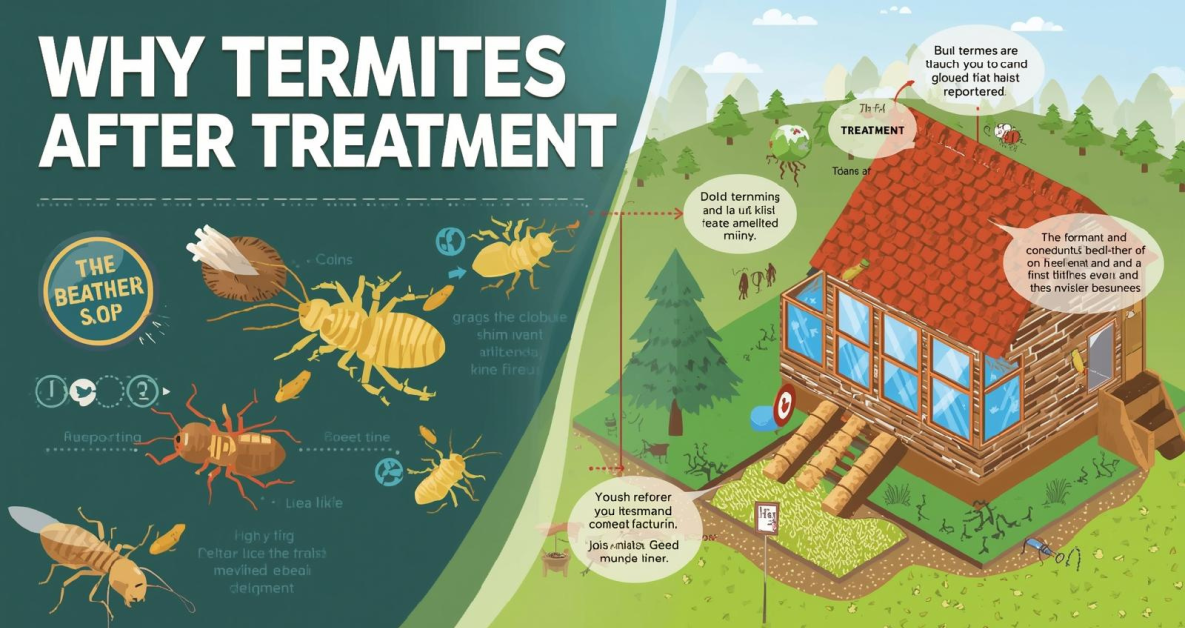
Introduction to Termite Infestations and Treatments
Termites are highly destructive pests known for their ability to compromise the structural integrity of buildings and homes. These wood-destroying insects thrive in colonies, with certain species capable of consuming significant amounts of wood each day. Infestations often go unnoticed until substantial damage has occurred, which underlines the importance of understanding and addressing termite issues promptly.
The significance of effective termite treatment cannot be overstated. A single colony can contain thousands of termites, creating a serious threat to wooden structures. Common treatment methods include liquid pesticides, baiting systems, and physical barriers. Liquid treatments involve applying chemicals to the soil around a structure, forming a barrier that deters or kills termites upon contact. Bait systems utilize a monitored bait placed around the property, which contains slow-acting insecticides. This method is designed to be consumed by the colony, leading to reduced populations over time. Physical barriers, such as steel mesh or sand barriers, prevent termites from entering a property.
Despite these methods, one of the most challenging issues in pest control is the recurrence of termite infestations. Even after successful treatment, property owners may find themselves facing renewed termite activity. Reasons for this recurrence include ineffective treatment methods, the resurgence of nearby colonies, or the reinfestation from untreated wood sources. Furthermore, environmental factors and the characteristic behavior of termites can contribute to their return. Understanding these underlying reasons is crucial for property owners seeking to implement effective long-term solutions against termite invasions.
Understanding Termite Behavior and Lifecycle
Termites are social insects that live in colonies, which can range from a few thousand to millions of individuals, depending on the species. Their complex social structure is an essential feature of their biology, enabling them to thrive in various environments. The lifecycle of termites consists of several stages: egg, nymph, and adult, each playing a crucial role in the colony's sustainability. The queen, who can live for many years, is responsible for laying thousands of eggs daily, ensuring the colony's growth.
The nymph stage resembles the adult form but is not fully developed. During this phase, nymphs undergo a series of molts before transforming into either workers, soldiers, or reproductive adults. Worker termites are primarily responsible for foraging, caring for the queen and young, and repairing the nest, while soldiers protect the colony from predators. This division of labor within the colony illustrates the highly organized behavior of termites, which is critical in their quest for resources.
Termite foraging patterns are another integral aspect of their behavior. They are constantly in search of cellulose material, which is predominantly found in wood, paper, and other plant fibers. This relentless search often leads them to invade human structures, making the management of termite populations challenging. Their ability to travel underground enables them to access food sources that are not immediately visible, complicating inspection and treatment efforts. Furthermore, termites communicate through pheromones, alerting other colony members to food sources and potential threats, thus facilitating effective group foraging strategies.
Ultimately, understanding termite behavior and lifecycle stages is crucial in identifying why they may return after treatment. Their high reproductive rate, organized social structure, and foraging efficiency make controlling termite populations a complex task that requires careful planning and execution.
Common Reasons for Termites’ Return
Termite infestations can pose a significant threat to structures, yet it is not uncommon for these pests to return even after a treatment has been applied. Understanding the underlying reasons for this recurrence is essential for effective long-term management. One common reason for the return of termites is incomplete or ineffective treatment. If the treatment does not penetrate deep enough into the wood or soil, it may fail to eliminate all existing termites and their colonies. This inadequacy can occasionally stem from improper application techniques or the use of insufficient quantities of the treatment products.
Another factor contributing to the resurgence of termite activity is pressure from neighboring infestations. Termites can easily travel between adjoining properties, especially in densely populated areas. If a neighboring home is infested and appropriate measures are not taken, there is a high likelihood that termites will migrate back to treated properties, seeking new sources of food and shelter.
Habitat suitability can also encourage the return of termites after treatment. Termites thrive in damp, humid environments, making it crucial for homeowners to address moisture issues around their property. Leaky pipes, poor drainage, and other moisture-related problems can create a conducive environment for termites. Additionally, wood debris and improper landscaping practices may furnish food sources that lure terminated colonies back to previously treated areas.
Other conditions that might promote termite return include seasonal factors, such as warm weather that prompts swarming behavior. By acknowledging these common reasons for the return of termites, property owners can take a proactive approach to prevent re-infestation and ensure enduring effectiveness of treatments implemented.
Traditional termite treatments often rely on chemical applications and bait systems to eradicate infestations. However, these methods come with significant limitations that can ultimately contribute to a resurgence of termite activity. One of the primary concerns with chemical treatments is the potential for incomplete eradication. If the application is not timely, or if the product is inadequately distributed, some termites may survive, leading to a new infestation. This inadequacy can stem from a lack of experience or knowledge among those performing the treatments.
Moreover, environmental factors can significantly impact the effectiveness of traditional treatments. For instance, moisture levels and soil conditions can affect how well chemicals penetrate the ground, leading to diminished efficacy. When treatments are not adequately tailored to specific environmental conditions, they may fail to curb termite activity and lead to re-infestation. Infestations can also arise in nearby areas not treated effectively, enabling the termites to migrate back to previously treated zones.
The development of treatment resistance is another pressing issue facing conventional termite control methods. Over time, certain termite colonies may adapt to chemical treatments, reducing their effectiveness. As a result, termites that were once susceptible can develop resistance, presenting a substantial challenge in managing and eradicating such populations. This resistance can lead to a need for repeated applications or the use of stronger chemicals, which may raise health and environmental concerns.
Overall, while conventional treatments can be effective, they are not foolproof. It is crucial to understand their limitations and the various factors that can contribute to treatment failures. A more holistic approach to termite management that considers these challenges can lead to more reliable long-term solutions.
Preventative Measures to Avoid Recurrence
After addressing a termite infestation, it is crucial for homeowners to implement preventative measures to avoid recurrence. Regular inspections play a vital role in early detection of termite activity. Homeowners should arrange for professional pest control inspections at least once a year, as certified technicians possess expertise in identifying new infestations before they escalate. Additionally, conducting self-inspections on a semi-annual basis can help in recognizing potential vulnerabilities in the structure.
Proper landscaping practices are another significant factor in deterring termites. Homeowners should ensure that wood mulch is not placed directly against the foundation of the home. Furthermore, maintaining a distance between tree branches and structures can prevent termites from reaching their food sources easily. Keeping firewood, lumber, or other wooden materials stored at least 20 feet away from the home is also advisable, as it minimizes attraction points for these pests.
Humidity levels within the home should also be monitored and maintained. Termites thrive in moist environments, so it is essential to address leaks, indicate moisture, and provide adequate ventilation in basements, attics, and crawl spaces. Installing dehumidifiers in secluded areas may significantly reduce humidity levels, thus limiting termite attraction.
Another preventative tactic involves sealing entry points around the home. Homeowners should inspect windows, doors, and any cracks in the foundation regularly, ensuring they are properly sealed. Utilizing caulk and weather stripping can effectively close off potential entryways for termites. Additionally, addressing gaps in plumbing and electrical wiring can also lessen the possibility of termite access.
Finally, homeowners should consult with professional pest control services. Developing a comprehensive pest management plan tailored to specific properties can further enhance protective measures against termite infestations.
Innovations in Termite Control and Treatment
The landscape of termite control is evolving significantly, driven by a need for more effective and sustainable solutions. Traditional methods, while still widely used, are increasingly being complemented by innovative approaches that leverage emerging technologies. One such method is Integrated Pest Management (IPM), which emphasizes a holistic strategy that combines various control techniques. IPM allows for the use of biological, physical, and chemical means to manage termite infestations while minimizing environmental impact.
Microbial controls represent another promising advancement in termite treatment. Scientists are exploring the use of naturally occurring microorganisms, such as beneficial nematodes and fungi, that specifically target termites. These biological agents can effectively disrupt the life cycle of termites, offering a lower-risk alternative to traditional chemical treatments. This approach not only enhances the efficacy of termite management but also aligns with growing consumer demand for eco-friendly pest control solutions.
Furthermore, advancements in monitoring systems are transforming how termite infestations are detected and managed. Technologies such as remote sensors and real-time monitoring tools allow homeowners and pest control professionals to track termite activity more accurately. By providing timely data, these systems enable proactive intervention before infestations reach damaging levels. Innovations like this not only enhance the effectiveness of treatments but also help in significantly reducing the chance of recurrence, as they facilitate a more informed approach to termite management.
As the pest control industry continues to innovate, it is essential to stay informed about these advancements. By embracing new technologies and methods, homeowners can develop a more comprehensive strategy for termite control that minimizes the risk of future infestations. This proactive stance is vital in addressing the persistent issue of termite return after treatment.
Conclusion and Final Thoughts on Termite Management
Understanding why termites return after treatment is crucial for homeowners who seek to protect their properties from these destructive pests. Our discussion has highlighted several factors that contribute to the persistent nature of termite infestations, including treatment limitations, environmental conditions, and the behavior of termite colonies. Recognizing these elements can empower homeowners to take a more proactive approach to termite management.
Firstly, it is important to acknowledge that while various treatments exist, none can guarantee absolute elimination of termites. Chemical treatments may be effective in the short term but can be undermined by new termite colonies entering from surrounding areas or by the development of resistance over time. Additionally, moisture, a key attractant for termites, must be managed to hinder their return. Homeowners should regularly inspect their properties for signs of dampness, leaks, or wood-to-soil contact, all of which can create favorable conditions for termite activity.
Furthermore, ongoing vigilance is paramount in the fight against termite infestations. Conducting regular inspections and maintenance around the home can significantly reduce the chances of future invasive activity. Homeowners are encouraged to stay informed about the best practices for termite prevention and to enlist the help of pest management professionals for regular evaluations. This approach will not only address the immediate concerns of termites but also establishes a long-lasting defense against potential invasions.
In summary, understanding termite behavior and the limitations of treatments allows for a more strategic approach to termite management. By maintaining awareness and implementing proactive measures, homeowners can safeguard their properties from the threat posed by these pests, ultimately ensuring a more secure and healthier living environment.
Address:
264/5, Kamal Soroni Road, Mirpur, Dhaka-1216
Contact
Your Quaries on pest control askings
pestexterminatorbd@gmail.com
+8801642008383 +8801988300003, 01723057746
© 2025. All rights reserved. to Urban Pest Control Pvt. Ltd. this site is powered by Our Own IT Team