
Why Unused Rooms BecWhy Unused Rooms Become the First Target of Hidden Pestsome the First Target of Hidden Pests
2/5/20264 min read
Understanding Hidden Pests and Their Habitats
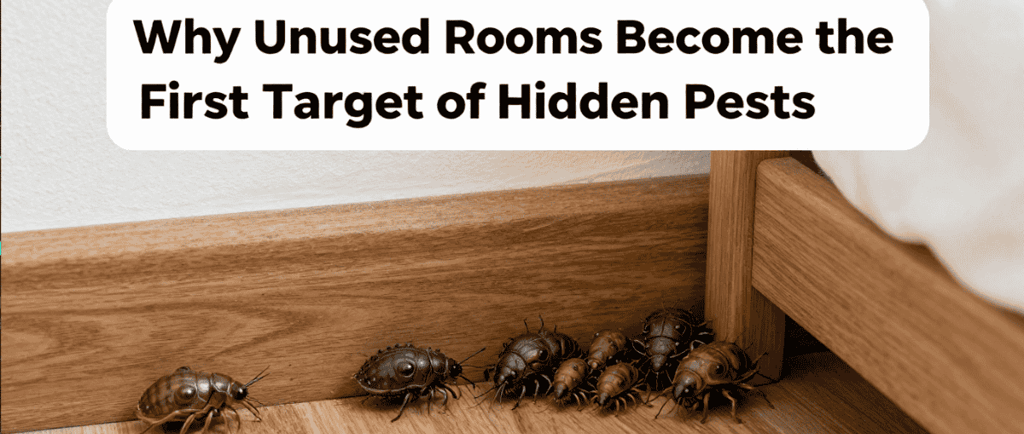
Hidden pests, often overlooked by homeowners, typically find their way into residences through increasingly appealing unoccupied spaces. Common types of these pests include rodents, cockroaches, spiders, and various types of insects. Each of these creatures has specific environments where they thrive, particularly in areas that are rarely disturbed.
Unused rooms in a home provide an ideal breeding ground for these unwanted guests. The lack of human activity results in minimal disturbances, which fosters a conducive atmosphere for these pests to nest and proliferate. For instance, rodents are attracted to hidden locations where they can find shelter and ample sources of food, such as crumbs or unsealed food items. Similarly, cockroaches are notorious for seeking out dark, humid environments, allowing them to multiply and remain hidden from view.
The ecological conditions in unused rooms contribute significantly to the survival of hidden pests. For example, warmth is a critical factor; areas that are insulated or have HVAC units can create microclimates that appeal to pests during colder months. Furthermore, clutter in these rooms works as both a hiding place and a source of potential food, making it easier for pest populations to increase undetected.
Another factor is the presence of moisture, which is often found in unused bathrooms or basements. Pests like silverfish and termites thrive in these damp conditions. Consequently, when spaces are neglected over time, pests establish themselves, leading to infestations that can go unnoticed until the situation becomes serious.
Understanding the behaviors and habitats of various hidden pests emphasizes the importance of maintaining all areas of a home, including those that are not frequently used. By recognizing how pests adapt to different environments, homeowners can take steps to mitigate these risks.
Factors Contributing to Unused Rooms Being Invaded
Unused rooms in residential spaces often become prime targets for pest infestations due to a combination of factors that create appealing conditions for various species of pests. One of the primary considerations is shelter. These rooms frequently lack regular human activity, offering pests a secure environment where they can proliferate without interruption. Insects, rodents, and other pests can establish nests and colonies, finding comfort in the undisturbed nature of these spaces.
The availability of food and moisture is another critical element that attracts pests to unused rooms. Clutter that accumulates over time, such as old boxes, furniture, or discarded items, may contain organic materials that serve as food sources. Moreover, spills or leaks that are left unattended can provide the needed moisture for pests to thrive. Thus, without regular cleaning and maintenance, unused rooms can easily become hospitable to a variety of pests.
Environmental conditions also play a significant role in pest invasions. Factors such as poor ventilation can foster an environment conducive to the growth of mold and mildew, which may attract specific pests like ants or cockroaches. Seasonal changes can exacerbate this situation; for instance, during colder months, pests often seek warm, dry places to evade harsh weather conditions, making neglected rooms especially inviting.
In conclusion, the combination of shelter, food availability, moisture, clutter, poor ventilation, and seasonal changes all contribute to the vulnerability of unused rooms to pest infestations. Addressing these factors is essential in mitigating the risks associated with an infestation, ensuring a healthier living environment.
Signs of Pest Infestation in Unused Rooms
Pest infestations often go unnoticed in unused rooms until they reach noticeable levels. Recognizing early signs can help prevent more significant problems. One of the most apparent indicators of pest presence is their droppings. These can vary in size and color depending on the type of pest, and finding droppings in corners, near potential entry points, or around stored items should raise immediate concerns.
Another key sign is the presence of gnaw marks. Many pests have strong teeth that allow them to chew through various materials, including wood, plastic, and even electrical wiring. Finding these marks in hidden or neglected areas can indicate an ongoing issue and suggests that pests are actively feeding and nesting in the vicinity. Similarly, nests can often be found in less disturbed areas. These can range from simple clusters of materials to more complex structures made from various debris, and their presence indicates a breeding ground.
Unusual odors can also signal a pest problem. Some infested areas may emit foul smells due to decaying matter or the pheromones released by certain pests, which can be particularly notable in enclosed spaces. Regular inspections of unused rooms, such as attics, basements, and storage, are essential for early detection. Setting up a routine schedule to examine these spaces can greatly increase the chances of identifying signs of infestation before they escalate.
Maintaining cleanliness and organizing storage can also deter pests. It is wise to limit clutter, as it provides ideal hiding spots for rodents and insects. By remaining vigilant and proactive, property owners can significantly reduce the risk of severe infestations in unused rooms.
Preventive Measures to Keep Unused Rooms Pest-Free
Unused rooms in a home can become prime targets for hidden pests, making it essential for homeowners to adopt effective preventive measures. Maintaining cleanliness is the first line of defense against unwanted infestations. Regularly dusting and vacuuming these spaces will eliminate potential food sources for pests such as dust mites and insects. Even when a room is not in use, establishing a routine cleaning schedule can help ensure that debris and organic materials do not accumulate.
Sealing entry points is another crucial strategy in pest prevention. Inspect windows, doors, and any cracks in walls for gaps that pests can exploit to gain access. Utilizing caulking to seal these openings can serve as a barrier against common invaders. It is equally important to check utility lines, as pests can also enter through these pathways. By taking the time to assess and fortify potential entry points, homeowners can significantly reduce the risk of infestations.
Moreover, controlling moisture levels is vital in preventing pest attraction. Many pests thrive in humid environments, so using dehumidifiers in unused rooms can mitigate this risk. Additionally, ensuring proper ventilation can help keep these areas dry and less hospitable to pests. Alongside moisture control, eliminating any food sources is critical. Store non-perishable items in airtight containers and dispose of any items that are no longer needed.
Furthermore, using pest control products can provide an extra layer of protection. Homeowners may consider utilizing traps or natural repellents that are specifically designed for targeted pests. For persistent or severe infestations, consulting a professional pest control service may be beneficial. By implementing these strategies, homeowners can effectively safeguard their unused rooms from becoming havens for pests.
Address:
264/5, Kamal Soroni Road, Mirpur, Dhaka-1216
Contact
Your Quaries on pest control askings
pestexterminatorbd@gmail.com
+8801642008383 +8801988300003, 01723057746
© 2025. All rights reserved. to Urban Pest Control Pvt. Ltd. this site is powered by Our Own IT Team