
Why Your Skin Becomes a Breeding Ground for Micro-Pests Over Time
2/5/20267 min read
The Human Skin: An Overview
The human skin is the largest organ of the body, playing a crucial role in maintaining overall health. Structurally, it comprises three primary layers: the epidermis, dermis, and hypodermis. Each layer contributes uniquely to the skin's function, primarily serving as a barrier against environmental hazards, pathogens, and physical injuries.
The epidermis, the outermost layer, serves to protect underlying tissues and provides a waterproof barrier. It is primarily composed of keratinocytes, which produce keratin, a protein that aids in this protective function. The presence of melanocytes in this layer is significant as they produce melanin, contributing to skin color and protecting against ultraviolet radiation.
Just beneath the epidermis is the dermis, a thicker layer that houses connective tissues, blood vessels, and sensory receptors. This layer is essential for thermoregulation, as it contains sweat glands and sebaceous glands. These glands play a vital role in maintaining skin hydration and providing a slightly acidic environment that is hostile to many pathogenic organisms. This is vital in preventing the proliferation of harmful microorganisms.
Furthermore, the hypodermis acts as an insulating layer, connecting the skin to underlying tissues and organs. It is primarily composed of adipose tissue, which stores fat and provides cushioning, thus protecting against external trauma.
The skin also hosts a unique ecosystem of microorganisms, including bacteria, fungi, and viruses, playing a fundamental role in skin health. These microorganisms, or the skin microbiome, cooperate with the skin's physical barriers to fend off harmful entities and contribute to the immune response. This symbiotic relationship is integral to maintaining skin integrity and function throughout a person's life.
What Are Micro-Pests?
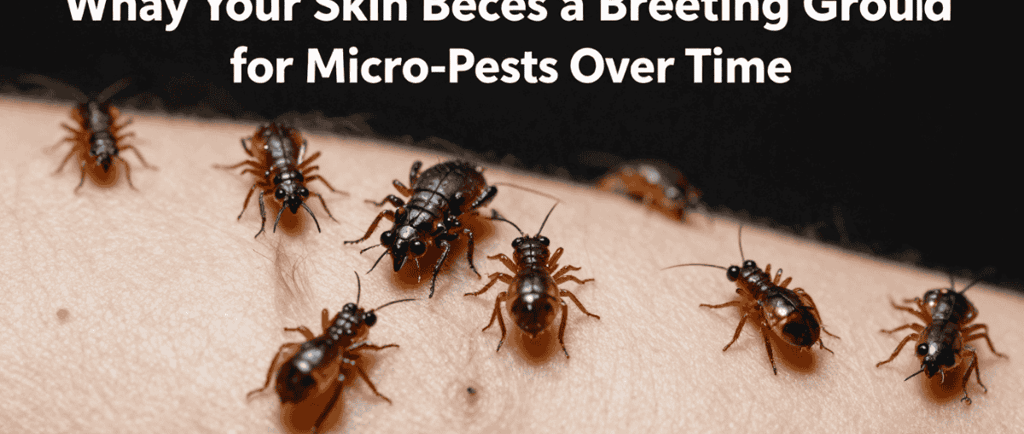
Micro-pests refer to an array of minuscule organisms that can inhabit the human skin, including bacteria, fungi, mites, and viruses. These microorganisms are typically not visible to the naked eye, yet they play a significant role in skin health and can sometimes contribute to various skin conditions. Each type of micro-pest has unique characteristics that allow it to thrive on the skin, often taking advantage of its natural environment.
Bacteria such as Staphylococcus epidermidis and Propionibacterium acnes are commonly found on the skin's surface and are generally harmless. However, when the skin’s microbiome is disrupted, these bacteria can proliferate, leading to issues such as acne. Moisture, oils, and other debris provide an ideal growth medium for these microorganisms, making skin conditions worse under specific environmental conditions.
Fungi, particularly species like Malassezia, are also significant inhabitants of the skin, especially on oily areas. They can overgrow in warm, humid conditions, leading to problems such as dandruff or seborrheic dermatitis. Furthermore, certain viruses can infect skin cells, resulting in conditions like warts or even cold sores, emphasizing the diverse nature of micro-pests within the skin ecosystem.
Another category includes microscopic mites, such as Demodex, which live in hair follicles. While typically harmless, a high population can contribute to skin irritation, especially in individuals with compromised skin barriers. The growth of micro-pests is often encouraged by factors like excessive sweating, poor hygiene, and certain medical conditions. Understanding these organisms is crucial for maintaining skin health and preventing outbreaks of various conditions.
Factors Contributing to Micro-Pest Proliferation
The proliferation of micro-pests on the skin can be attributed to a variety of factors that interact over time. One of the most significant contributors is the change in skin pH levels. Healthy skin typically has a slightly acidic surface, which acts as a natural barrier against pests and harmful microorganisms. However, if this pH balance is disrupted due to various reasons such as skincare products, environmental changes, or dietary factors, the skin’s defense mechanism weakens, allowing micro-pests to thrive.
Another critical factor is hormonal fluctuations that occur throughout a person’s life, particularly during puberty, pregnancy, and menopause. These hormonal changes can increase oil production and alter the skin’s environment, creating favorable conditions for micro-pests to proliferate. For instance, an increase in oiliness can create a more hospitable environment for mites and bacteria.
Environmental influences, such as heat and humidity, also play a pivotal role in the abundance of micro-pests on the skin. High temperatures and moisture can lead to an increase in perspiration and sebum production. Together, these elements can foster a supportive environment for pests, compounding the problem. Furthermore, inadequate hygiene practices can exacerbate the issue. Poor skin care routines may not effectively remove dead skin cells, sweat, or oils, creating an ideal breeding ground for micro-pests.
Lastly, the natural aging process results in changes to the skin’s structure and function. As skin ages, it tends to become thinner and drier, compromising its barrier function. This may increase vulnerability to pest colonization if proper care is not taken. Thus, a multifaceted approach must be considered while addressing micro-pest prevalence on the skin to ensure effective prevention and treatment strategies.
The skin is not merely a barrier but an ecosystem that hosts a variety of microorganisms, including bacteria, fungi, and viruses, often referred to as the skin's microflora. These microbes inhabit the surface of the skin and play a vital role in maintaining skin health. However, the introduction of different skin care products can significantly impact this delicate balance, either promoting or inhibiting the growth of particular micro-pests.
When selecting skin care products, it is essential to consider their ingredients. Some formulations, particularly those containing harsh chemicals, can strip the skin of its natural oils and disrupt its microflora. Ingredients such as sulfates and alcohol can lead to dryness, which may encourage opportunistic micro-pests to flourish. Conversely, products rich in natural moisturizing ingredients, like hyaluronic acid and ceramides, can support the skin's barrier function and help maintain a healthy microflora.
Furthermore, products containing probiotics or prebiotics are becoming increasingly popular in skin care due to their potential to foster beneficial bacteria while inhibiting the growth of harmful micro-pests. These ingredients can restore the skin's natural balance, promoting a healthier environment that deters unwanted microorganisms. It’s also important to be cautious with fragrances and preservatives, as they may trigger irritation and create an environment conducive to microbial overgrowth.
Additionally, the pH level of skin care products has a critical role in shaping the skin's environment. Products that are too alkaline can disrupt the acid mantle, leading to an imbalance in the skin’s microbiome. Therefore, choosing pH-balanced skin care is crucial for ensuring the skin remains healthy and resistant to micro-pest proliferation.
Lifestyle Choices and Their Effects on Skin Health
The condition of our skin is influenced by various lifestyle choices we make, which in turn can affect the proliferation of micro-pests. Diet plays a significant role, with skin health benefiting from a balanced intake of nutrients. Consuming a diet rich in vitamins, minerals, and antioxidants can enhance the skin's natural barrier, making it less susceptible to external irritants and infestations of micro-pests. Foods high in refined sugars and unhealthy fats, on the other hand, can lead to inflammation and compromised skin integrity, creating an optimal environment for pests to thrive.
In addition to diet, the levels of stress individuals experience can substantially influence skin health. Chronic stress is known to trigger hormonal changes that can appear on the skin as breakouts or inflammation. This destabilization of the skin’s balance may facilitate an increase in micro-pests, which feed off unhealthy skin states. Hence, incorporating stress-relief techniques, such as mindfulness and regular physical activity, can be beneficial not only for overall well-being but also for maintaining a healthy skin environment.
Hydration also plays a crucial role in skin health. Proper hydration maintains skin elasticity and moisture levels, thus resisting dryness that can lead to skin conditions conducive to pest infestations. Drinking adequate water daily helps in flushing out toxins from the body, which may otherwise negatively impact skin vitality. Furthermore, prioritizing quality sleep is essential for skin repair and regeneration. During sleep, the body undergoes processes that restore skin health, preventing potential imbalances wherein micro-pests may thrive.
Adopting a holistic approach that integrates a nutritious diet, effective stress management, sufficient hydration, and adequate sleep can significantly enhance skin health. By understanding how each of these lifestyle factors interconnects, individuals can create a balanced ecosystem on their skin, minimizing the chances of micro-pests taking hold.
Signs and Symptoms of Micro-Pest Overgrowth
Understanding the signs and symptoms associated with micro-pest overgrowth on the skin is crucial for maintaining healthy skin. Various factors can contribute to the proliferation of these pests, leading to noticeable skin changes. One of the most common indicators of micro-pest overgrowth is irritation, which can manifest as persistent itchiness or discomfort in affected areas. This irritation may be accompanied by redness, making the skin appear inflamed and sensitive.
Another prevalent symptom of micro-pests is the emergence of acne or breakouts. These skin conditions may present as clusters of pimples or cystic acne, particularly in regions where skin oils and dead skin cells accumulate. In some instances, this can lead to scarring if not treated properly. Acne caused by micro-pest overgrowth often does not respond well to standard over-the-counter treatments, necessitating further investigation.
In addition to irritation and acne, people may experience other skin conditions such as rosacea or eczema exacerbated by the presence of micro-pests. Rosacea, characterized by facial redness and visible blood vessels, can worsen with the growth of these pests. Similarly, eczema flare-ups may become more frequent and severe due to the imbalance in the skin’s microbiome caused by micro-pest activity.
If you notice these signs, it is advisable to consult a healthcare professional. Timely intervention can help prevent the worsening of symptoms and provide effective treatment options tailored to your specific skin concerns. By recognizing these symptoms, individuals can take proactive measures to restore skin health, highlighting the importance of being attentive to changes occurring on the skin's surface.
Preventive Measures and Treatment Options
Maintaining healthy skin is essential to prevent the overgrowth of micro-pests, which can lead to various skin issues. One effective measure is to establish a consistent skincare routine that focuses on cleansing and moisturizing. Use a gentle, pH-balanced cleanser to remove dirt and excess oils without stripping the skin of its natural moisture. Incorporating a lightweight moisturizer can help maintain hydration, which is crucial for skin barrier function.
Another preventive strategy is to pay attention to your environment. Micro-pests thrive in humid and unclean areas, so keeping your living space clean and dry can significantly minimize their proliferation. Regular vacuuming, washing bed linens frequently, and maintaining air circulation can contribute to a less favorable environment for these organisms. Additionally, consider using natural remedies such as tea tree oil or witch hazel, both known for their antimicrobial properties. These can be applied topically in diluted forms to help deter unwanted pests.
Beyond lifestyle changes, it is important to be vigilant and recognize when to seek professional help. If you notice persistent skin issues, such as redness, itching, or unusual growths, it may signify a more serious underlying problem that requires dermatological assessment. Consulting with a dermatologist will ensure appropriate diagnosis and treatment options, which may include medicated topical treatments or oral medications if necessary.
In conclusion, implementing preventive measures, maintaining a proper skincare routine, and knowing when to seek professional help are essential steps in combating the overgrowth of micro-pests on the skin. Through these strategies, individuals can enhance their skin health and ultimately reduce the risk of skin-related concerns associated with these organisms.
Address:
264/5, Kamal Soroni Road, Mirpur, Dhaka-1216
Contact
Your Quaries on pest control askings
pestexterminatorbd@gmail.com
+8801642008383 +8801988300003, 01723057746
© 2025. All rights reserved. to Urban Pest Control Pvt. Ltd. this site is powered by Our Own IT Team