
Your Home Is an Ecosystem. Control What Lives Inside.
2/2/20267 min read
Understanding Your Home as an Ecosystem
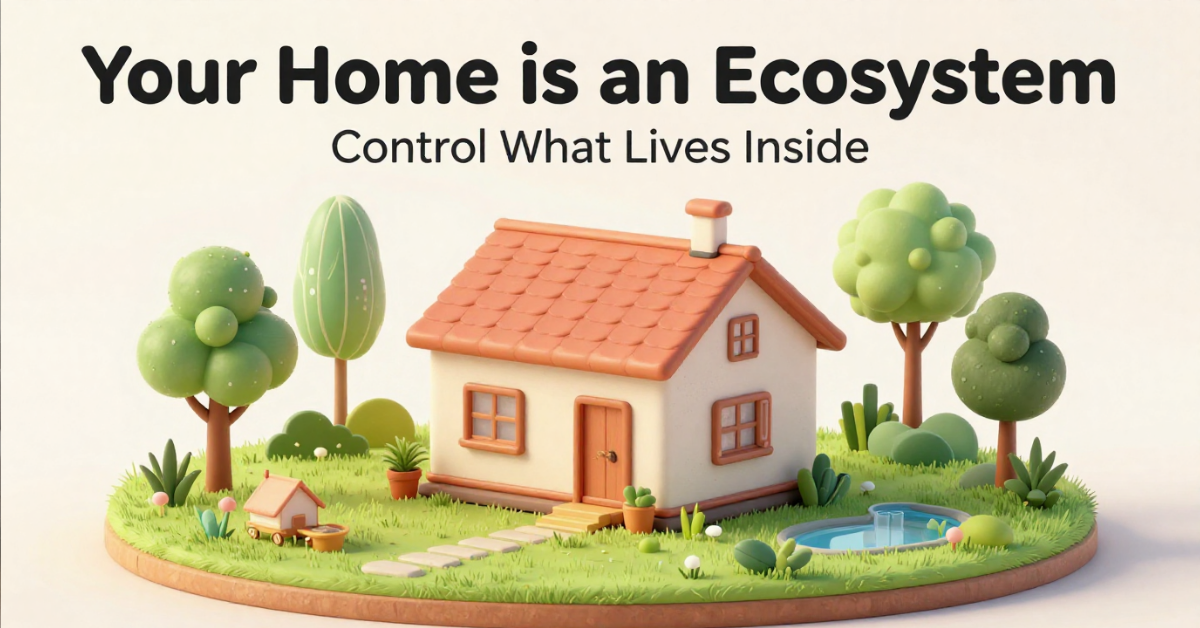
The concept of a home as an ecosystem provides a profound perspective on the living environment we create and inhabit. An ecosystem is defined as a community of living organisms interacting with one another and their physical surroundings. This interaction produces a complex web of relationships that underscore the delicate balance required for survival. Within the confines of a home, this idea manifests uniquely, as the space is inhabited not only by humans but also by animals, plants, and a multitude of microorganisms.
As individuals embark on the journey of homeownership or renting, it is vital to recognize the various organisms present in this shared environment. Humans form the core of the ecosystem, influencing factors like temperature, humidity, and air quality. Pets, often viewed as mere companions, also play significant roles within this dynamic. Their needs and behaviors can impact the ecological balance directly, reminding homeowners to consider their pets not just as animals but as integral members of the household.
Further, plants in the home contribute positively to the ecosystem. They absorb carbon dioxide and release oxygen, improving air quality and fostering a more pleasant ambience. They can also support mental well-being and enhance the overall aesthetic of living spaces. Importantly, microorganisms, including bacteria and fungi, inhabit the unseen corners of homes and are crucial for maintaining a healthy ecosystem. These tiny organisms play roles in decomposing organic matter and recycling nutrients, making them essential for a functioning domestic environment.
In acknowledging the interconnectedness of these entities, homeowners can foster a balanced ecosystem that supports not only their well-being but also that of every living organism within their spaces. Thus, understanding your home as an ecosystem can significantly enhance your appreciation of the intricate relationships that exist within it.
The Importance of Controlling Your Home Environment
Maintaining control over the organisms and conditions in your home ecosystem is paramount for various reasons that span health and psychological well-being. A well-managed home contributes significantly to indoor air quality, which can affect occupants’ health. Poor indoor air quality often results from the accumulation of allergens, pollutants, and harmful microorganisms, leading to respiratory issues, allergies, and other health complications. Regular monitoring and management of ventilation, humidity, and pollutant sources can enhance air quality, thereby fostering a healthier living environment.
Pest infestations are another concern that arises when the home ecosystem is not properly controlled. Pests such as rodents, insects, and other unwanted organisms can introduce harmful bacteria and allergens into the environment. These pests can compromise hygiene and lead to various health problems, underscoring the necessity of insect management and preventive measures. Implementing effective pest control strategies not only eliminates these nuisances but also helps in maintaining the integrity of the household environment.
Furthermore, the psychological benefits of living in a balanced and well-maintained home cannot be overstated. An environment free from clutter, pests, and harmful organisms fosters a sense of security and tranquility that contributes to mental well-being. A clean and organized home supports stress reduction and enhances overall life satisfaction, encouraging a positive lifestyle. By controlling the inherent conditions within the home, residents can cultivate a sanctuary that nurtures both physical and mental health.
In essence, the act of controlling your home ecosystem is not merely about physical upkeep; it is essential for ensuring optimal health, preventing infestations, and preserving a comforting atmosphere. Addressing these factors holistically ensures a harmonious living environment, which is vital for the well-being of all inhabitants.
Identifying the Organisms in Your Home
Your home is a complex ecosystem comprising various organisms that can significantly affect your living environment. These organisms can be broadly categorized into humans, pets, plants, and pests. Understanding the roles of these different entities is crucial for maintaining a healthy home ecosystem.
Firstly, humans are the primary inhabitants of any domestic space, and their activities influence the presence of other organisms. Pets, such as dogs and cats, also contribute positively to the home environment, offering companionship and emotional support. They can, however, introduce parasites like fleas and ticks, which are important to monitor.
Plants play a vital role in enhancing indoor air quality and aesthetic value. Houseplants, such as Spider Plants and Snake Plants, can absorb toxins and release oxygen. It is essential to care for them properly, as neglected plants can attract pests like spider mites or aphids, which are detrimental to the ecosystem.
On the contrary, harmful organisms like mold, termites, and various insects can disrupt the health of your home. Mold, for instance, thrives in damp areas and can cause respiratory issues. Recognizing the signs of mold growth, such as a musty odor or visible discoloration, is crucial in mitigating its impact. Insect infestations, including ants and cockroaches, can often be identified through droppings or gnaw marks.
To effectively investigate the presence of these organisms, regular inspections are vital. Pay attention to areas prone to moisture, such as bathrooms and kitchens, where mold might flourish. Likewise, being observant of pest activity, such as food damage or droppings, can help you take preventive measures in time. Understanding and managing these organisms will foster a balanced and thriving ecosystem within your home.
Creating a Healthy Ecosystem: Cleaning and Maintenance Tips
Maintaining a healthy home ecosystem demands regular cleaning and thoughtful upkeep. Implementing a structured cleaning routine can significantly enhance indoor air quality and overall well-being. Aim for weekly cleaning sessions that focus on high-traffic areas, such as living rooms, kitchens, and bathrooms, where dust and allergens tend to accumulate.
Utilizing natural cleaning products can further contribute to a healthier living environment. These solutions often lack harsh chemicals, reducing the risk of indoor air pollution. Ingredients like vinegar, baking soda, and essential oils not only provide effective cleaning results but also ensure that your home remains free from toxic substances.
Regular decluttering is another essential aspect of maintaining an optimal home ecosystem. By systematically organizing your possessions, you facilitate better airflow and reduce hidden dust where pests may thrive. A clutter-free space promotes mental clarity and encourages a more serene environment.
In addition to cleaning, proper ventilation is vital for maintaining a balanced indoor ecosystem. Open windows when weather permits to allow fresh air exchange, which helps dilute indoor pollutants. Employ exhaust fans in kitchens and bathrooms to minimize moisture, a known contributor to mold growth. It is also beneficial to monitor indoor humidity levels, keeping them between 30% and 50% to discourage mold and dust mites.
Lastly, scheduling regular inspections for pests and mold is critical in preserving home health. Early detection of infestations can prevent larger problems, ensuring your ecosystem remains unharmed. By integrating these cleaning and maintenance strategies, homeowners can foster a vibrant and healthy environment conducive to wellbeing.
Implementing Eco-Friendly Practices
Maintaining a balanced ecosystem within your home can be effectively achieved by implementing eco-friendly practices. Incorporating these sustainable habits not only enhances the health of your living space but also contributes to the overall well-being of the planet. One of the most significant changes you can make is switching to non-toxic cleaning products. These alternatives, often derived from natural ingredients, reduce harmful chemical exposure, creating a safer environment for both inhabitants and pets.
In addition to opting for safer cleaning solutions, practicing recycling can greatly minimize waste. Establishing a recycling system within your household ensures that materials such as paper, glass, and plastics are disposed of responsibly. This simple yet impactful action helps conserve natural resources and reduces landfill contributions, thus supporting a more sustainable lifestyle.
Composting is another effective strategy to enhance your home’s ecological balance. By allowing organic waste to decompose naturally, you not only decrease the volume of trash sent to landfills but also create nutrient-rich soil for gardening purposes. This practice not only benefits your immediate surroundings but supports local biodiversity by fostering healthier plant growth.
Moreover, focusing on energy conservation is vital for an eco-friendly home. Simple measures, such as utilizing energy-efficient appliances, switching to LED lighting, and ensuring proper insulation can significantly lower energy consumption. These efforts not only result in reduced utility bills but also decrease your household's carbon footprint.
By integrating these eco-friendly practices into your daily routine, you can create a healthier home environment, positively impacting those living within it while simultaneously doing your part in sustaining the planet. This multifaceted approach leads to a more harmonious coexistence with the natural ecosystem, benefiting both present and future generations.
The Role of Indoor Plants in Your Home Ecosystem
Indoor plants serve as vital components of your home ecosystem, providing numerous benefits that significantly enhance both the aesthetics and the quality of life within your living space. One of the foremost advantages of incorporating plants indoors is their capacity to improve air quality. Through the process of photosynthesis, plants absorb carbon dioxide and release oxygen, thereby increasing oxygen levels and reducing harmful toxins present in the air. Some species, such as spider plants and peace lilies, are particularly effective at filtering out pollutants, making them essential for a healthier indoor environment.
Moreover, indoor plants positively impact mental well-being. Research has demonstrated that the presence of greenery can reduce stress levels, enhance mood, and boost productivity. This phenomenon is often attributed to the calming effects of nature, a concept known as biophilia. Engaging with houseplants fosters a sense of responsibility and connection to nature, further improving overall psychological health.
To maximize the benefits of indoor plants, it is crucial to choose the right species based on your living conditions and preferences. For beginners, low-maintenance plants like succulents, snake plants, and pothos are excellent options. When selecting plants, consider aspects such as light availability and humidity levels within your home. Optimal placement is key; for instance, placing sun-loving plants near windows can help them thrive, while humidity-loving varieties may benefit from bathrooms or kitchens.
Additionally, a consistent watering schedule tailored to each plant’s needs is essential, as over or under-watering can lead to complications. Regularly checking for pests is also important to maintain a healthy plant environment; using natural deterrents or cleaning leaves helps prevent infestations. By thoughtfully integrating indoor plants into your home, you cultivate an ecosystem that nurtures both the physical and emotional well-being of its inhabitants.
A comprehensive understanding of your home as an ecosystem necessitates regular monitoring and adjustment of various conditions within it. By actively assessing factors such as air quality, humidity levels, and the presence of pests, homeowners can ensure a healthier living environment. This proactive approach is pivotal in maintaining balance within your home ecosystem, which can lead to overall well-being for its occupants.
To monitor air quality, individuals can utilize a variety of tools including air quality monitors that track levels of pollutants like VOCs (volatile organic compounds) and particulate matter. These devices provide real-time data, allowing homeowners to make informed decisions about ventilation and indoor air purification systems. Maintaining good air quality is essential, as poor indoor air can exacerbate allergies and respiratory issues, compromising the health of all inhabitants.
Humidity levels also play a critical role in shaping the home ecosystem. Using a hygrometer, residents can easily measure humidity percentages. Ideally, indoor humidity should be kept between 30% and 50%. If levels are too high, it can lead to mold growth and dust mites, while excessively low humidity may cause dry skin and respiratory problems. Implementing a dehumidifier or humidifier can help regulate these levels, ensuring a comfortable and safe environment.
Pest management is another vital aspect of monitoring a home ecosystem. Regular inspections for signs of infestations, such as droppings or nests, can help identify problems before they escalate. Integrated pest management techniques can be employed to reduce reliance on chemical pesticides, promoting a healthier living space.
Remaining vigilant and proactive in monitoring your home ecosystem fosters a harmonious environment. This entails regularly evaluating and adjusting any imbalances that arise, which ultimately enhances the quality of life within your residence.
Address:
264/5, Kamal Soroni Road, Mirpur, Dhaka-1216
Contact
Your Quaries on pest control askings
pestexterminatorbd@gmail.com
+8801642008383 +8801988300003, 01723057746
© 2025. All rights reserved. to Urban Pest Control Pvt. Ltd. this site is powered by Our Own IT Team